Conference Presentation Topic Selection
Understanding Conference Objectives
What's the Big Idea?
Before you ever write a single slide, the first step is to understand why a conference exists in the first place. Every event, from a small local meetup to a massive international summit, has a core purpose. Organizers have goals, and attendees show up with specific expectations. Your job, as a potential speaker, is to figure out that purpose and see where you fit in.
Think of it like being invited to a party. You'd want to know if it's a birthday party, a holiday dinner, or a casual backyard barbecue. The type of party dictates the dress code, the right gift to bring, and even the kinds of conversations you'll have. Conferences are no different. Understanding the event's objective is the key to crafting a presentation that resonates.
Define clear learning objectives to guide course structure and learner focus.
Know the Conference Type
Conferences generally fall into a few main categories, each with its own set of goals. Identifying the type you're targeting is your first clue to what organizers and attendees are looking for.
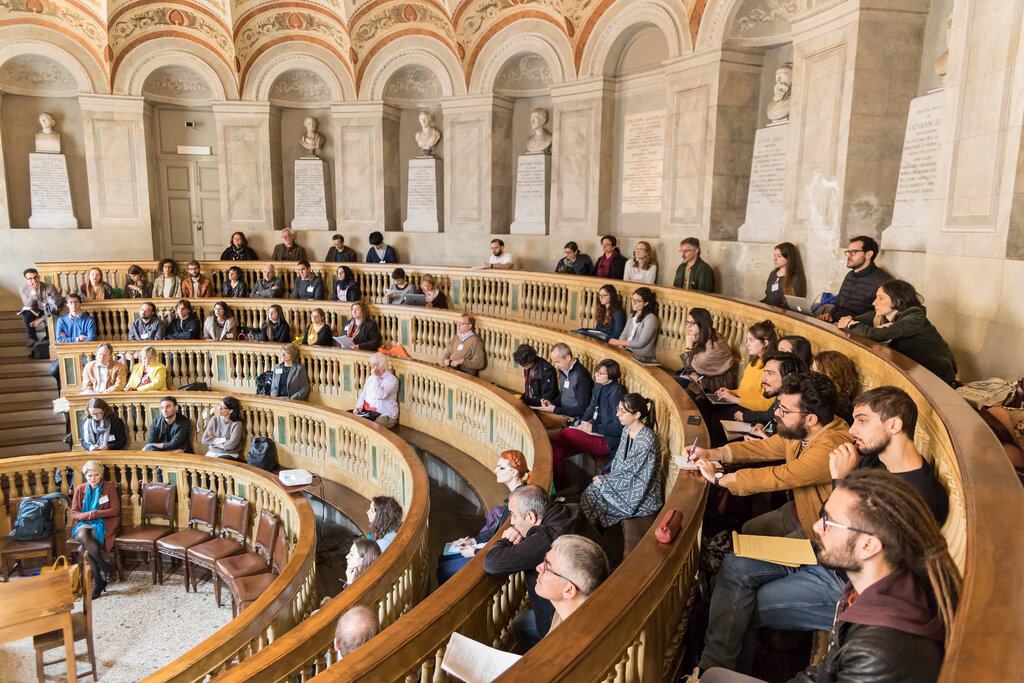
Academic Conferences are all about knowledge. The primary goal is for researchers and scholars to share new findings, debate theories, and get feedback from peers. Attendees expect to hear about cutting-edge research and network with potential collaborators. The vibe is typically formal and focused on data and discovery.
Industry Conferences, like trade shows or corporate summits, are driven by business. The objective is often to showcase new products, analyze market trends, or build business partnerships. Attendees are there to learn about the latest industry innovations, network for sales leads, or see what competitors are doing. Talks here are usually practical and focused on real-world applications and results.
Professional Development Conferences are centered on skills. The goal is to help attendees learn and grow in their careers. People come to acquire new skills, learn best practices from experts, and find inspiration. Presentations at these events should be educational, practical, and provide actionable takeaways that attendees can apply to their jobs immediately.
Different conference types have different goals. Matching your presentation to the right goal is the first step toward success.
Meeting Expectations
Once you know the type of conference, you can drill down into the specific expectations of the people involved. Both organizers and attendees have a job to do, and you can help them do it.
Organizers want to create a valuable, coherent experience. They've chosen a theme for a reason. They need speakers who can deliver high-quality content that aligns with that theme and serves their audience. They are looking for reliable experts who can make their event a success. Your proposal needs to show them you understand their vision and can be a trusted partner in achieving it.

Attendees are investing their time and money to be there. They want a return on that investment. They expect to learn something new, solve a problem they're facing, or make a connection that will help their career. They're not looking for a sales pitch or a talk that's too generic. They want relevant, engaging content that speaks directly to their needs and interests. The more you can frame your topic as a solution to their problems, the better.
Match the topics and questions to your audience’s interests.
The easiest way to understand these expectations is to do some research. Look at the conference website. Read the 'About Us' page and the mission statement. Scrutinize the conference theme and the list of topics they're interested in. Who were the keynote speakers last year? What were the most popular sessions? This information provides a clear roadmap for what the conference values and what its audience wants to learn.
What is the primary first step a potential speaker should take before writing a single slide for a conference presentation?
A large event where tech companies unveil their latest gadgets and software to the public and potential business partners is most likely what type of conference?
By understanding the conference's purpose and its audience's needs, you can choose a topic that not only gets accepted but also makes a real impact.