Concrete Fundamentals
Concrete Composition
The Recipe for Concrete
Concrete is the most widely used construction material on Earth, but what exactly is it? At its core, concrete is a composite material, a mixture of a few key ingredients. Think of it like a recipe. When you follow it correctly, you get a strong, durable product. If you get the proportions wrong, the final result can be weak and crumbly.
Concrete is a composite material composed of aggregate bonded together with a fluid cement which hardens over time.
The four main ingredients in this recipe are cement, water, aggregates, and sometimes, chemical admixtures. Let's look at each one to understand the role it plays.
Cement, the Magic Powder
The key ingredient in concrete is cement, a fine gray powder. It's important to remember that "cement" and "concrete" are not the same thing. Cement is the binder, the glue that holds everything together. The most common type is Portland cement.
When cement is mixed with water, it undergoes a chemical reaction that allows it to harden and bind the other materials into a solid mass. It’s the active ingredient, much like flour is the key binder in a cake.
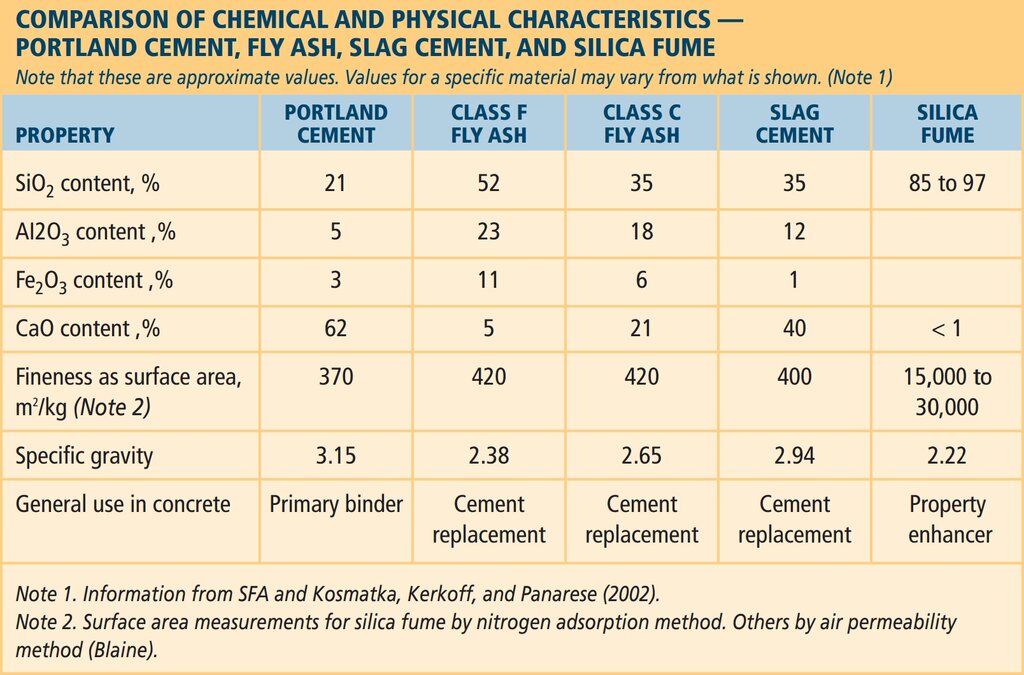
Portland cement is made by heating limestone and clay in a kiln to very high temperatures. This process creates clinkers, which are then ground into the fine powder we know as cement. The exact composition of the cement can be adjusted to produce different properties, such as faster setting times or higher strength.
Just Add Water
Water is the catalyst that kicks off the chemical reaction in cement. This process is called hydration, and it's what gives concrete its strength. It’s not simply a matter of the concrete drying out. Instead, the water molecules chemically bond with the cement particles, forming new, interlocking crystals. These crystals grow and mesh together, creating a dense, hard structure called a cement paste.
Hydration is an exothermic reaction, meaning it releases heat. This is why large concrete pours can get quite warm to the touch as they cure.
The amount of water used is critical. This is measured by the water-to-cement ratio. Too much water will create a weaker concrete with more pores, while too little will make it difficult to mix and pour.
A lower water-to-cement ratio yields a stronger, more durable concrete, whereas more water gives a freer-flowing concrete with a higher slump.
The Fillers: Aggregates
While cement and water form the paste that binds everything, they only make up about 25% of the total volume. The rest is filled with aggregates. These are inert granular materials like sand, gravel, and crushed stone.
Aggregates aren't just filler. They are essential for the strength and stability of the concrete. They provide bulk, reduce shrinkage, and make the concrete more economical. Without aggregates, you'd just have a brittle cement paste that cracks easily.
There are two main categories of aggregates:
- Fine aggregates: Typically sand. These small particles fill the tiny voids between the larger pieces.
- Coarse aggregates: Gravel or crushed stone. These larger pieces form the main structural framework of the concrete.
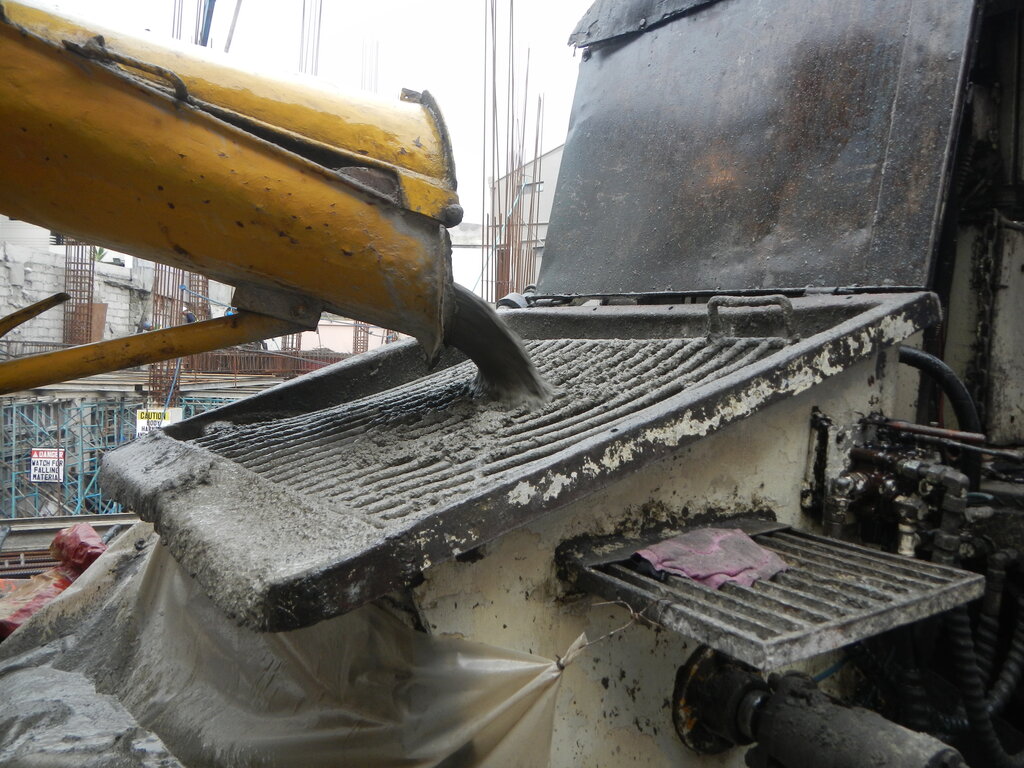
The shape, size, and texture of the aggregates are carefully selected to create a dense mix with minimal empty space, which leads to stronger concrete.
Special Ingredients: Admixtures
To fine-tune the properties of concrete for specific jobs, engineers use admixtures. These are chemicals added to the mix in small quantities before or during mixing.
Admixtures can modify concrete in many ways. Some common types include:
- Water-reducers (Plasticizers): These increase the workability of concrete without adding more water, which helps maintain its strength.
- Accelerators: These speed up the hydration process, causing the concrete to harden faster. This is useful in cold weather.
- Retarders: These slow down hydration, giving workers more time to place and finish the concrete, which is helpful in hot weather.
- Air-entraining agents: These create microscopic air bubbles in the concrete, which improves its resistance to freeze-thaw cycles.
By carefully selecting and proportioning cement, water, aggregates, and admixtures, we can design concrete mixes for almost any application, from a simple sidewalk to a massive dam.
Time to review what we've covered.
Let's check your understanding.
What is the primary role of cement in a concrete mixture?
The chemical reaction between water and cement that causes concrete to harden is called _________.
Understanding these basic components is the first step in appreciating the science behind this essential building material.