Concept to Calculation Masterclass
Understanding the Concept
The Idea Behind the Idea
Before we dive into the details, let's start with the core concept itself. Understanding this single idea is the key that unlocks everything else. It’s not just a technical term, but a way of seeing and interacting with the world. Grasping it provides a framework for solving complex problems and making sense of intricate systems.
At its heart, this concept is about understanding the whole by looking at the relationships between its parts, rather than just the parts themselves.
Think of an ecosystem. A biologist could study a single rabbit or a specific type of grass. But to truly understand the meadow, they must study how the rabbits, grass, foxes, and weather all interact. Each element influences the others in a continuous loop. This web of connections is the system.
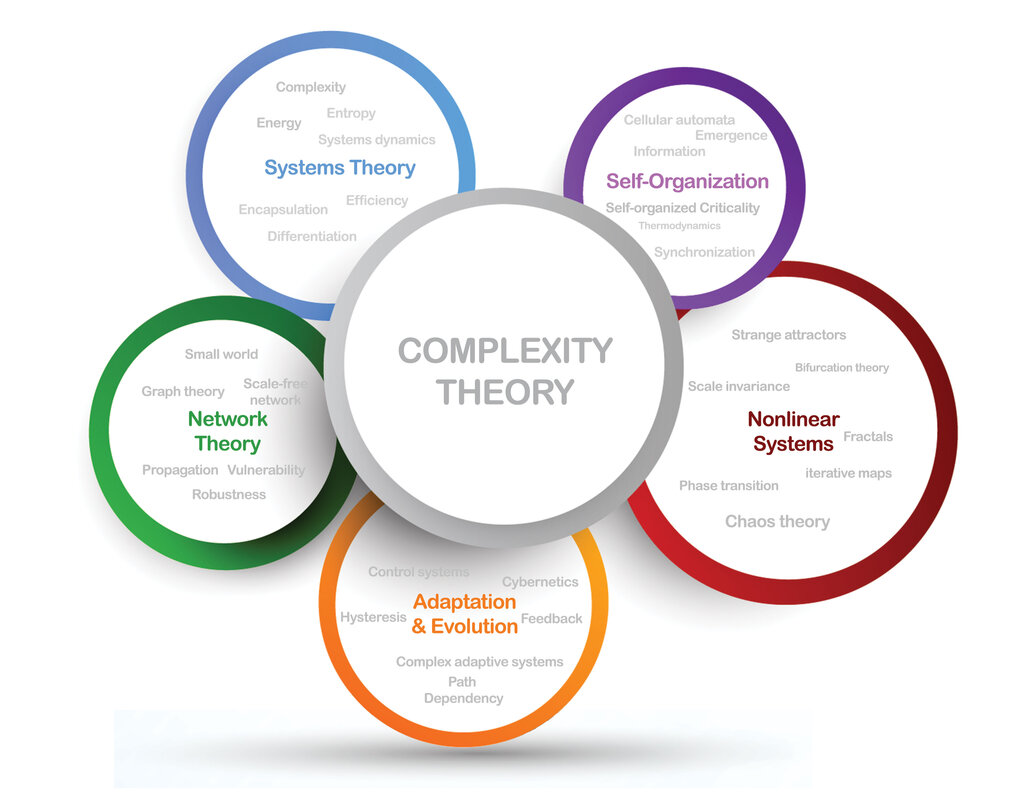
This way of thinking applies everywhere, from managing a business to designing software or even understanding social dynamics. It shifts the focus from static objects to dynamic processes and from simple cause-and-effect to complex feedback loops.
A Brief History
While the principles are timeless, the formal study of this concept emerged in the mid-20th century. Thinkers from diverse fields like biology, engineering, and economics began noticing similar patterns in the systems they studied. They realized that a cell, a factory, and an economy shared underlying principles of organization and behavior.
One of the pioneers was biologist Ludwig von Bertalanffy, who sought a "General System Theory." He argued against the traditional scientific method of breaking things down into their smallest components (reductionism). He believed that approach missed the essential properties that emerge only when the system works as a whole.
This new perspective gained traction as the world grew more interconnected and complex. The rise of computers allowed for the simulation of intricate systems, making it possible to model and test these ideas in ways that were previously impossible.
Real-World Applications
This isn't just an abstract academic theory. Its applications are concrete and widespread, often hiding in plain sight.
| Field | Application |
|---|---|
| Business Management | Viewing a company as a system of interconnected departments (sales, marketing, production) helps identify bottlenecks and improve overall efficiency. A change in one area has ripple effects throughout the organization. |
| Urban Planning | Cities are complex systems. Planners use this approach to understand how transportation, housing, and public spaces interact. Building a new highway, for instance, affects traffic patterns, housing prices, and local businesses in ways that aren't immediately obvious. |
| Software Engineering | Modern software is built from many interacting components. A systems approach helps engineers design resilient applications where the failure of one part doesn't crash the entire program. This is the core idea behind microservices architecture. |
| Environmental Science | Climate change is a classic systems problem. Scientists model the interactions between the atmosphere, oceans, ice caps, and human activity to understand feedback loops and predict long-term outcomes. |
In each case, the value comes from stepping back to see the bigger picture and the patterns of connection. It allows us to move beyond simply reacting to individual events and start designing more effective, resilient solutions for the long term.
Now, let's test your understanding of these foundational ideas.
What is the primary focus of systems thinking?
According to the text, the biologist Ludwig von Bertalanffy argued against the traditional scientific method of reductionism because it...
With this foundation in place, we are ready to explore the specific principles and tools that bring this concept to life.