Computer Vision in Smart Manufacturing
Introduction to Computer Vision
What is Computer Vision?
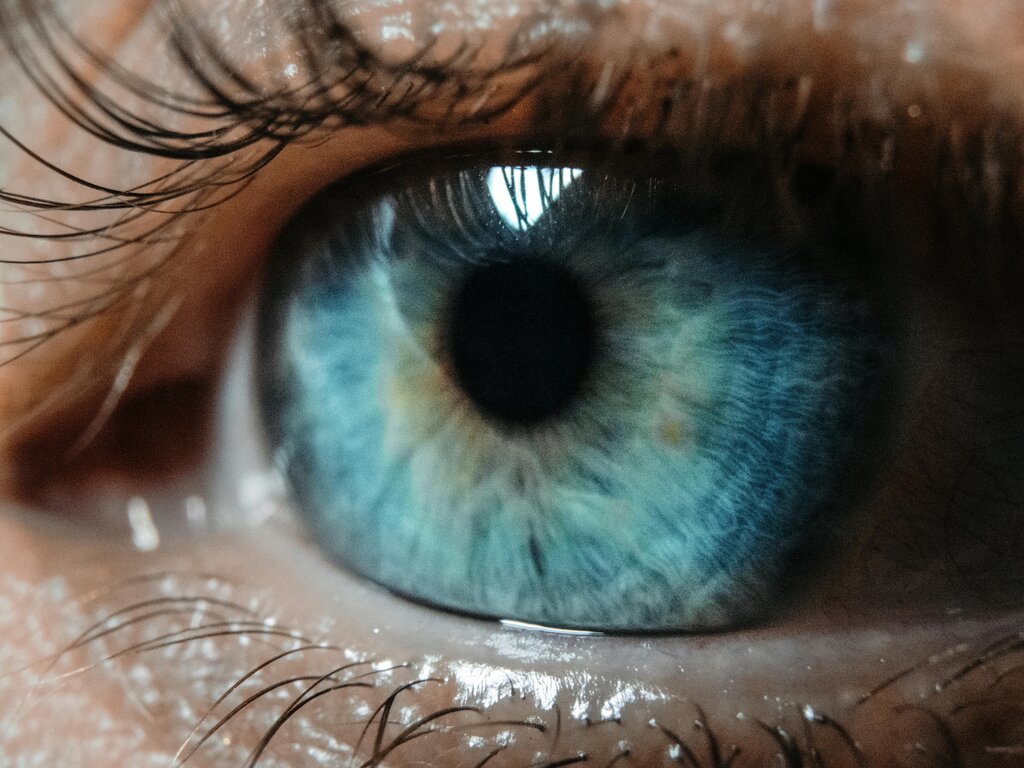
At its heart, computer vision is the science of teaching computers to see. While we open our eyes and instantly understand the world around us, computers start with a blank slate. They don't see a dog, a car, or a friend; they see a grid of numbers representing colors and brightness.
Computer vision is the field of computer science that focuses on creating digital systems that can process, analyze, and make sense of visual data (images or videos) like humans do.
The goal is to bridge that gap. We want machines to be able to take in visual input, like a photo or a live video feed, and derive meaningful information from it. Just as our brains process signals from our eyes, computer vision systems process data to identify objects, understand scenes, and react to what they're "seeing."
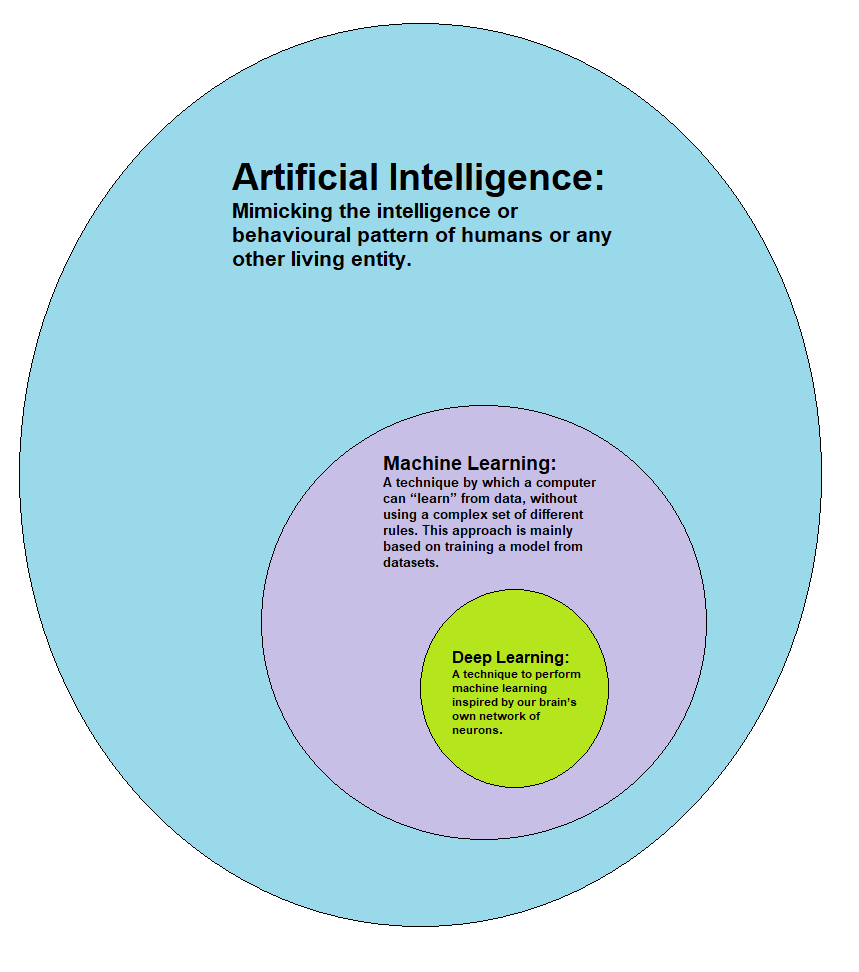
Computer vision is a major field within artificial intelligence (AI) and computer science. It sits alongside other areas like natural language processing (understanding text) and speech recognition. It's a specific kind of AI that gives machines a sense of sight.
A Quick Look Back
The idea of giving sight to machines isn't new. It started in the 1960s, born from the earliest days of AI research. Scientists wondered if they could build machines that mimicked human perception.
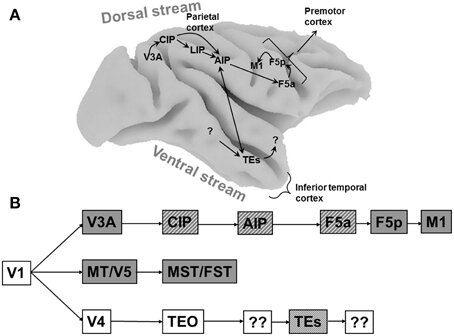
Early work was heavily inspired by biology. In 1959, neurophysiologists David Hubel and Torsten Wiesel discovered how the brain's visual cortex processes images in layers. They found that some neurons respond to simple edges and lines, while others handle more complex shapes. This layered approach became a guiding principle for computer vision algorithms.
For decades, progress was slow. Computers lacked the processing power and data needed to tackle complex visual tasks. Early systems could only recognize simple, well-defined objects in controlled environments. But with the rise of the internet, the explosion of digital photos, and massive leaps in computing power, the field has accelerated dramatically.
How Computers See
A computer vision system doesn't just "look" at a picture. It follows a structured process to turn raw visual data into useful information. This process generally has three main stages: image acquisition, processing, and analysis.
1. Image Acquisition
This is the starting point. An image or video is captured by a sensor, like a camera in a phone or a specialized industrial scanner. This image is then digitized, meaning it's converted into a format a computer can read. Essentially, the image becomes a massive grid of pixels.
Pixel
noun
The smallest controllable element of a picture represented on a screen. Each pixel has a value representing its color and brightness.
2. Image Processing
Once the image is acquired, it's time for pre-processing. The raw digital image is often noisy or has inconsistent lighting. This stage cleans up the image to make it easier for the system to analyze. Common techniques include:
- Grayscaling: Converting a color image to black and white to simplify the data.
- Noise Reduction: Smoothing out random variations in brightness or color.
- Contrast Enhancement: Adjusting the image to make features stand out more clearly.
- Edge Detection: Identifying the boundaries between different objects or regions.
These steps don't interpret the image's content; they just prepare it for the next, more complex stage.
3. Analysis & Understanding
This is where the magic happens. The processed image is fed into an algorithm that tries to make sense of it. This is the core 'vision' part of the process. The system performs tasks like:
- Classification: Deciding what the image contains (e.g., "This is a picture of a cat").
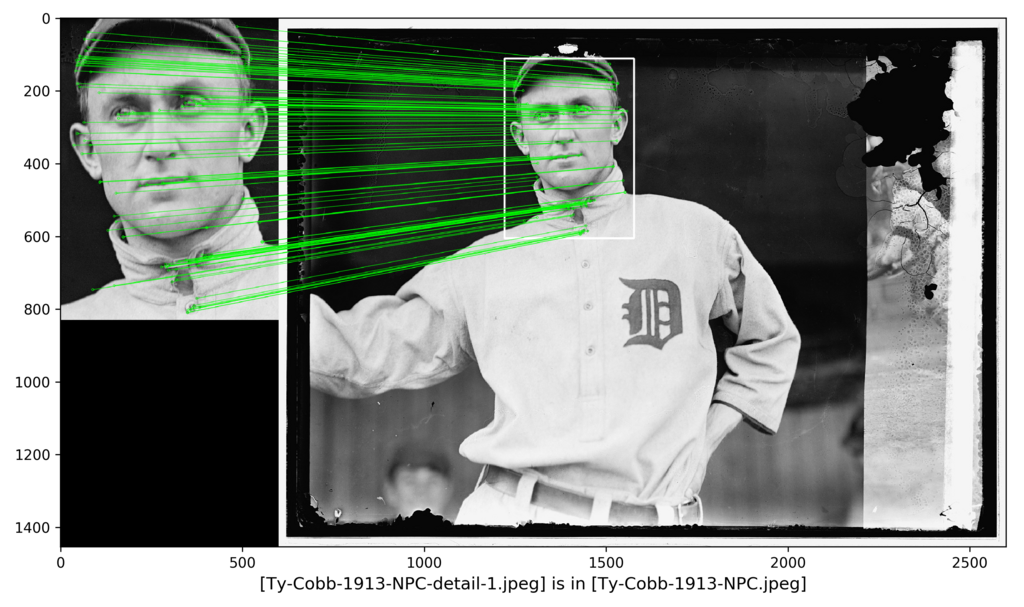
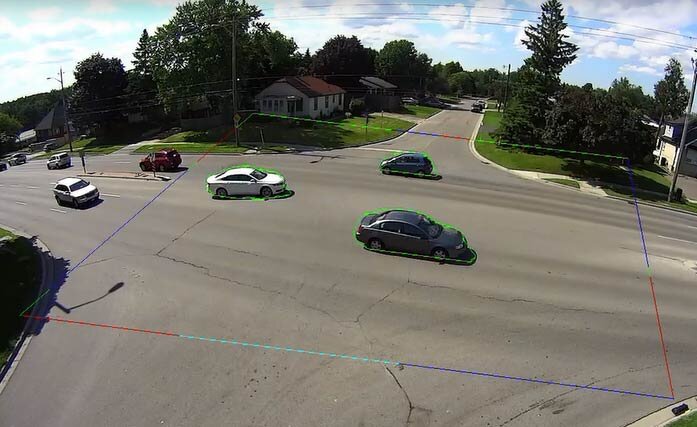
- Object Detection: Finding specific objects within an image and drawing a box around them (e.g., "The cat is in the top-left corner").
- Segmentation: Grouping pixels into meaningful regions, like separating the foreground from the background.
The system uses patterns and features it has learned from analyzing thousands or millions of other images to make these determinations.
Computer Vision in Action
Computer vision is no longer confined to research labs. It's a technology that powers countless applications we use every day, across many different industries.
| Industry | Example Application |
|---|---|
| Healthcare | Analyzing medical scans like X-rays and MRIs to detect diseases. |
| Automotive | Enabling self-driving cars to perceive roads, pedestrians, and other vehicles. |
| Retail | Powering cashier-less checkout systems that track items in a shopping cart. |
| Security | Facial recognition systems for unlocking phones or identifying individuals in a crowd. |
| Agriculture | Using drones to monitor crop health and identify areas that need water or fertilizer. |
| Entertainment | Creating special effects in movies and powering augmented reality (AR) filters on social media. |
From helping doctors diagnose illnesses faster to making our roads safer, computer vision is fundamentally changing how we interact with technology and the world. It gives machines the ability to perceive, and in doing so, opens up a new frontier of automation and intelligence.
Now that you have a foundational understanding of what computer vision is, let's test your knowledge.
What is the primary goal of computer vision?
Early research into computer vision was significantly inspired by discoveries in which field?