Computer Vision Fundamentals and Image Processing
Introduction to Computer Vision
Teaching Computers to See
When you look at a photo of a dog, you instantly recognize it. You know it's a dog, you might guess its breed, and you can tell if it's running, sleeping, or chewing on a toy. This process feels effortless, but it’s an incredibly complex task for a computer. The field dedicated to teaching computers how to understand visual information from images and videos is called computer vision.
Computer vision is the field of computer science that focuses on creating digital systems that can process, analyze, and make sense of visual data (images or videos) like humans do.
It's a branch of artificial intelligence that powers many technologies you use daily, from your phone's camera automatically focusing on faces to the systems that allow self-driving cars to navigate traffic. The goal is to replicate the power of human sight, allowing machines to perceive, interpret, and act on visual input from the real world.
The Early Days
The dream of computer vision began in the 1960s, a time when computers were massive, room-sized machines. In 1966, researchers at MIT launched the "Summer Vision Project." Their goal was incredibly ambitious: solve the problem of computer vision in a single summer. They aimed to connect a camera to a computer and have it describe what it saw.
Of course, they didn't solve it. The problem was far harder than anyone imagined. Early systems struggled with even the most basic tasks. They could find simple, straight lines in high-contrast, black-and-white images, but only under perfect lighting conditions. A slight shadow or a tilted object could throw the entire system off.
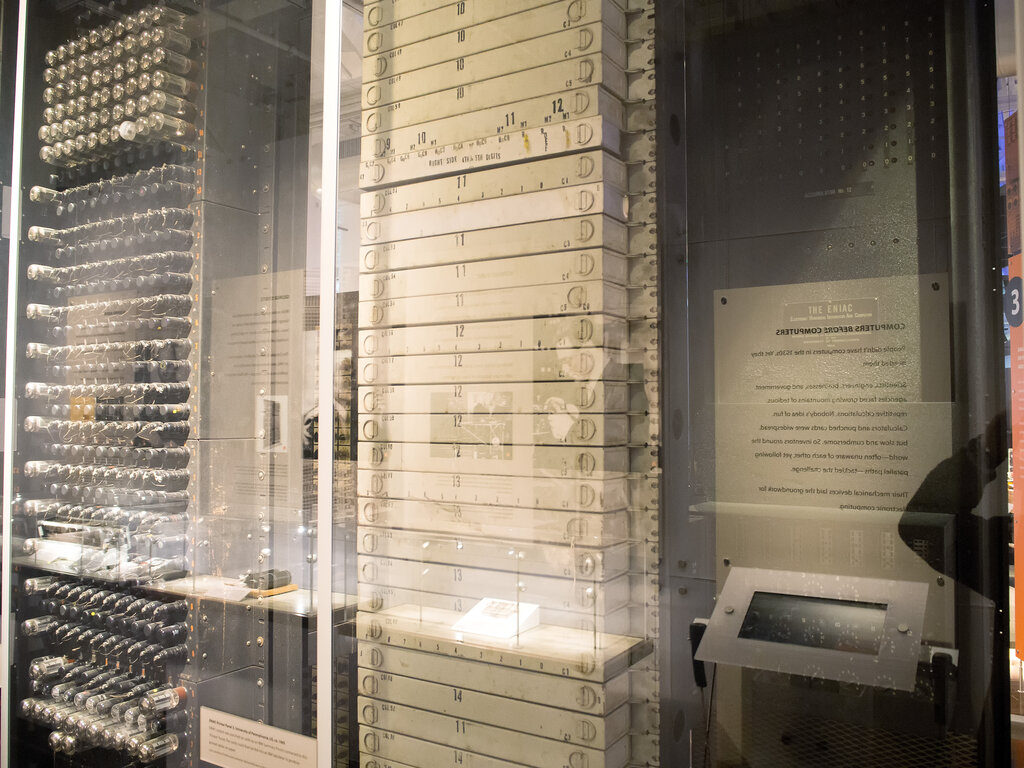
These initial steps were crucial. They established that vision wasn't just about recording pixels; it was about interpreting them. Researchers began to focus on breaking the problem down. Instead of trying to understand a whole scene at once, they focused on extracting basic features like edges and corners.
From Lines to Objects
Through the 1970s and 1980s, the field slowly matured. A key figure was David Marr, a neuroscientist who proposed a framework for how vision might work. He suggested a bottom-up approach: start with the raw pixels, identify basic components like edges and textures (a "primal sketch"), and then gradually build up to a full 3D understanding of the objects in the scene.
This approach was influential, but building systems based on it was difficult. The world is visually messy. Objects partially cover each other (occlusion), lighting changes dramatically, and the same object can look completely different from various angles. Hand-crafting rules to account for all this variety proved nearly impossible.
Despite the challenges, progress was made in specific, controlled applications. Optical Character Recognition (OCR) systems learned to read printed text, and industrial robots used vision to inspect parts on an assembly line. These were important commercial successes, but general-purpose vision remained out of reach.
The Machine Learning Revolution
The real breakthrough came in the late 1990s and 2000s with the rise of machine learning. The core idea shifted: instead of telling the computer exactly what to look for, developers created algorithms that could learn from data. If you want a program to recognize cats, you don't write rules about whiskers and pointy ears. You show it thousands of labeled pictures of cats, and the algorithm learns the patterns on its own.
A pivotal moment was the creation of the ImageNet dataset in 2009. It was a massive, free database containing millions of images, all neatly labeled by humans. ImageNet became the standard test for computer vision models. Each year, teams competed to see whose model could classify the images most accurately.
This combination of huge datasets (like ImageNet), more powerful computers (especially GPUs), and new learning algorithms (like deep neural networks) created the perfect storm for progress.
In 2012, a deep learning model called AlexNet shattered all previous records in the ImageNet competition. Its accuracy was so much higher than the runner-up that it changed the field overnight. Since then, deep learning has become the dominant approach in computer vision, leading to the rapid advances we see today.
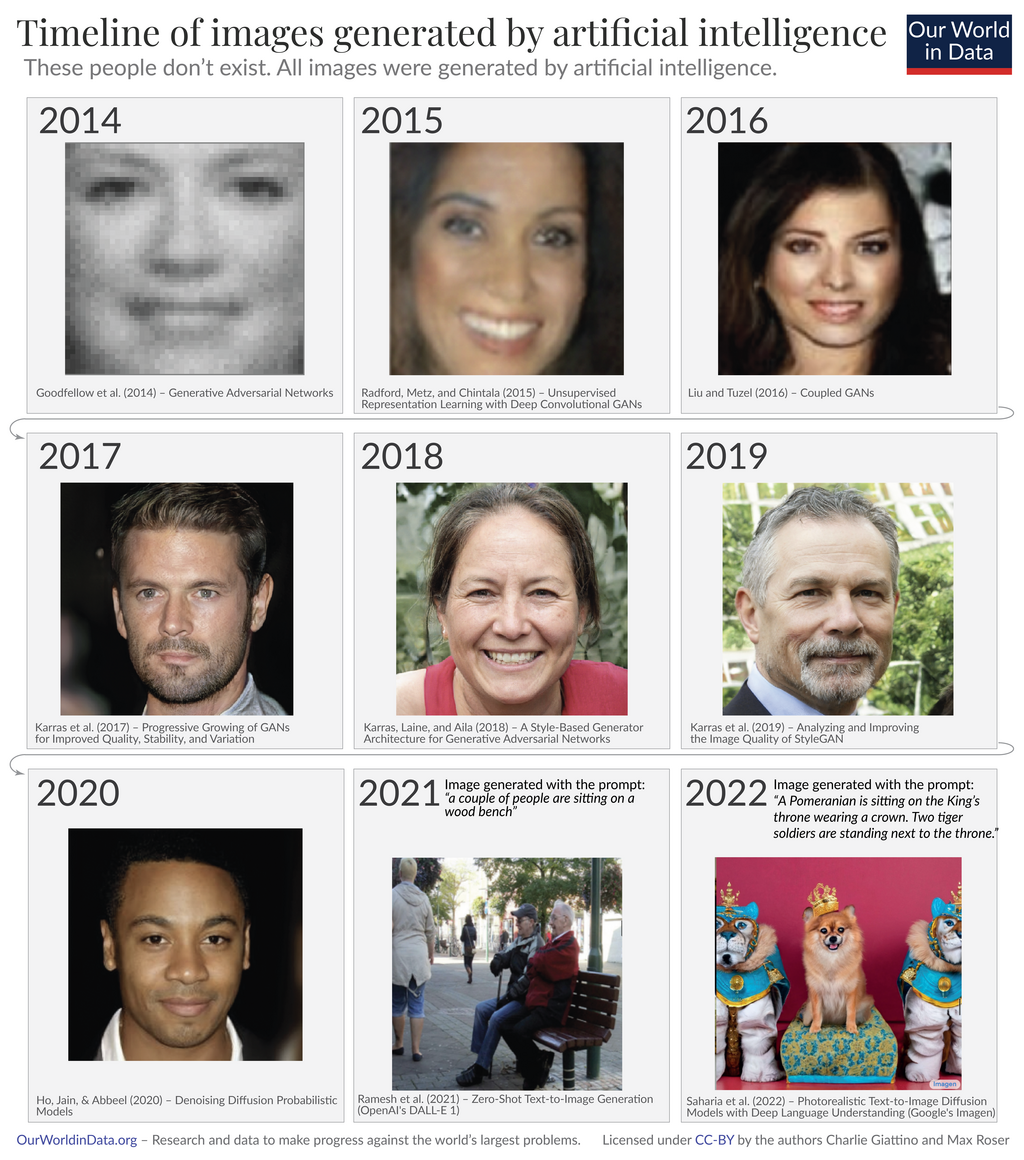
What started as a summer project has evolved into a technology that is reshaping industries, from healthcare, where it helps analyze medical scans, to retail, where it can manage inventory. The journey from identifying simple lines to understanding complex scenes has been long, but it has brought us to a point where computers are finally beginning to see.
What is the primary goal of computer vision?
The 1966 "Summer Vision Project" at MIT was an ambitious attempt to solve computer vision in a single summer.