Computer Vision for Inventory Automation
Introduction to Computer Vision
What is Computer Vision?
computer vision
noun
A field of artificial intelligence (AI) that trains computers to interpret and understand the visual world.
Humans use their eyes and brains to make sense of the world. We can instantly tell the difference between a cat and a dog, read a street sign, or recognize a friend in a crowd. Computer vision gives computers a similar ability. Using digital images from cameras and videos, machines can identify and process objects just like we do.
Computer vision is a branch of artificial intelligence (AI) that enables machines to interpret and analyze visual data from the world around them.
A Quick History
The idea isn't new. In the 1960s, scientists began trying to link cameras to computers to 'see' and describe objects. Early projects were simple, like identifying basic shapes in a controlled environment. The real breakthroughs came much later with the rise of the internet, massive amounts of digital image data, and more powerful computers.
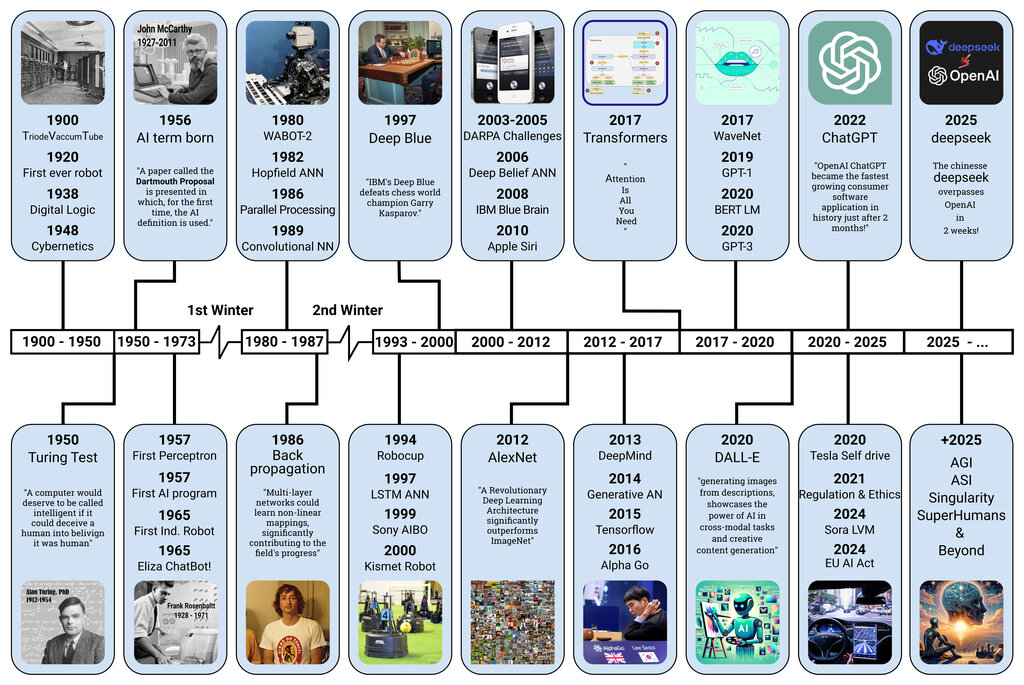
Today, deep learning models, a type of machine learning, have revolutionized the field. These models can be trained on millions of images to learn patterns and recognize objects with incredible accuracy.
How Computers See Images
To a computer, an image isn't a single picture. It's a grid of tiny dots called pixels. Each pixel has a value that represents its color and brightness. For a simple black and white image, this value could be a single number, like 0 for black and 255 for white.
For color images, each pixel is typically represented by three numbers: one for red, one for green, and one for blue (RGB). By analyzing these numerical patterns, a computer can begin to process the image. This might involve tasks like increasing contrast, sharpening edges, or identifying shapes based on changes in pixel values. This is the foundation of image processing.
From Processing to Understanding
Simply processing pixels isn't enough for a computer to understand what's in an image. That's where machine learning comes in. By showing a model thousands or millions of labeled images, it learns to recognize the complex patterns of pixels that correspond to specific objects.
For example, after seeing countless pictures labeled 'cat,' the model learns the typical features of a cat: pointy ears, whiskers, a certain facial structure. It builds a mathematical representation of what a 'cat' looks like.
Once trained, the model can apply this knowledge to new, unlabeled images. It analyzes the pixel data and makes a prediction: "Based on the patterns I've learned, I'm 95% confident this is a cat." This process of training and prediction is central to modern computer vision.
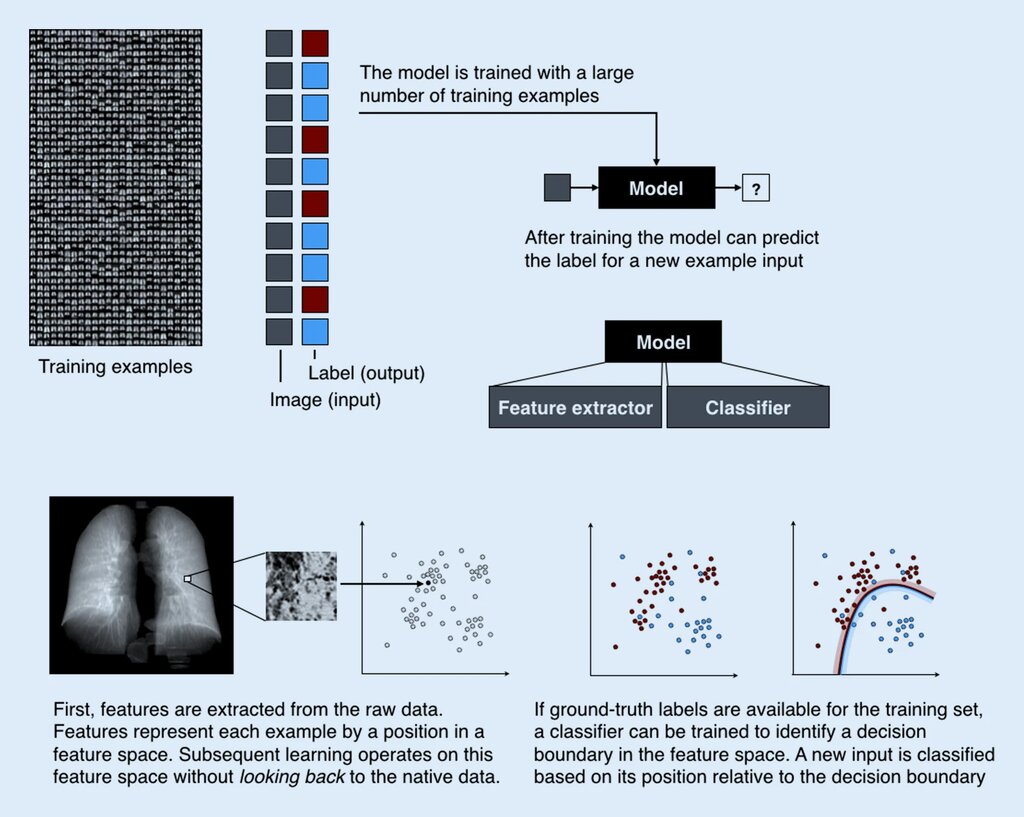
This ability powers a huge range of applications, from facial recognition on your phone and medical image analysis to systems that monitor traffic flow or check for defects on a factory assembly line.
Let's check your understanding of these core concepts.
What is the primary goal of computer vision?
How does a computer perceive a digital color image?
Computer vision is a powerful technology that combines image processing with machine learning to allow computers to see and interpret the world. By understanding these basics, you can begin to see how it can be applied to solve complex problems.