Computer Vision for Inventory Automation
Introduction to Computer Vision
What Is Computer Vision?
At its core, computer vision is the science of teaching computers to see. Just as our eyes and brain work together to make sense of the world, computer vision enables machines to capture, process, and understand visual information from images and videos.
Computer vision is the field of computer science that focuses on creating digital systems that can process, analyze, and make sense of visual data (images or videos) like humans do.
The ultimate goal is to enable computers to perform tasks that a human visual system can. This includes identifying a cat in a photo, reading a license plate, or spotting a flaw in a product on an assembly line. It's about moving beyond simply storing an image as data and instead extracting meaningful information from it.
A Brief History
The idea of computer vision began in the 1960s as an offshoot of artificial intelligence research. Early projects aimed to connect cameras to computers and have them describe what they saw. However, progress was slow. Limited computing power and a lack of large visual datasets made the task incredibly difficult.
For decades, the field was largely academic. The internet changed everything. Suddenly, massive quantities of labeled images were available for training. This data, combined with breakthroughs in machine learning and powerful new hardware, led to a revolution in the 2010s. Deep learning models, in particular, allowed computers to achieve and sometimes surpass human-level accuracy in tasks like object recognition.

How Computers 'See'
A computer doesn't see a photograph of a dog; it sees a grid of numbers. Every digital image is made up of tiny dots called pixels. For a simple black and white image, each pixel has a single value representing its brightness. For a color image, each pixel typically has three values: one for red, one for green, and one for blue (RGB).
To make sense of this sea of numbers, a computer vision system first performs basic image processing. This is like adjusting the focus on a camera. The system might increase the contrast to make objects stand out, reduce “noise” (random pixel variations), or sharpen the image. A key step is edge detection, where the algorithm finds the boundaries between different objects or regions.
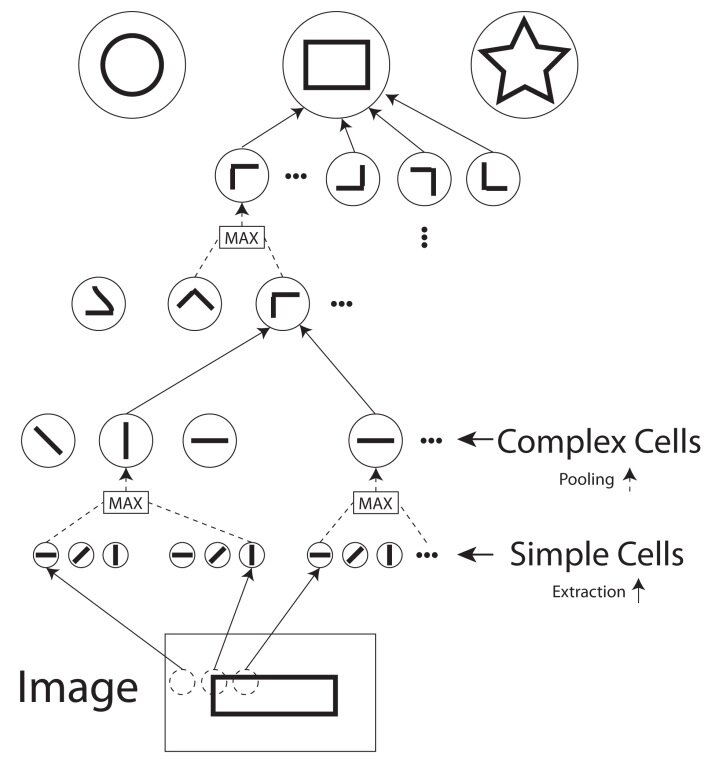
Once these basic features are identified, higher-level algorithms can begin to piece them together to recognize shapes, textures, and eventually, whole objects. It’s a process of building understanding from the simplest elements up to the most complex concepts.
Real-World Applications
Computer vision is no longer a futuristic concept; it's a technology we interact with every day. It's the driving force behind many modern innovations.
- Autonomous Vehicles: Self-driving cars use computer vision to identify pedestrians, traffic lights, lane markings, and other vehicles to navigate safely.
- Healthcare: In medical imaging, it helps doctors analyze X-rays, MRIs, and CT scans to detect tumors or other abnormalities more quickly and accurately.
- Security: Facial recognition systems unlock our phones and are used in surveillance to identify individuals in a crowd.
- Manufacturing: On assembly lines, cameras with computer vision systems perform quality control, spotting defects in products that might be missed by the human eye.
Let's review these core concepts.
What is the ultimate goal of computer vision?
How does a computer perceive a digital color image?
Understanding these fundamentals—what computer vision is, where it came from, and how it works at a basic level—is the first step to appreciating its power to transform industries.