Computer Vision for Inventory Automation
Introduction to Computer Vision
What is Computer Vision?
At its core, computer vision is the science of teaching computers to see. Just as our eyes and brain work together to understand the visual world, computer vision enables machines to interpret and make sense of images and videos.
Computer vision is the field of computer science that focuses on creating digital systems that can process, analyze, and make sense of visual data (images or videos) like humans do.
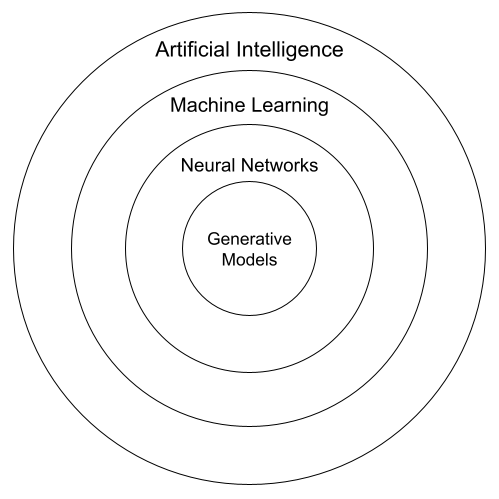
It’s a subfield of artificial intelligence (AI) and is closely related to machine learning. An AI might be able to think, but computer vision gives it a pair of eyes. This relationship is often shown as a set of nested concepts, where computer vision is a specialized part of the broader field of AI.
From identifying faces in photos to guiding self-driving cars, computer vision powers a huge range of modern technology. It has applications in healthcare for analyzing medical scans, in retail for managing inventory, and in security for surveillance. The goal is always the same: to extract meaningful information from visual inputs to automate a task or assist a human.
A Quick Look Back
The dream of giving machines sight began in the 1960s, alongside the birth of artificial intelligence. Early researchers believed it would be a relatively simple problem to solve. They quickly discovered it was incredibly complex.
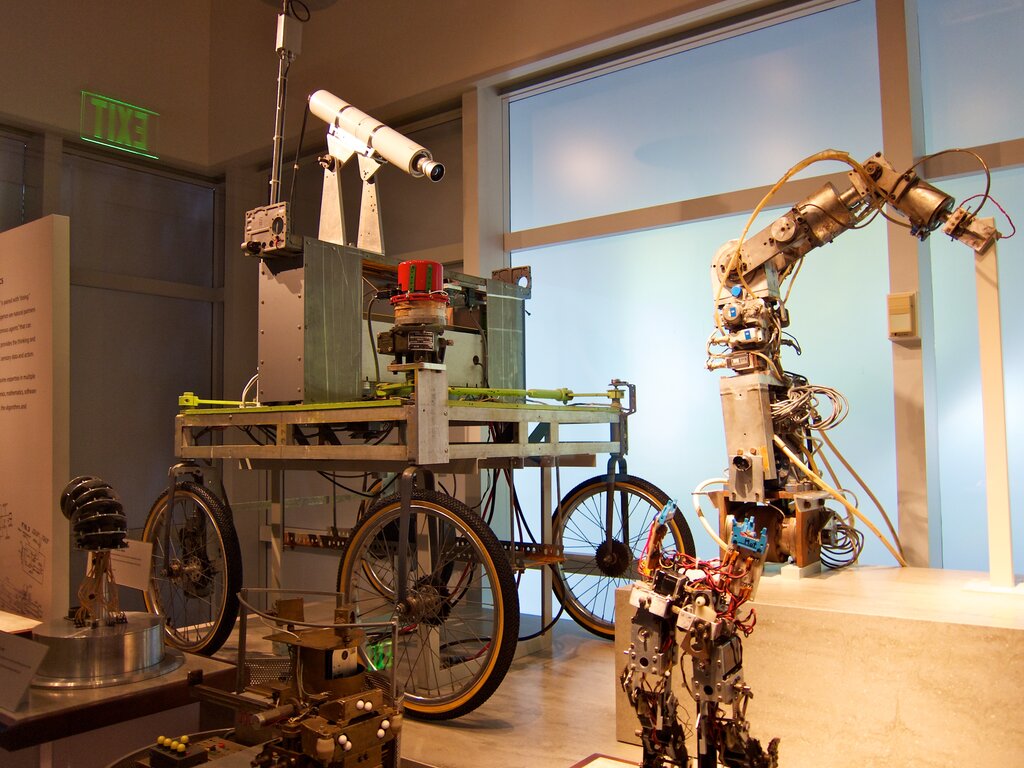
Initial projects focused on recognizing simple, block-like objects in controlled environments. One pioneering project was the Stanford Cart, a mobile robot that could navigate a room by taking pictures and analyzing them to avoid obstacles. It was slow and clumsy, taking hours to move a few meters, but it was a crucial first step.
Over the decades, progress was driven by better algorithms, more powerful computers, and the availability of vast amounts of digital image data. Milestones like the development of Optical Character Recognition (OCR) for reading text and the ability to detect faces in digital cameras were major breakthroughs that brought computer vision into everyday life.
How Computers See
Humans see light, color, and shapes effortlessly. For a computer, an image is nothing more than a grid of numbers. Each cell in this grid is called a pixel, which is the smallest unit of a digital image.
pixel
noun
Short for 'picture element,' it is the smallest controllable element of a picture represented on the screen.
In a simple black-and-white image, each pixel has a single value representing its brightness, typically from 0 (black) to 255 (white). All the shades of gray fall in between. So, a computer sees a grayscale photo as a big matrix of numbers.
Color images are a bit more complex. They are typically represented using the RGB color model. Each pixel has three values: one for red, one for green, and one for blue. By mixing different amounts of these three primary colors, any color can be created. So, for a color image, the computer sees three separate grids of numbers stacked on top of each other, one for each color channel.
Basic Image Processing
Once an image is represented as numbers, we can use math to manipulate it. This is the foundation of image processing. Even simple operations can have a powerful effect.
For example, to convert a color image to grayscale, we can average the red, green, and blue values for each pixel. To make an image brighter, we can add a constant value to every pixel. To increase contrast, we can stretch the range of pixel values, making the darks darker and the brights brighter.
These fundamental pixel operations are the building blocks for more advanced techniques. Before a computer can recognize an object, it often needs to preprocess the image by adjusting brightness, removing noise, or sharpening edges. This pipeline of processing steps helps turn raw pixel data into useful information.
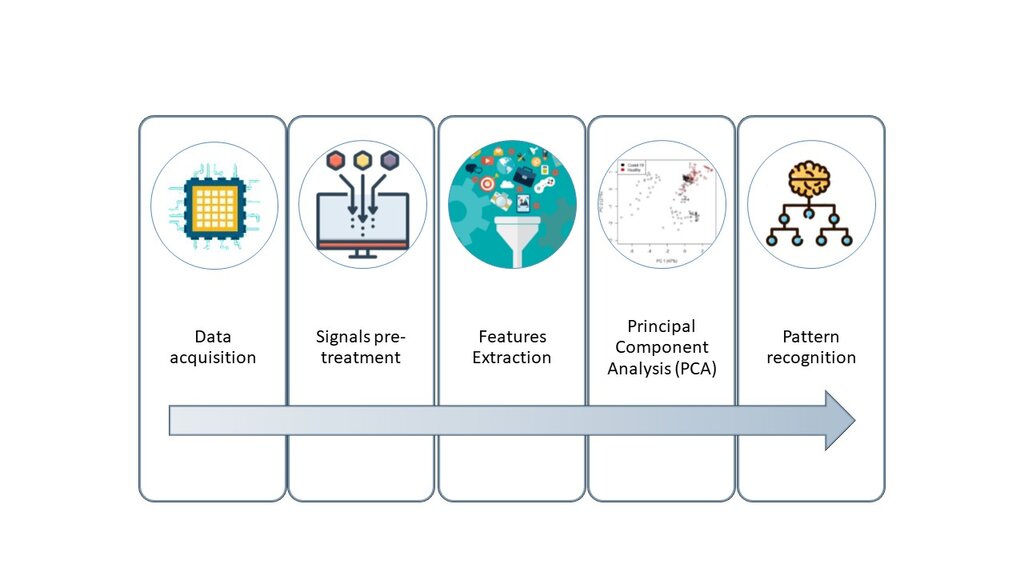
At its heart, computer vision starts with simple math. By changing the numbers that represent pixels, we change what the image looks like, making it easier for algorithms to 'understand' the content.
Now that you understand the basics of what computer vision is and how computers see images, let's test your knowledge.
What is the primary goal of computer vision?
How is computer vision related to artificial intelligence (AI)?
Understanding these core concepts is the first step toward exploring the more advanced methods that allow computers to perform complex visual tasks.