Computer Vision for Inventory Automation
Introduction to Computer Vision
Teaching Computers to See
Humans see the world effortlessly. We recognize a friend in a crowd, read a street sign, and know a coffee cup is a coffee cup. For computers, this is incredibly difficult. Computer vision is a field of artificial intelligence that trains computers to interpret and understand the visual world. Using digital images from cameras and videos, machines can identify and classify objects, and then react to what they “see.”
Computer vision is the field of computer science that focuses on creating digital systems that can process, analyze, and make sense of visual data (images or videos) like humans do.
Think of it like this: instead of just storing an image as a grid of colored dots, a computer vision system can understand that the image contains a person, a car, and a tree. This ability to extract meaning from visual data has powerful applications, especially in areas like inventory management, where keeping accurate track of thousands of items is a constant challenge.
From Pixels to Patterns
How does a computer go from a meaningless collection of pixels to recognizing a specific product on a shelf? It starts with basic image processing. A digital image is just a massive grid of numbers, where each number represents the color and brightness of a single pixel. Early processing steps might involve adjusting brightness and contrast or converting an image to grayscale to simplify the data.
Once the image is prepped, the system looks for features. A feature is an interesting or significant part of an image. Instead of looking at every single pixel, the computer identifies key patterns like edges, corners, and textures. For example, the sharp lines forming a box or the circular outline of a bottle are strong features. By focusing on these, the system can piece together the shapes of objects without getting bogged down in tiny details.
This process of identifying features is crucial. It’s how the system distinguishes one item from another. The unique combination of edges, colors, and textures from a can of soda is different from that of a bag of chips. These collections of features act like a fingerprint for each object.
Learning to Recognize
Extracting features is only half the battle. The computer still needs to learn what those features represent. This is where machine learning comes in. A computer vision model is “trained” by showing it thousands or even millions of labeled images. For inventory management, this might mean feeding it countless pictures of a specific brand of cereal from different angles and in various lighting conditions, all labeled “Brand X Cereal.”
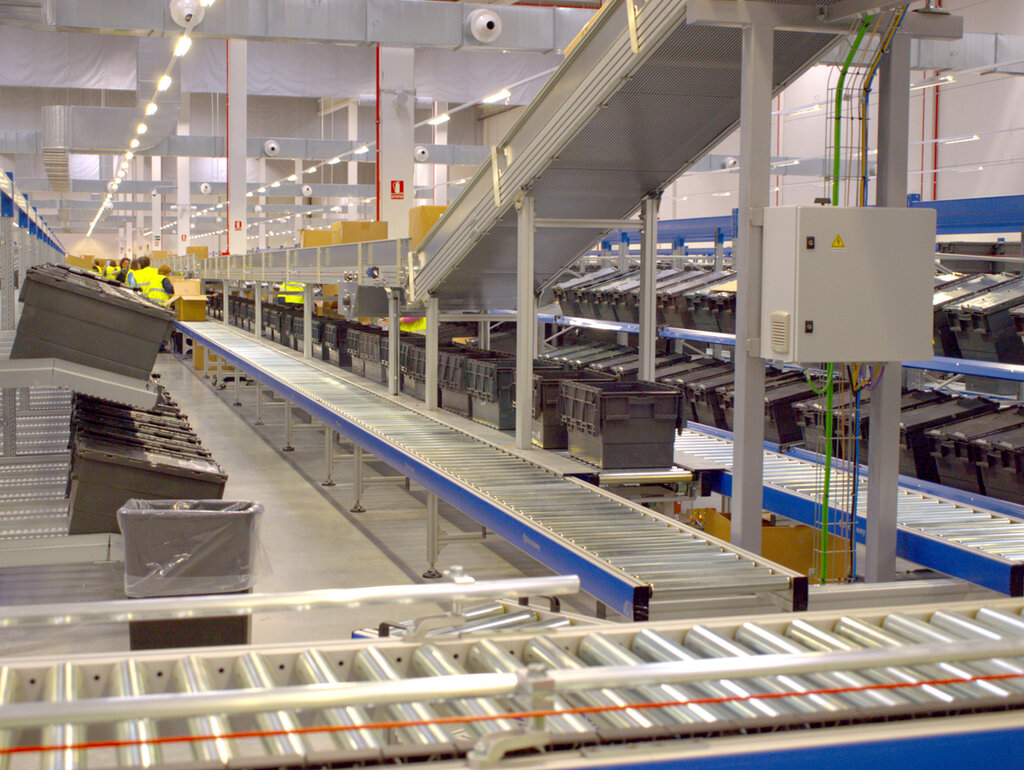
Through this training, the model learns to associate specific sets of features with a particular label. Over time, it gets incredibly good at recognizing that item. When it sees a new, unlabeled image from a warehouse camera, it can analyze the features and confidently say, “That’s Brand X Cereal.”
This is a huge leap from traditional methods like barcode scanning. Instead of needing a clear, close-up scan of a label, computer vision can identify products from a distance, even if they're partially obscured.
| Method | How It Works | Limitations |
|---|---|---|
| Manual Counting | A person physically counts each item. | Slow, prone to human error, labor-intensive. |
| Barcode Scanning | A scanner reads a unique barcode on each item. | Requires line-of-sight, damaged labels cause failure. |
| Computer Vision | Cameras identify objects based on visual features. | Can count multiple items at once, from a distance. |
By deploying cameras in a warehouse or retail store, companies can automate tasks that were once slow and error-prone. A computer vision system can continuously monitor shelves, automatically detect when stock is low, spot misplaced items, and perform cycle counts without disrupting operations. This provides a real-time, accurate picture of what's actually on the shelf, not just what a database thinks should be there.
Ready to check your understanding?
What is the primary goal of computer vision?
In computer vision, what are "features"?
Computer vision gives machines a sense of sight, transforming how businesses manage physical assets. By processing images to find features and using machine learning to recognize objects, this technology provides an automated and accurate way to track inventory.