Computer Vision for Inventory Automation
Introduction to Computer Vision
What Computers See
Humans understand the world largely through sight. We recognize faces, read text, and navigate our surroundings without a second thought. Computer vision is a field of artificial intelligence that gives computers a similar ability to interpret and understand visual information from images and videos.
computer vision
noun
A field of artificial intelligence that trains computers to interpret and understand the visual world from digital images or videos.
Instead of just storing an image as a grid of pixels, a computer with vision capabilities can identify objects, people, and patterns within it. This allows machines to perform tasks that once required human eyes, opening up possibilities across countless industries.
Vision in Action
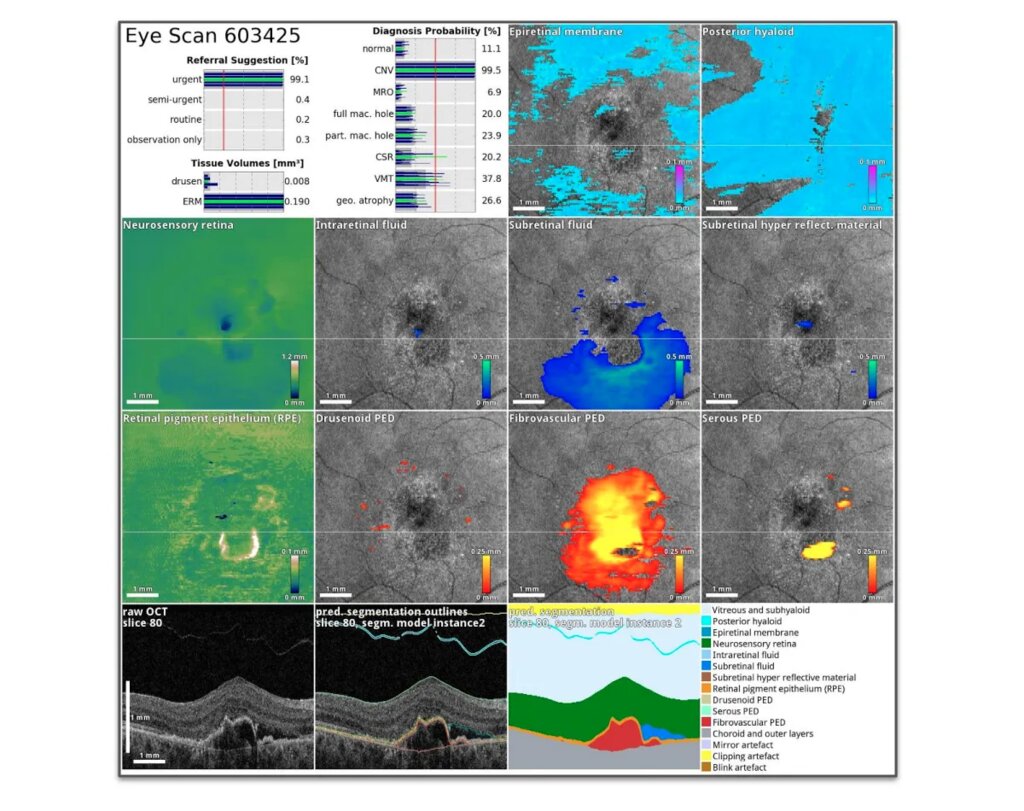
Computer vision isn't a futuristic concept; it's already integrated into many parts of our daily lives. In healthcare, it helps doctors analyze medical scans like X-rays and MRIs, spotting signs of disease that might be missed by the human eye.
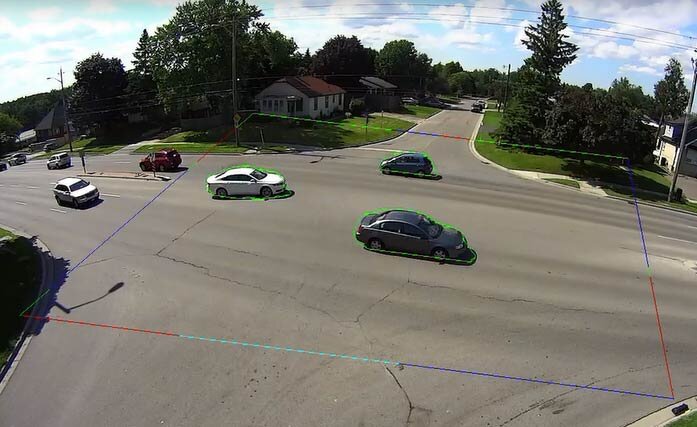
On our roads, it's the core technology behind self-driving cars, enabling them to identify pedestrians, other vehicles, and traffic signs to navigate safely. In agriculture, drones equipped with cameras can monitor vast fields, assessing crop health and identifying areas that need water or fertilizer.
From unlocking your phone with your face to suggesting tags for your photos, computer vision applications are becoming more common every day.
A Smarter Stockroom
One of the most powerful applications of computer vision is in inventory management. Traditionally, tracking stock has been a manual, time-consuming process. Employees walk through warehouses with clipboards or barcode scanners, counting items one by one. This method is slow, prone to human error, and provides only a snapshot of inventory at a single point in time.
A simple miscount can lead to stockouts, which mean lost sales, or overstocking, which ties up capital in unsold goods.
Computer vision changes the game completely. By installing cameras in warehouses, stockrooms, or on retail shelves, a system can automatically monitor inventory levels around the clock.
Computer vision in inventory management uses cameras and AI to automatically monitor shelf stock levels, detect when products are running low, and trigger reordering systems.
Instead of relying on periodic manual counts, businesses get a continuous, live view of what they have and where it is. The system can count items, identify specific products, and even spot misplaced goods, transforming inventory management from a reactive chore into a proactive, data-driven process.
The Benefits of Automation
Integrating computer vision into inventory systems delivers several key advantages. The most immediate is a dramatic increase in accuracy. Automated systems don't get tired or distracted, virtually eliminating the human errors that plague manual counts.
| Benefit | Traditional Method | Computer Vision Method |
|---|---|---|
| Accuracy | Prone to human error from manual counts. | Highly accurate, reducing miscounts significantly. |
| Tracking | Periodic updates (daily, weekly). | Real-time, continuous monitoring. |
| Efficiency | Labor-intensive and time-consuming. | Automated, freeing up staff for other tasks. |
| Insights | Limited to stock numbers. | Provides data on product placement and movement. |
The ability to track inventory in real time is another major benefit. Managers no longer have to wait for the next stock check to know what’s available. They can see current levels instantly, allowing for smarter and faster decisions about reordering, promotions, and logistics.
Finally, this automation boosts overall efficiency. Employees are freed from the tedious task of counting and can focus on more valuable activities, such as assisting customers or optimizing store layouts. The system handles the repetitive work, leading to a more productive and cost-effective operation.
Now that you understand the what and why of computer vision, we can explore how these systems learn to see.