Computer Vision for Inventory Automation
Introduction to Computer Vision
What Computers See
Humans see the world and understand it instantly. We can spot a friend in a crowd, read a sign from a distance, or know if a banana is ripe just by looking at it. Computer vision is a field of artificial intelligence (AI) that tries to give computers that same ability—to see and interpret the visual world.
The goal is simple: teach machines to process images and videos in the same way humans do, and then use that understanding to automate tasks.
Instead of just storing an image as a grid of colored dots, a computer with vision capabilities can identify objects, people, and text within it. It can understand the content of a picture and make decisions based on what it sees.
From Pixels to Patterns
How does a computer learn to see? It's a multi-step process that starts with the basics of what makes up an image: pixels. The first task is often to simplify the visual information to make it easier to analyze. This is called image processing.
For example, a system might convert a color image to grayscale. This removes color complexity and allows the machine to focus on shapes and textures, which are defined by differences in brightness. It can also adjust contrast to make objects stand out more clearly from their background.
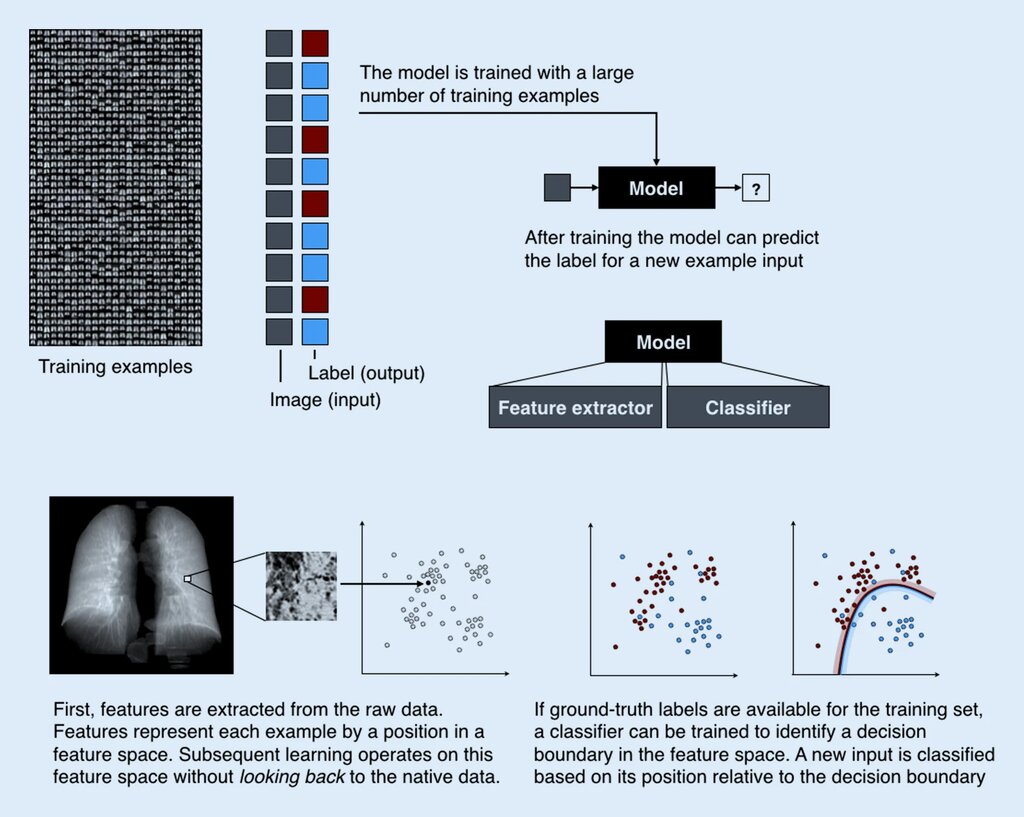
After initial processing, the computer needs to find important information. It does this through feature extraction. A feature is a distinct, measurable characteristic of the image. Think of it like a landmark.
Instead of looking at millions of individual pixels, the system looks for meaningful patterns like:
- Edges: The boundary between an object and the background.
- Corners: Where two edges meet.
- Color: The specific shade of an object.
- Texture: The surface pattern of an object, like the weave of fabric or the grain of wood.
By extracting these features, the computer converts a complex image into a simpler set of numerical data that it can work with.
Making Sense of the Data
This is where machine learning (ML) comes in. Once an image is broken down into a set of features, an ML model can be trained to recognize patterns in that data. We show the model thousands of examples and tell it what's in them. For instance, we might feed it countless images of apples, each with different features of color, shape, and texture. Eventually, the model learns to associate a specific combination of features with the label "apple."
This training enables the model to perform key tasks like:
- Image Classification: Looking at an image and assigning it a label (e.g., "This is a photo of a cat.").
- Object Detection: Identifying where specific objects are located within an image and drawing a box around them.
Computer Vision in the Warehouse
These concepts are incredibly useful in managing inventory. Traditionally, tracking what's in a warehouse or on a store shelf is a manual, time-consuming process that's prone to error. Computer vision automates it.
Imagine cameras installed above warehouse shelves. A computer vision system can continuously scan the shelves and use object detection to identify and count products. It can tell the difference between a box of cereal and a bottle of juice. It can also spot when a shelf is empty and automatically trigger a reorder.
Computer vision in inventory management uses cameras and AI to automatically monitor shelf stock levels, detect when products are running low, and trigger reordering systems.
This technology doesn't just count items. It can also be used for quality control, like spotting damaged packaging on a conveyor belt. It can read barcodes and QR codes faster and more accurately than handheld scanners. By providing real-time, accurate data, computer vision helps businesses reduce waste, prevent stockouts, and operate much more efficiently.
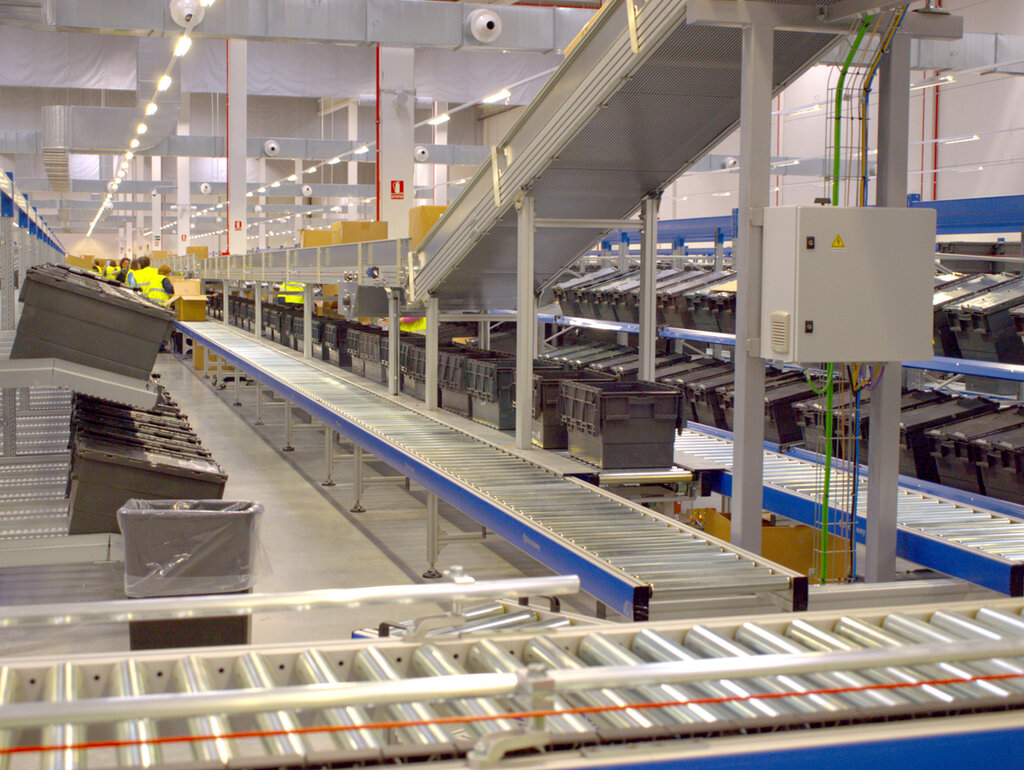
This automation frees up human workers from tedious manual counts, allowing them to focus on more complex tasks. It's a powerful example of how teaching computers to see can transform a core business process.
Let's check your understanding of these fundamental concepts.
What is the primary goal of computer vision?
In the context of computer vision, what is a 'feature'?