Computer Vision for Inventory Automation
Introduction to Computer Vision
Teaching Computers to See
Humans see the world effortlessly. We recognize a friend in a crowd, read a street sign, and admire a sunset without a second thought. But for a computer, a picture is just a massive grid of numbers. Computer vision is the field of artificial intelligence that trains computers to interpret and understand the visual world. It aims to give machines a human-like ability to see, process, and make sense of images and videos.
Computer Vision
noun
A field of artificial intelligence that trains computers to interpret and understand information from digital images, videos, and other visual inputs.
The idea isn't new. Researchers began exploring these concepts in the 1960s, trying to mimic the human visual system. Early projects were ambitious but limited by computing power. An early attempt in 1966 involved a student trying to connect a camera to a computer and have it describe what it saw. The task proved immensely difficult. For decades, progress was slow, confined to simple tasks like recognizing printed characters or finding basic shapes.
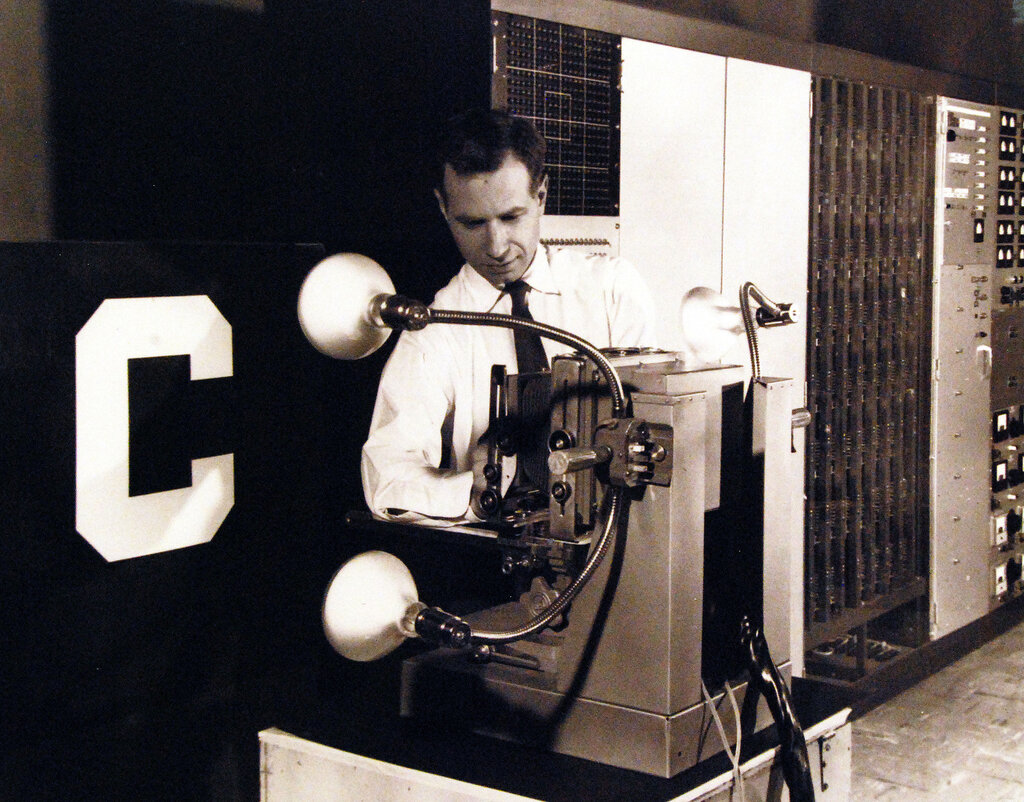
The game changed with the rise of the internet, massive datasets of images, and powerful processors. Today, computer vision is one of the most exciting and widespread fields in AI, powering everything from your phone’s camera to complex medical diagnostics.
How a Computer Sees an Image
So how does a machine actually “see” a photo of a cat? It starts with the most basic unit of a digital image: the pixel.
Pixel
noun
The smallest controllable element of a picture represented on a screen. Each pixel has its own color and brightness.
A computer breaks down an image into a grid of pixels. For a simple black-and-white image, each pixel is assigned a single number, typically from 0 (black) to 255 (white), representing its brightness.
A color image is a bit more complex. It's usually represented as three separate grids, or channels, stacked on top of each other. These are the Red, Green, and Blue (RGB) channels. Each pixel has three values, one for the intensity of red, one for green, and one for blue. By mixing these three primary colors, any color can be created. For the computer, your vibrant vacation photo is just a huge array of numbers.
This process of converting an image into numerical data is the first step of image processing. Once the image is in a language the computer understands, it can start performing operations on it, like adjusting brightness, applying filters, or sharpening edges. These basic manipulations are the building blocks for more advanced computer vision tasks.
Recognizing What's in the Picture
Seeing the numbers is one thing; understanding what they represent is another. This is where machine learning models come in. By training on millions of labeled images, these models learn to identify patterns in the pixel data that correspond to real-world objects.
Two of the most common tasks in computer vision are object detection and image recognition.
Image Recognition (or Classification): This tells you what is in an image. For example, the system looks at a photo and outputs a single label: "cat."
Object Detection: This is more specific. It tells you what is in an image and where it is. The system would not only identify a "cat" but also draw a bounding box around it.
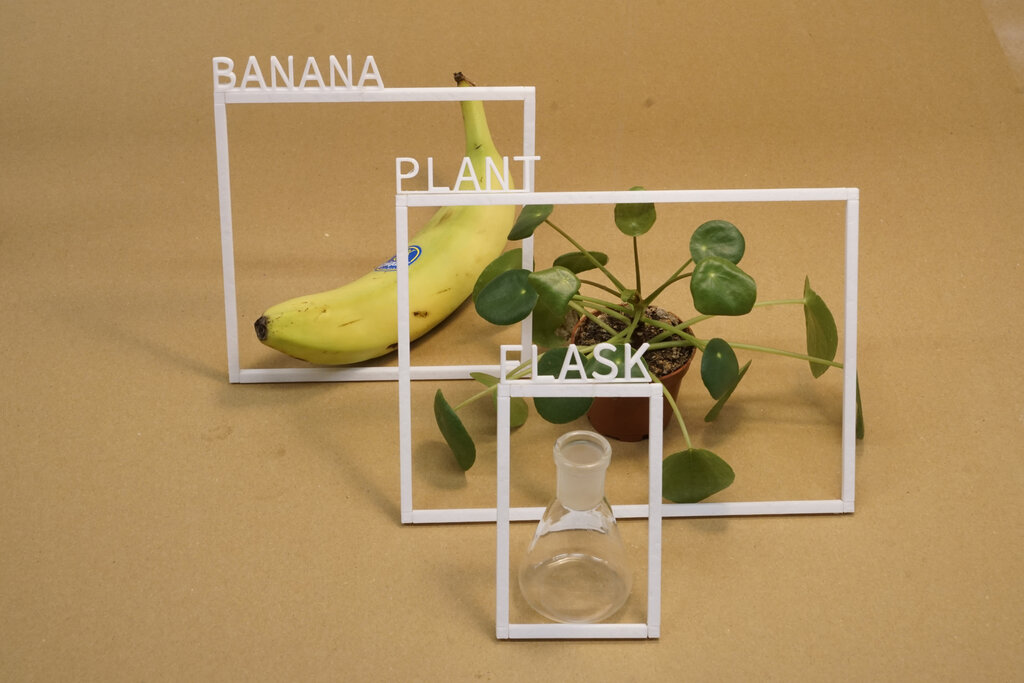
Think of it this way: image recognition gives you the main subject of a postcard. Object detection gives you a list of every interesting thing in the postcard and points them out to you.
These capabilities are powered by complex neural networks that find features in the images. Low-level features might be simple edges or colors. Higher-level features combine these to find more complex shapes, like eyes, wheels, or leaves. By analyzing layers of these features, a computer can finally identify the objects we see so easily.
What is the primary goal of computer vision?
A standard color digital image is typically represented by three channels. These channels correspond to the intensities of which three colors?
From its early theoretical days to its powerful modern applications, computer vision is fundamentally about teaching machines to see. By translating images into numbers and using AI to find patterns, we can unlock powerful new ways to interact with the world.