Computer Vision for Inventory Automation
Introduction to Computer Vision
What is Computer Vision?
At its core, computer vision is a field of artificial intelligence that trains computers to interpret and understand the visual world. Using digital images from cameras and videos, machines can identify and locate objects, then react to what they “see.” It’s like giving computers a sense of sight.
Computer vision
noun
A field of artificial intelligence that enables computers to derive meaningful information from digital images, videos, and other visual inputs.
Think of it like teaching a computer to play a game of “I Spy.” To win, the computer needs to do more than just see a picture. It must process the image, identify objects within it (like a “book” or a “pen”), and understand the scene. This process allows technology to perform tasks that once required human vision, from unlocking your phone with your face to guiding self-driving cars.
A Smarter Way to Track Inventory
Inventory management has traditionally relied on manual counts and barcode scans. These methods can be slow, prone to human error, and only provide a snapshot in time. Computer vision changes the game by offering a continuous, automated way to monitor stock.
Unlike traditional barcode scanning or manual counting methods, computer vision automates these processes, offering greater accuracy and efficiency.
Imagine cameras installed in a warehouse or on retail shelves. These cameras constantly watch the inventory. The computer vision system analyzes the video feed to recognize products, count them, and spot when an item is running low or is in the wrong place. This information is updated in real-time, giving businesses an accurate, live view of their stock.
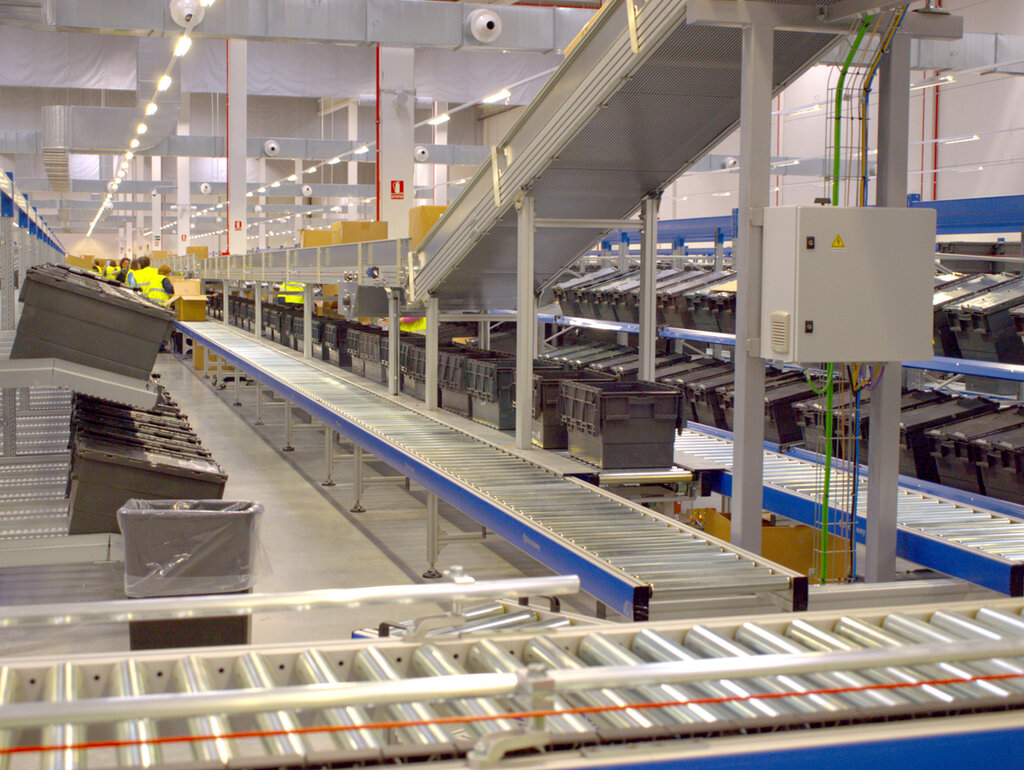
This automated approach means fewer errors, less time spent on manual counts, and quicker responses to low stock levels. It helps prevent both overstocking and stockouts, making the entire supply chain more efficient.
How Does a Computer 'See'?
A computer doesn't see the world in pictures, but in data. For a computer vision system to work, it must translate a visual image into numerical information it can understand. This process typically involves a few key steps.
- Image Processing: First, the image is prepared for analysis. Computers see images as a grid of pixels, where each pixel has a numerical value representing its color and brightness.
To simplify things, a color image is often converted to grayscale. This reduces the amount of data the computer has to work with, as each pixel now has just one value (its brightness) instead of three (red, green, and blue). Other adjustments, like improving contrast, can help make important details stand out.