Computer Vision for Inventory Automation
Introduction to Computer Vision
What is Computer Vision?
Computer vision is a field of artificial intelligence that trains computers to interpret and understand the visual world. Using digital images from cameras, videos, and deep learning models, machines can accurately identify and classify objects, and then react to what they “see.”
Think of it like teaching a child to recognize a cat. You show them pictures and real cats, pointing out features like whiskers, pointy ears, and a tail. After enough examples, the child learns to identify cats they've never seen before. Computer vision does something similar, but with algorithms and vast amounts of data. The ultimate goal is to enable computers to perform tasks that typically require human vision.
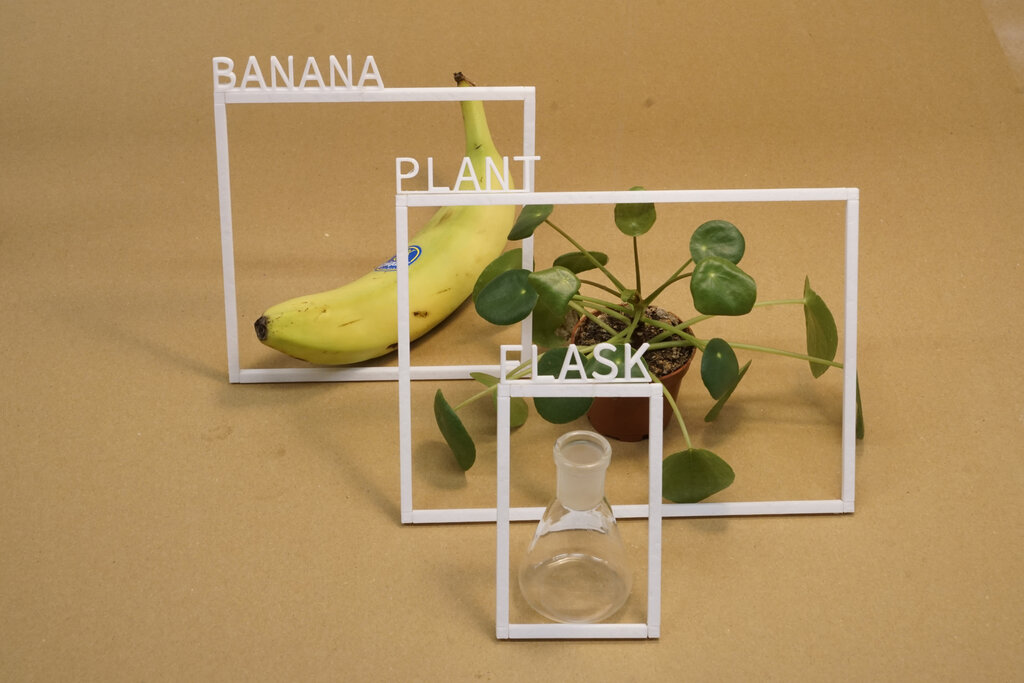
This technology powers everything from the face ID on your phone to the systems that allow self-driving cars to navigate roads safely. It’s all about giving machines a sense of sight.
A Quick Look Back
The idea of giving sight to machines isn't new. The field officially began in the 1960s with researchers who believed they could build a working visual system in a single summer. This ambitious goal, known as the MIT Summer Vision Project, proved far more complex than anticipated, but it laid the groundwork for decades of research.
Early efforts focused on simple tasks, like identifying the edges of objects or recognizing typed characters. Progress was slow, limited by the high cost of cameras and the low processing power of computers. For a long time, computer vision was more of a theoretical pursuit than a practical tool.
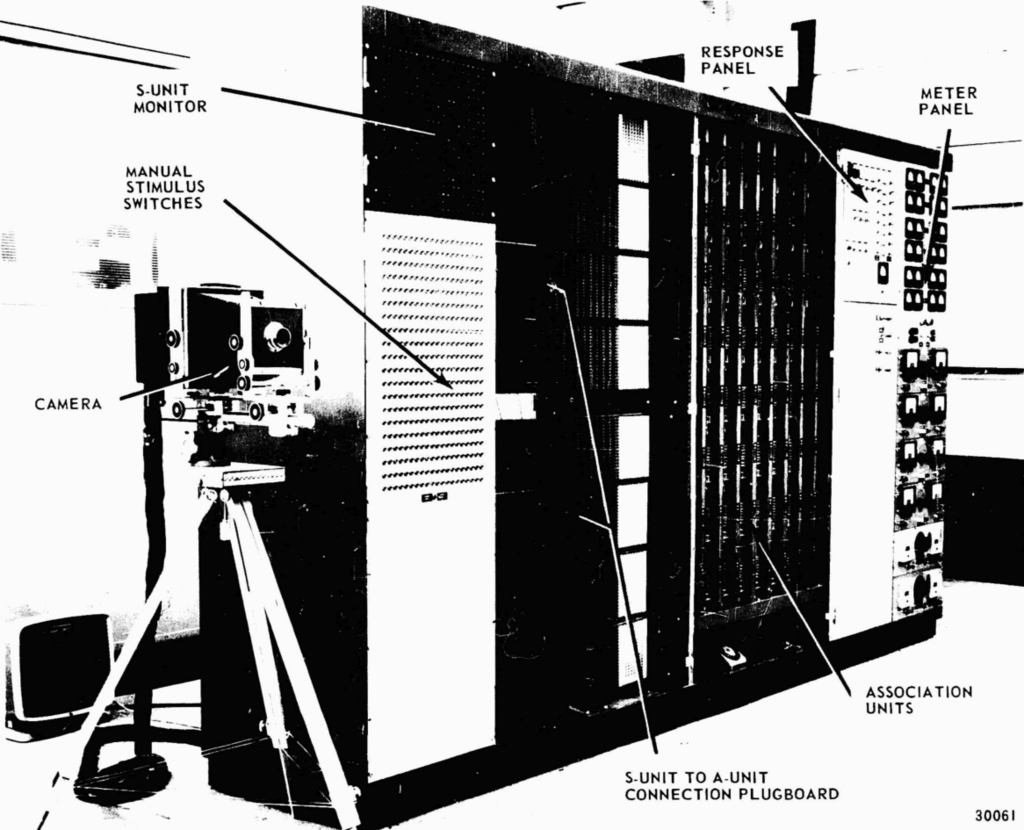
Everything changed in the 2000s and 2010s with two key developments: the availability of massive datasets (thanks to the internet) and the rise of powerful machine learning techniques, especially deep learning. These advances finally gave computers the ability to learn visual patterns with incredible accuracy, turning science fiction into everyday technology.
How Computers See
A computer doesn't see a photograph of a dog the way we do. It sees data. Specifically, it sees a grid of tiny dots called pixels. Each pixel has a numerical value that represents its color and brightness.
To a computer, a picture isn't a scene. It's a massive grid of numbers.
For a simple black and white (grayscale) image, each pixel is a single number, typically ranging from 0 (black) to 255 (white). For a color image, each pixel is usually represented by three numbers: one for red, one for green, and one for blue (the RGB color model). A high-resolution photo can easily contain millions of pixels, which means the computer has to process millions of numbers just to register the image.
The core task of computer vision is to find meaningful patterns within this sea of numbers, like identifying which groups of pixels form a line, a shape, or eventually, a recognizable object.
Key Techniques
Once an image is represented as data, computer vision models use various techniques to make sense of it. This process often starts with basic image processing to clean up the data and make it easier to analyze. This might involve adjusting brightness and contrast, sharpening edges, or converting an image to grayscale to simplify the information.
After initial processing, more advanced techniques come into play.
Object Detection
noun
The process of identifying and locating objects within an image or video. Instead of just saying "this image contains a car," object detection says "this image contains a car at these specific coordinates."
Object recognition (or image classification) is a related but simpler task. Its goal is to identify what an image is about. For example, it would classify a photo as containing a "dog," a "bicycle," or a "sunset." Object detection takes this a step further by not only identifying the objects but also pinpointing their location with a bounding box.
These foundational concepts, from understanding images as data to applying techniques like object detection, are the building blocks of all computer vision systems. They allow machines to start making sense of the visual world in a structured, analytical way.
What is the primary goal of computer vision?
How does a computer perceive a digital color image?