Computer Vision for Inventory Automation
Introduction to Computer Vision
What is Computer Vision?
When you look at a photo of a dog, you instantly recognize it. You see its fur, its ears, its tail, and your brain says, "dog." Computer vision is the science of teaching computers to do the same thing: to see and interpret the visual world. It's a field of artificial intelligence (AI) that trains machines to understand and process information from images, videos, and other visual inputs.
Computer vision is the field of computer science that focuses on creating digital systems that can process, analyze, and make sense of visual data (images or videos) like humans do.
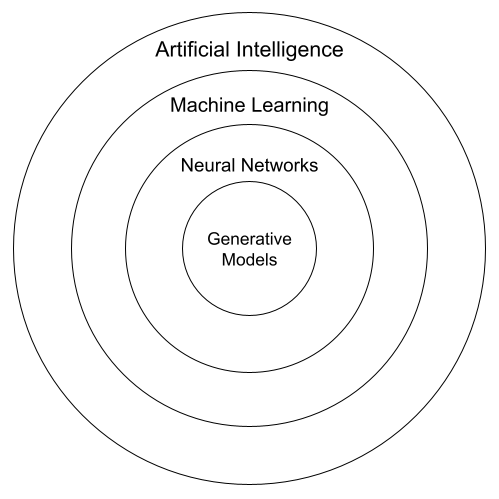
For a computer, an image isn't a single object. It's a grid of pixels, with each pixel having a specific color value. The challenge of computer vision is to teach the machine to recognize patterns in these millions of pixels—to see the collection of light and dark spots not as random data, but as a dog, a car, or a stop sign. It sits within the broader fields of AI and machine learning.
A Quick Look Back
The idea of giving sight to machines isn't new. It started in the 1960s as an academic pursuit, with early researchers trying to connect cameras to computers and have them describe their surroundings. The initial goal was ambitious: to mimic the human visual system. Early projects focused on simple tasks, like identifying the edges of an object or recognizing basic shapes in a carefully controlled environment.
Progress was slow for decades. Computers lacked the processing power, and researchers didn't have enough visual data to train their models effectively. This all changed in the 2000s and 2010s. The rise of powerful computers, the internet, and massive collections of labeled images—like the ImageNet database—created the perfect conditions for a breakthrough.
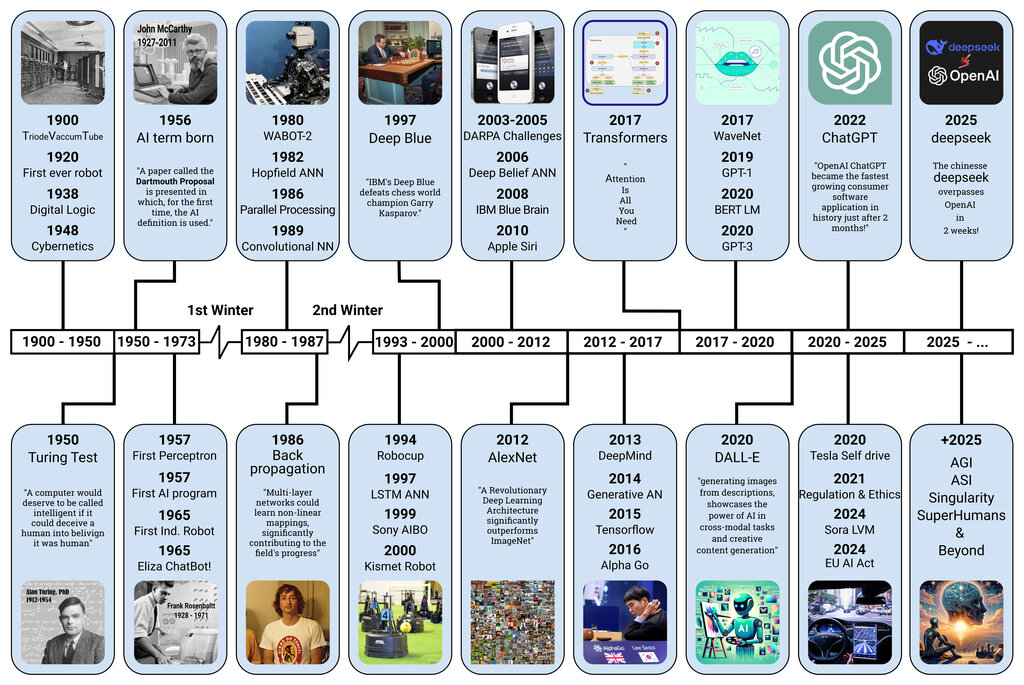
This new era was powered by machine learning, particularly a technique called deep learning. Instead of manually programming a computer to recognize a cat's features, developers could now feed a deep learning model thousands of cat pictures and let it learn the identifying patterns on its own. This approach dramatically improved accuracy and opened the door to solving much more complex visual problems.
How Computers Learn to See
A computer vision system typically follows a few key steps to make sense of an image. It starts with basic image processing and moves on to sophisticated analysis using machine learning.
First is image processing. Before a computer can analyze an image, the image often needs to be cleaned up or standardized. This can mean converting a color image to black and white, adjusting the brightness and contrast, or removing digital "noise." The goal is to enhance the most important information and reduce distractions, making it easier for the algorithm to do its job.
Next comes feature extraction. This is where the system identifies interesting and descriptive parts of the image. For a human, features are things like eyes, wheels, or leaves. For a computer, features are mathematical patterns: edges, corners, blobs of uniform color, or specific textures. Early computer vision systems relied on developers to hand-craft these feature detectors. Today, deep learning models learn to identify the most relevant features automatically by analyzing thousands of examples.
This is the core role of machine learning in computer vision: it automates the difficult process of discovering the visual patterns that define an object.
Finally, the extracted features are fed into a classification model. This model, trained on labeled data, makes a prediction. Based on the patterns of edges, textures, and shapes it detects, it might conclude there's a 95% probability the image contains a dog, a 3% probability it's a cat, and a 2% probability it's a fox.
Real-World Applications
Computer vision is no longer just a laboratory experiment. It's a powerful technology used across dozens of industries.
- Healthcare: It helps doctors analyze medical images like X-rays and MRIs to spot tumors or other anomalies earlier and more accurately.
- Automotive: Self-driving cars use a suite of cameras and sensors to perceive the world around them, identifying pedestrians, other vehicles, and traffic lanes to navigate safely.
- Retail: Stores use cameras to monitor shelves for out-of-stock items, analyze foot traffic to optimize store layout, and enable checkout-free shopping experiences.
- Manufacturing: On an assembly line, computer vision systems can spot tiny defects in products moving at high speed, ensuring better quality control than human inspectors.
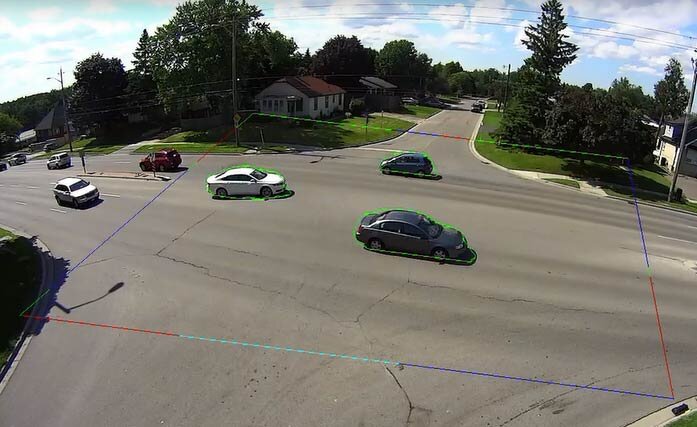
From unlocking your phone with your face to tagging friends in photos on social media, computer vision is already an integral part of our daily lives. As the technology continues to improve, it will unlock even more possibilities for automation and analysis.
Ready to check your understanding?
What is the primary goal of computer vision?
In a typical computer vision pipeline, which step involves identifying mathematical patterns like edges, corners, and textures in an image?
Understanding these core ideas provides a solid foundation for exploring how computer vision is applied to specific, complex problems in the real world.