Computer Vision and AI Fundamentals
Introduction to Computer Vision
Teaching Machines to See
Human vision is a marvel. With a glance, we can recognize a friend in a crowd, read a book, or appreciate a sunset. For decades, scientists have worked to give computers this same ability. This field is called computer vision.
Computer vision is the field of computer science that focuses on creating digital systems that can process, analyze, and make sense of visual data (images or videos) like humans do.
Think of it as teaching a machine to interpret the world through digital eyes, like cameras or sensors. The ultimate goal is not just to see, but to understand. A computer vision system doesn't just register a collection of pixels; it identifies objects, people, and even actions within an image.
A Quick Look Back
The dream of machine sight isn't new. It began in the 1960s, when artificial intelligence was a fledgling field. Early researchers were optimistic. In 1966, a famous project at MIT aimed to solve a large part of the vision problem over a single summer. They quickly discovered it was far more complex than they imagined.
Early efforts focused on recognizing simple, block-like objects in controlled environments. Progress was slow. Computers were bulky, processing power was limited, and algorithms were basic. But each decade brought breakthroughs, driven by faster hardware and smarter techniques.
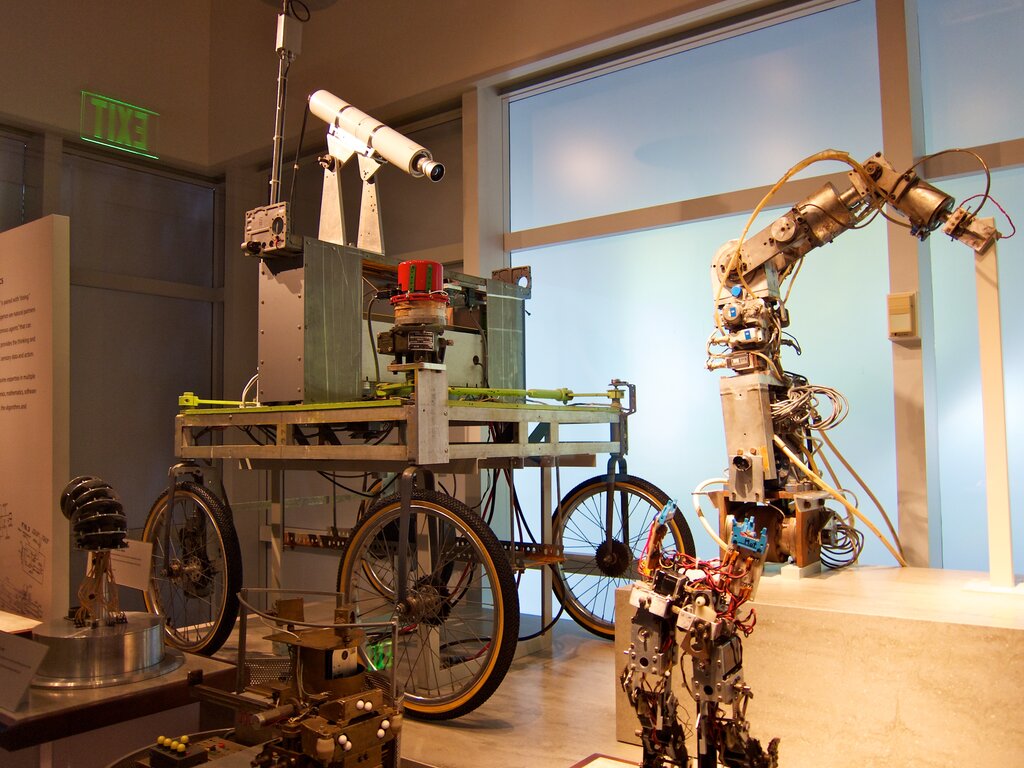
By the 2000s, the field had matured significantly. The rise of the internet provided massive datasets of images to train on, and computational power had grown exponentially. This combination paved the way for the sophisticated applications we see today.
Computer Vision in the Wild
Today, computer vision is woven into the fabric of our daily lives, often in ways we don't even notice.
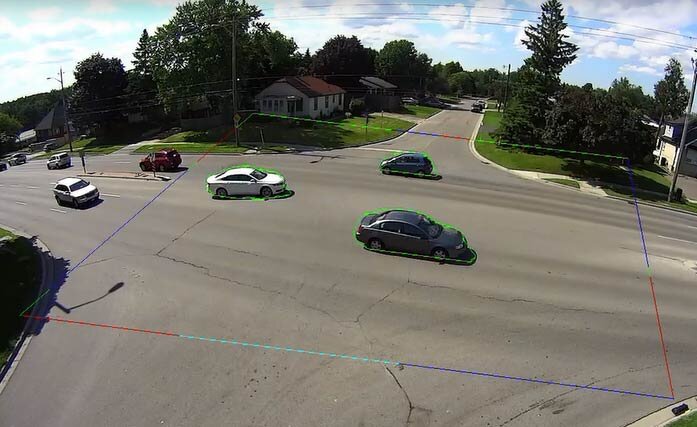
In healthcare, it helps doctors analyze medical scans like X-rays and MRIs, spotting signs of disease that might be missed by the human eye. In the automotive world, it's the core technology behind self-driving cars, enabling them to identify pedestrians, other vehicles, and traffic signs.
Retailers use it to automatically track inventory on shelves, and security systems use it for facial recognition. Even your phone's camera uses computer vision to focus on faces and apply filters.
How Does It Work?
So how does a machine go from a grid of pixels to understanding what's in a picture? The process generally follows a few key steps. First, the machine acquires an image. Then, it processes that image to enhance it, extracts key features, and finally, recognizes patterns within those features to make a decision.
Let's break that down.
Image Processing: This is like cleaning up a photograph before you look at it closely. The computer might adjust brightness and contrast, sharpen the image, or reduce “noise” (random pixel variations). The goal is to prepare the image for analysis.
Feature Extraction: This is where the real detective work begins. Instead of looking at millions of pixels, the system identifies important pieces of information, or features. Features could be edges, corners, colors, or textures. For example, in a picture of a face, features might be the eyes, nose, and mouth.
Pattern Recognition: Once the key features are extracted, the final step is to make sense of them. The system compares these features to patterns it has learned from thousands of other images. If the features match the pattern for “cat,” it concludes there's a cat in the image. This is the stage where the computer makes a classification or identification.
The core task of computer vision is to turn raw pixel data into a meaningful description of the world.
By following this process, machines can start to perceive and understand the visual world, unlocking a vast range of possibilities.
Ready to check your understanding?
What is the primary goal of computer vision?
What was a major factor that significantly accelerated the progress of computer vision in the 2000s?
This foundational understanding of how machines see is the first step into the exciting world of computer vision.