Computer Vision AI Fundamentals
Introduction to Computer Vision
Teaching Machines to See
Humans rely on their eyes to understand the world. We effortlessly recognize a friend's face, read a street sign, or admire a sunset. For computers, this is incredibly difficult. The field of artificial intelligence dedicated to this challenge is called computer vision.
Computer vision is a field of artificial intelligence that enables machines to interpret and make decisions based on visual data, such as images and videos.
In simple terms, computer vision gives machines a sense of sight. It's not just about recording an image or video; it’s about understanding what's in it. This involves extracting, analyzing, and processing useful information from visual inputs to take some kind of action. This could be anything from a phone unlocking with your face to a self-driving car navigating a busy street.
A Brief History of Sight
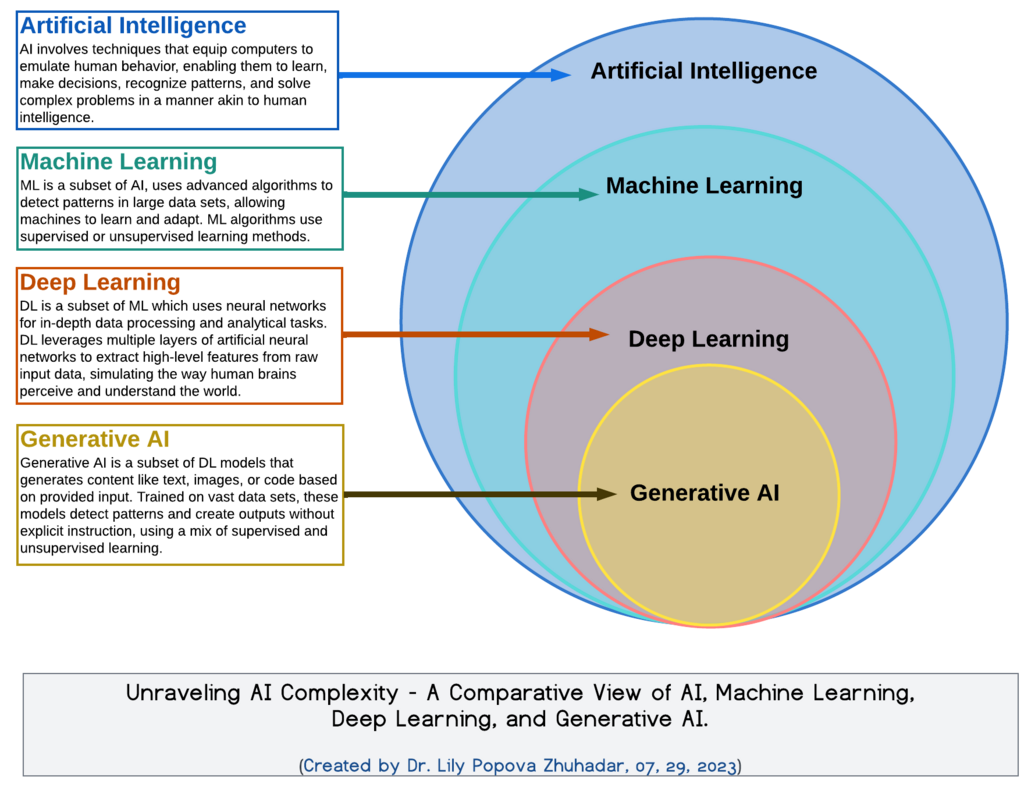
The idea of machine sight isn't new. The journey began in the 1960s, when AI was in its infancy. Early researchers believed they could solve the problem in a single summer. They quickly realized it was far more complex.
Early projects focused on identifying simple objects in controlled environments. Progress was slow, limited by computing power and the complexity of visual data. A major breakthrough came with the development of neural networks, which are computing systems inspired by the human brain. As computers became more powerful and large datasets of images became available, computer vision began to make incredible leaps.
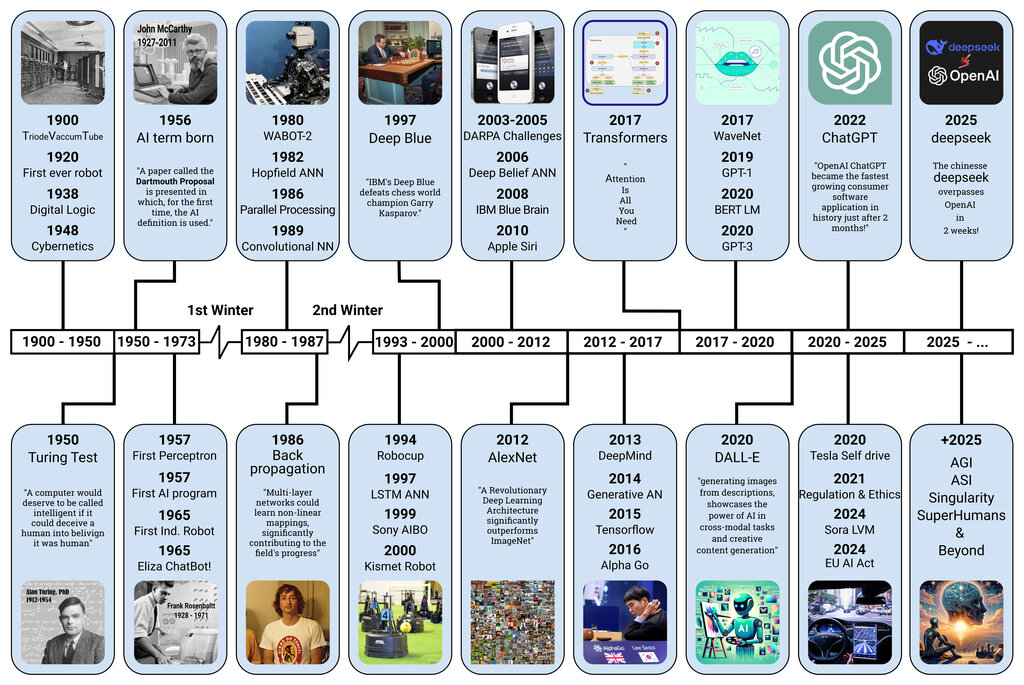
Today, deep learning models can be trained on millions of images, allowing them to recognize patterns with astounding accuracy. What started as a summer project has evolved into a technology that is reshaping industries.
The Core Goals
Computer vision aims to replicate several aspects of human vision. The main goals can be broken down into a few key tasks.
Object Recognition: This is the most fundamental task. It involves identifying and classifying objects within an image. Is that a car, a bicycle, or a pedestrian? For more advanced systems, it also involves localization—drawing a box around the object to pinpoint its location.
For example, when your phone's camera app puts a square around a person's face, it's performing object recognition and localization.
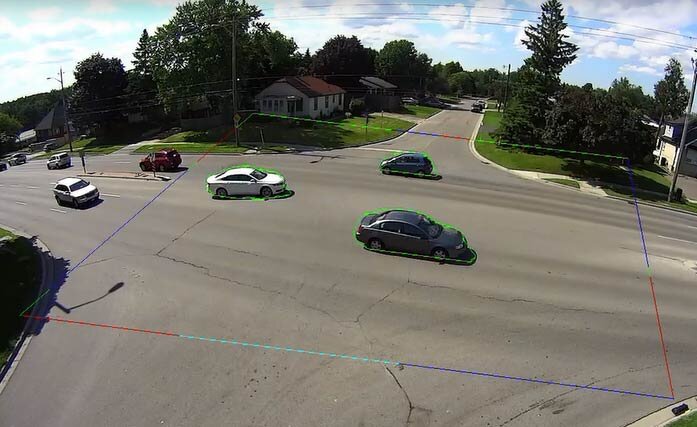
Image Segmentation: This task goes a step further. Instead of just drawing a box around an object, segmentation classifies every single pixel in an image. This creates a detailed map, separating objects from the background and from each other.
Segmentation is crucial for applications that require precise understanding of an object's shape and boundaries, such as in medical imaging to outline a tumor or in self-driving cars to identify the exact path of the road.
Scene Understanding: This is the highest-level goal. It involves analyzing all the objects and their relationships to describe what is happening in an image. It's not just identifying a car and a person; it's understanding that 'a person is crossing the street in front of a car'.
This holistic view allows a system to interpret context, predict actions, and make more intelligent decisions, much like a human would.
Computer Vision in Action
The applications of computer vision are already all around us.
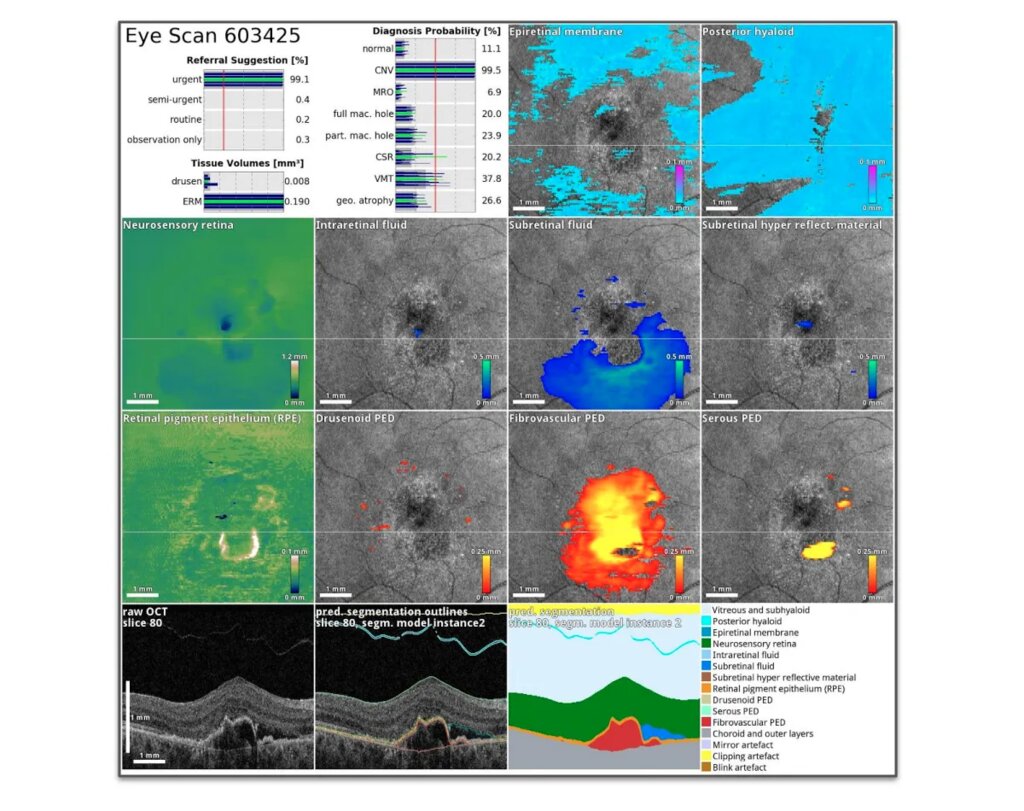
In healthcare, it helps doctors analyze medical scans like X-rays and MRIs to detect diseases earlier and more accurately. In automotive, it's the core technology behind self-driving cars and driver-assistance features like automatic emergency braking. In retail, stores use cameras to track inventory on shelves, monitor foot traffic, and even offer cashier-less checkout experiences.
From agriculture, where it monitors crop health, to security systems that identify unauthorized individuals, computer vision is automating and enhancing tasks that once required human eyes.
Now that we've covered the basics, let's review some key ideas.
Ready to test your knowledge?
What is the primary goal of computer vision?
What technological development was a major breakthrough that significantly advanced the field of computer vision?
As computing power grows and algorithms improve, we're only scratching the surface of what machines can be taught to see.