Computer Science Career Navigation
Assess Personal Interests
Start with Yourself
Before diving into the vast world of computer science careers, it's worth taking a step back. The best career for you isn't just about what you're good at; it's about what you enjoy, what energizes you, and what you find meaningful. A fulfilling career sits at the intersection of your skills, your interests, and your personal values.
Introspection -- thinking about your interests, skills, abilities, values, personality traits and goals -- is part of any sound career counseling process.
This process of self-assessment helps you build a personal compass. This compass won't point to a specific job title right away. Instead, it will guide you toward roles and environments where you're most likely to thrive. It’s about understanding your personal 'why' before figuring out the 'what' and 'how'.
Identify Your Drivers
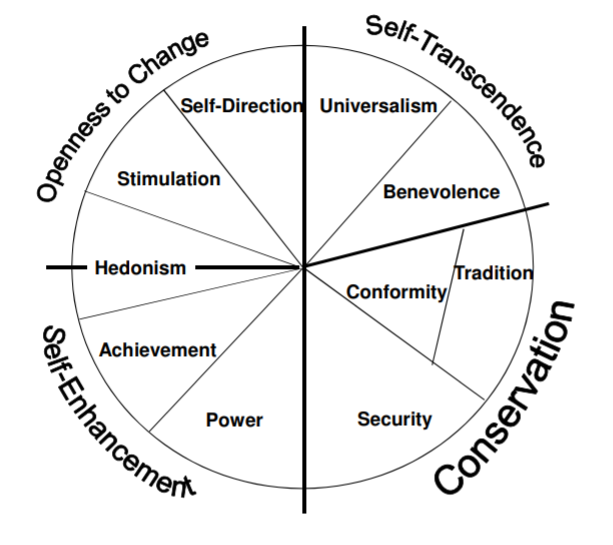
Let's start with your values. These are your fundamental beliefs, the principles that guide your decisions. Do you value creativity and innovation? Or do you prioritize stability and security? Is making a social impact more important to you than financial reward? There are no right or wrong answers, but being honest with yourself is key.
Try this: Take 10 minutes and list everything you value in a job. Don't censor yourself. Write down anything that comes to mind, from 'working on interesting problems' to 'having a short commute.' Afterward, circle the five that are absolutely non-negotiable for you. These are your core work values.
Next, think about your strengths. These aren't just skills you've learned, like coding in a particular language. Strengths are activities that make you feel strong and engaged. They're the things you do that leave you feeling energized, not drained. Maybe you love untangling complex logical puzzles, or perhaps you excel at explaining technical concepts to others.
By focusing on roles that play to your strengths, you’ll increase your chances of career success and fulfillment.
Thinking about your values and strengths helps you create a filter. As you explore different career paths, you can run them through this filter to see how well they align with what truly motivates you.
Find Your Ideal Environment
Where you work is just as important as what you do. The environment and culture of a workplace can make or break your job satisfaction. Take some time to reflect on the conditions where you do your best work.
Are you a collaborator who thrives on team projects and brainstorming sessions? Or are you a solo creator who prefers quiet, focused time to dive deep into a problem? Tech offers both paths. You can find roles in bustling, open-plan startup offices or in companies that fully embrace remote work and individual contribution.
Consider the pace and structure you prefer. Do you enjoy the high-stakes, fast-moving environment of a new product launch, where priorities can shift daily? Or do you work better in a more structured, predictable setting with long-term projects and clear roadmaps?
Think about these questions:
- Do I prefer collaborating in a group or working independently?
- Am I more motivated by solving small, quick problems or tackling large, complex challenges?
- Do I want a clear structure and hierarchy, or more autonomy and flexibility?
- What kind of company mission would I be proud to support?
Your answers will help you recognize a good cultural fit when you see one, whether it's at a tiny startup, a massive corporation, a research lab, or a non-profit organization.
Let's test what you've learned about self-assessment.
According to the self-assessment framework presented, a fulfilling career is most likely found at the intersection of which three key elements?
How does the text define a 'strength' as being different from a 'skill'?
Knowing yourself is the first and most critical step in navigating your career. It provides the foundation for all the decisions that follow.