Computer Networking Fundamentals
Introduction to Computer Networks
What is a Computer Network?
At its heart, a computer network is simple: it’s a group of connected devices that can talk to each other. Think of it like a conversation. For two people to talk, they need to be able to hear each other and speak the same language. A network provides the connection and the common language for devices.
The main purpose is sharing. In an office, a network lets everyone use the same printer without having to plug into it directly. At home, your network lets your laptop, phone, and TV all share the same internet connection.
A network connects devices so they can share resources and information.
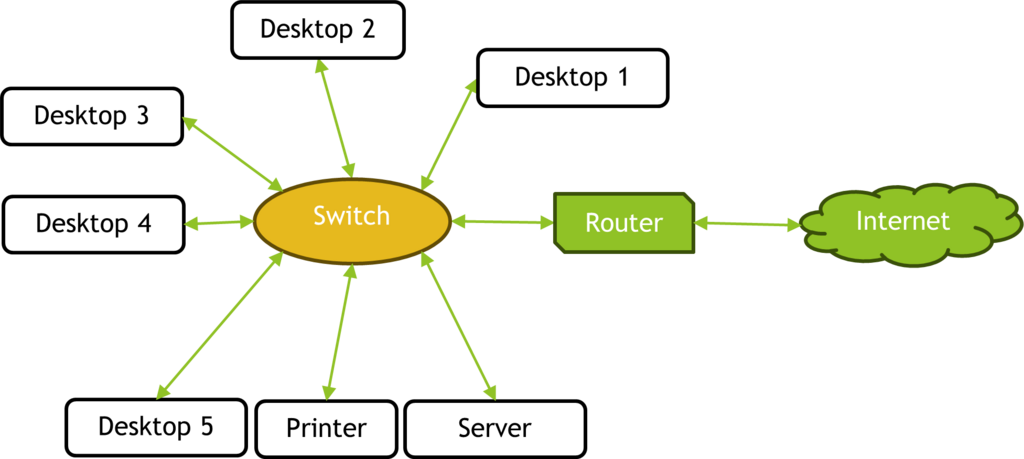
The Building Blocks
Every network, no matter how big or small, is built from three basic components: nodes, links, and protocols. Understanding these parts is key to understanding how networks function.
A node is any device on the network. This includes your computer, smartphone, printer, smart TV, or the servers that host your favorite websites.
A link is the pathway that connects the nodes. Links can be physical, like an Ethernet cable, or they can be invisible, like the radio waves that make up a Wi-Fi connection.
A protocol is a set of rules for communication. It’s like a shared language. For two nodes to exchange information, they must follow the same protocol to ensure the data is sent and understood correctly.
| Component | Role | Examples |
|---|---|---|
| Node | A device on the network | Computer, phone, printer, server |
| Link | The connection between nodes | Ethernet cable, Wi-Fi, fiber optic cable |
| Protocol | The rules for communication | A common language for devices |
Networks Big and Small
Networks come in different sizes, depending on the area they cover. The three most common types are PANs, LANs, and WANs.
PAN
noun
A Personal Area Network connects devices over a very short range, usually for just one person.
Think of the technology you use every day. When you connect your smartwatch to your phone or your wireless mouse to your laptop, you're using a PAN. Bluetooth is the most common technology for creating these small, personal networks.
LAN
noun
A Local Area Network connects devices within a limited area, like a home, school, or office building.
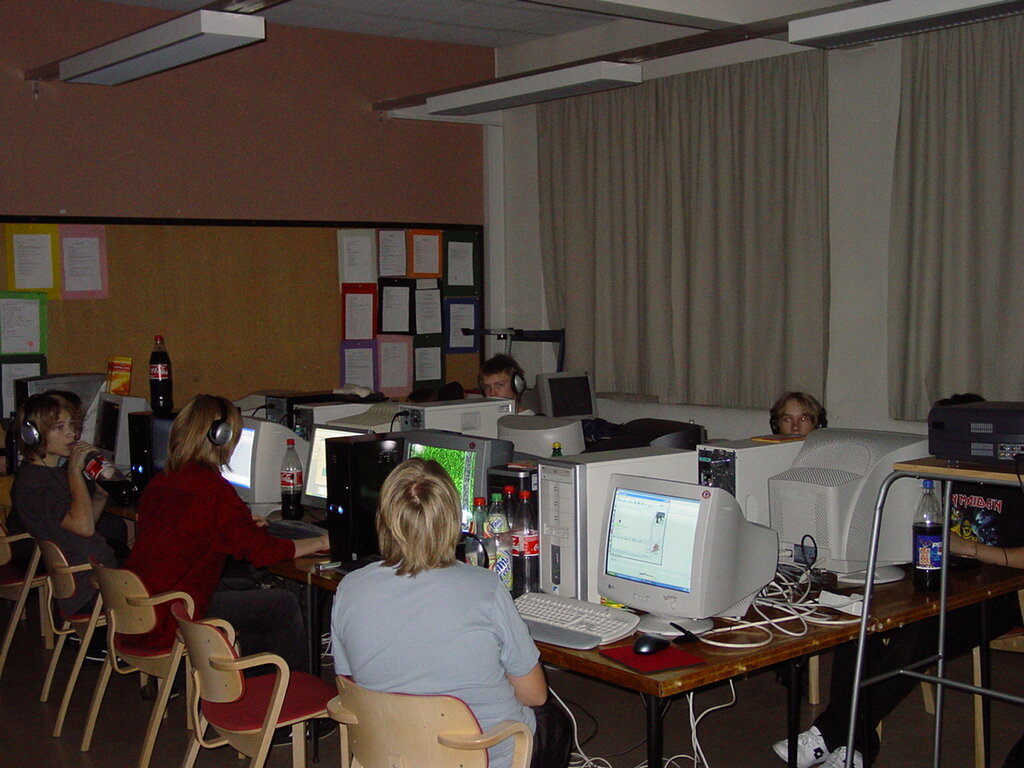
LANs are what most of us think of when we hear the word "network." Your home Wi-Fi is a LAN. It connects all your family's devices to each other and to the internet. In a school, a LAN connects all the classroom computers and library terminals.
WAN
noun
A Wide Area Network spans a large geographical area, such as a city, country, or even the entire globe.
WANs are networks of networks. They connect multiple LANs together over long distances. A large company might have a WAN to connect its office in New York with its office in London. The ultimate WAN is the internet itself, a massive global network that connects billions of LANs and individual devices.
How Data Travels
So how does a photo from your phone get to your friend's laptop across the country? It travels as data. For a message to get from one node to another, the network breaks it down into small pieces called packets.
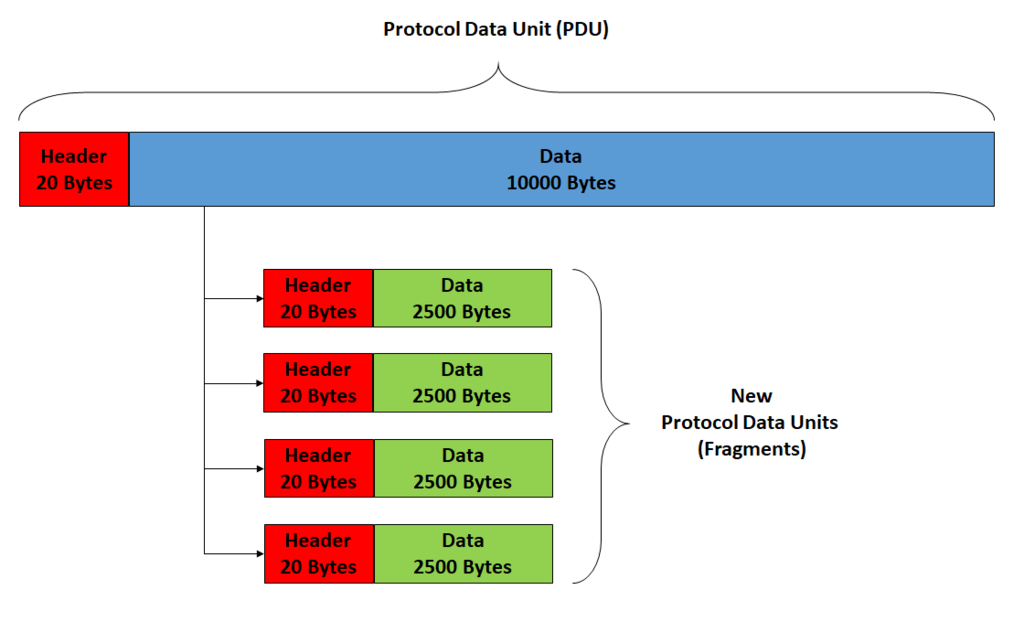
Each packet is like a postcard. It contains a small part of the total message, plus the sender's address and the recipient's address. These packets travel independently through the network, sometimes taking different paths, and are reassembled in the correct order when they reach their destination.
This system is efficient and robust. If one path on the network is congested or broken, packets can be rerouted along another path, ensuring your message still gets through.
Let's check your understanding of these core concepts.
What is the primary purpose of establishing a computer network?
When you connect a wireless mouse to your laptop, you are creating which type of network?
You've learned the basic vocabulary of computer networking. These ideas are the foundation for understanding how our digital world is connected.