Computer Networking Fundamentals
Introduction to Computer Networks
What Is a Computer Network?
Think about how you have a conversation with a friend. You talk, they listen. They reply, you listen. You both understand the same language and follow unwritten rules, like not interrupting each other. Computer networks are a lot like that, but for machines.
A network is just two or more devices connected so they can share information and resources. This could be two computers in the same room or millions of devices spread across the globe.
Computer Network is a group of computers and other hardware devices that are linked together via communication channels to process communication and enable resource sharing among a wide range of users.
The main purpose of networking is to make our lives easier. Instead of using a flash drive to move a file from your laptop to your desktop, you can send it over your home network. Instead of buying a printer for every computer in the office, everyone can share a single one.
Networks allow for powerful communication, like video calls with family, and enable access to shared information, which is the whole idea behind the internet. They're the invisible highways that move the data we use every day.
The Building Blocks
Every network, no matter its size, is built from the same three basic components: nodes, links, and protocols.
Node
noun
Any device that can send, receive, or forward information within a network.
Nodes are the endpoints of a network. They can be computers, servers, printers, smartphones, or even smart appliances like a refrigerator. If a device has a network address and can communicate, it's a node.
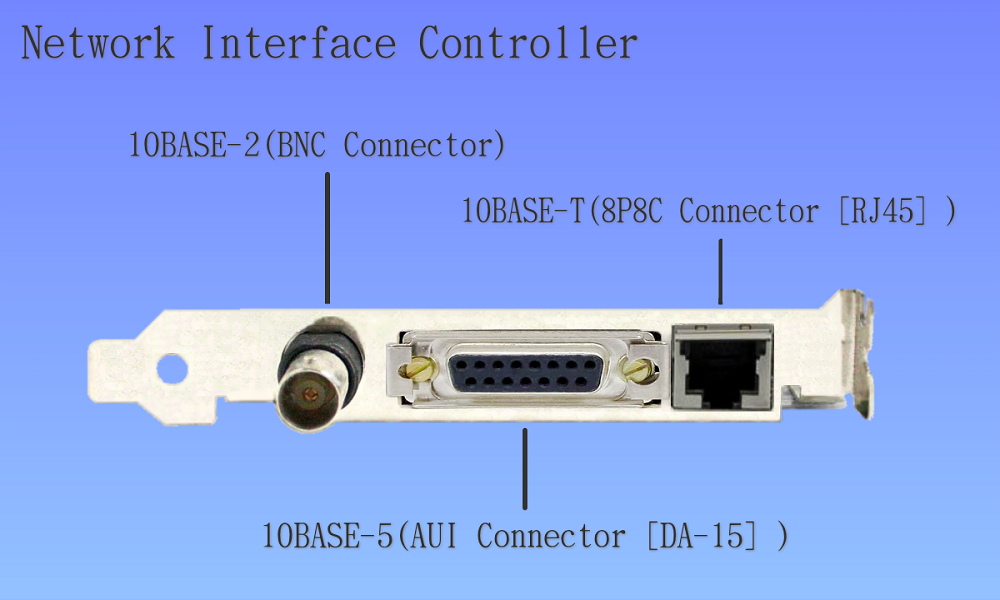
Nodes need a way to connect to each other. These connections are called links. A link is the physical or wireless medium that carries data from one node to another. Think of them as the roads that connect cities (nodes). An Ethernet cable plugging your computer into the wall is a physical link. The Wi-Fi signal connecting your phone to the internet is a wireless link.
Finally, for nodes to communicate successfully over links, they need to speak the same language. In networking, this common language is called a protocol. Protocols are sets of rules that govern how data is formatted, transmitted, and received. Without protocols, a message sent from an Apple computer might be complete gibberish to a Windows PC. They ensure that communication is orderly and reliable.
Networks Big and Small
Networks are often categorized by the geographical area they cover. While there are many types, four common ones are PAN, LAN, MAN, and WAN.
- PAN (Personal Area Network): This is the smallest network, designed for one person. When you connect your wireless headphones to your phone via Bluetooth, you've created a PAN. It usually spans just a few feet.
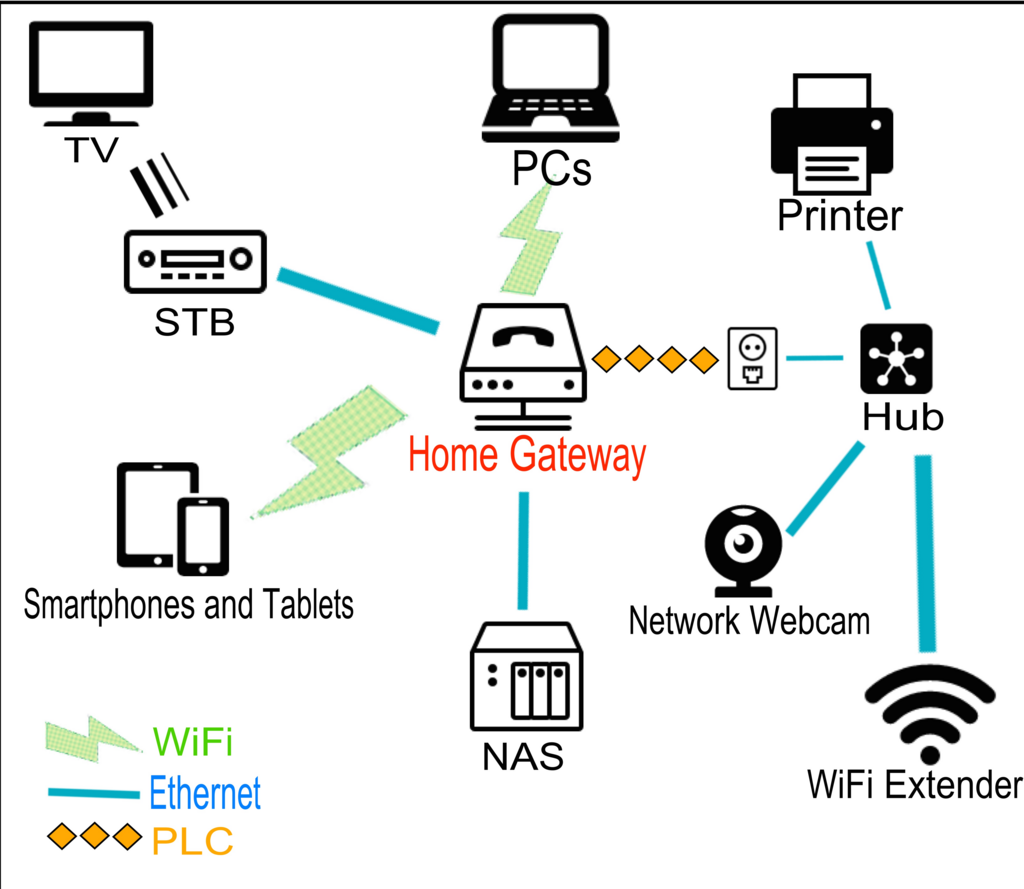
- LAN (Local Area Network): This network connects devices within a limited area, like a home, school, or office building. Your home Wi-Fi is a perfect example of a LAN, connecting all your personal devices so they can share files and an internet connection.
- MAN (Metropolitan Area Network): Larger than a LAN but smaller than a WAN, a MAN typically covers an entire city or a large campus. It might be used to connect all the branches of a public library or link government offices across a city.
- WAN (Wide Area Network): This is the big one. A WAN spans a large geographical area, often a country or even the entire planet. The most famous example of a WAN is the internet itself, which is a global network of networks.
Let's check your understanding of these fundamental concepts.
What are the three fundamental components of any computer network?
In the analogy of cities connected by roads, what do the 'roads' represent in a computer network?
Understanding these basic building blocks is the first step in learning how our connected world works.