Computer Network Fundamentals
Introduction to Computer Networks
What Is a Computer Network?
At its core, a computer network is simple: it's just two or more computers linked together so they can communicate and share things. Think of it like a conversation. For a conversation to happen, you need at least two people, a shared language, and a way for the sound to travel between them. A network is the digital version of that conversation.
Computers on a network can share resources, exchange files, or allow electronic communications.
These connections can be physical, like an Ethernet cable plugged into your laptop, or invisible, like the Wi-Fi signal connecting your phone to the internet. The size of a network can range from a couple of devices in your home to the billions of devices that make up the global internet.
The Power of Sharing
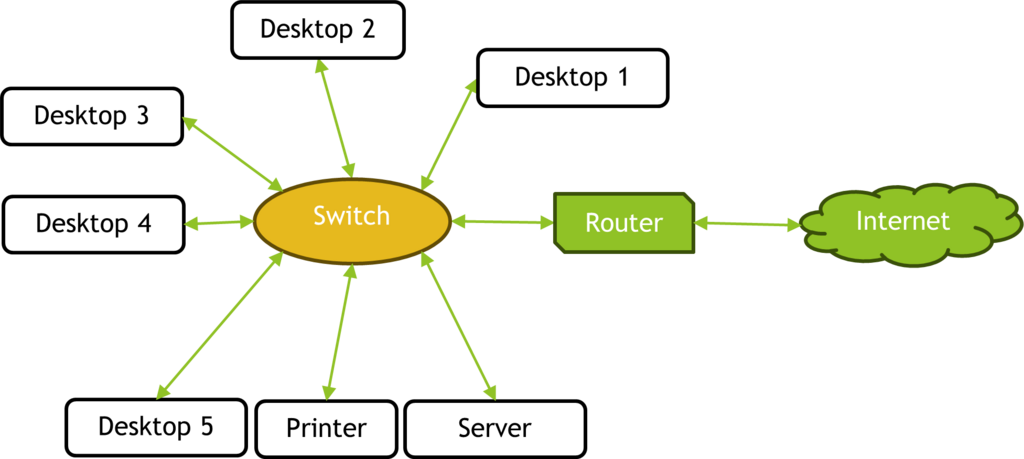
The primary reason we build networks is to share. The most obvious type of sharing is resource sharing. Imagine an office with ten employees. Instead of buying ten separate printers, the company can buy one high-quality printer and connect it to the office network. Now, all ten employees can print to it from their desks. This saves money, space, and makes maintenance easier.
The same principle applies to files and data. A central server on a network can store important files, allowing authorized users to access them from any connected computer. This is far more efficient than passing a USB drive around or emailing files back and forth, which can lead to confusion about which version is the most recent.
By sharing resources and centralizing data, networks boost efficiency and cut down on redundant hardware.
This ability to share also enables powerful collaboration. Multiple people can work on the same document simultaneously, like in a shared spreadsheet or a collaborative design file. Each person's changes are visible to the others in real-time, all thanks to the underlying network connecting their computers.
Networks in Everyday Life
You probably use computer networks dozens of times a day without thinking about it. Every time you stream a movie, check social media, or send an email, you're tapping into a massive, interconnected web of networks.
Here are just a few examples:
- Entertainment: Streaming services like Netflix and Spotify deliver content from their servers to your device over the internet.
- Communication: Video calls with family, instant messages to friends, and emails to colleagues all travel across networks.
- Smart Homes: Your smart speaker, thermostat, and lightbulbs communicate with each other and with your phone over your home's Wi-Fi network.
- Finance: When you use an ATM or pay with a credit card, a network securely connects the machine to your bank to verify the transaction.
Each of these actions relies on different devices sending and receiving data through a series of connections, proving how essential networking has become.
What is the most fundamental definition of a computer network?
According to the text, what is a primary benefit of connecting computers in an office to a network?
Without networks, our modern digital world simply wouldn't exist. They are the invisible infrastructure that connects us to information, entertainment, and each other.