Computer Fundamentals Unveiled
Introduction to Computers
What Is a Computer?
At its core, a computer is a machine that follows instructions. It takes in information, processes it, and gives you something new in return. Think of it like a lightning-fast, hyper-obedient assistant that only understands a very specific language.
A computer is an electronic device that manipulates information, or data. It has the ability to store, retrieve, and process data.
Every computer, whether it's a smartphone in your pocket or a massive server in a data center, performs four basic functions:
- Input: Getting data. This is you typing on a keyboard, clicking a mouse, or tapping a screen.
- Processing: Doing something with that data. The Central Processing Unit (CPU), the computer's brain, follows instructions to calculate, sort, or modify the input.
- Output: Showing the result. This is what you see on the screen, hear from the speakers, or get from a printer.
- Storage: Saving the data for later. This is the job of hard drives or solid-state drives, which hold files and programs.
From Gears to Gigabytes
Computers didn't just appear overnight. The idea of a calculating machine has been around for centuries. Early concepts, like Charles Babbage's Analytical Engine in the 1800s, were purely mechanical. They were designed to run on gears, levers, and steam power, but they laid the conceptual groundwork for modern computing by introducing ideas like memory and programmable instructions.
The real leap forward came with electricity. Instead of clunky mechanical parts, engineers started using electrical signals to represent and process information. The first electronic computers were enormous, room-sized machines that used thousands of fragile, power-hungry vacuum tubes to do their calculations.
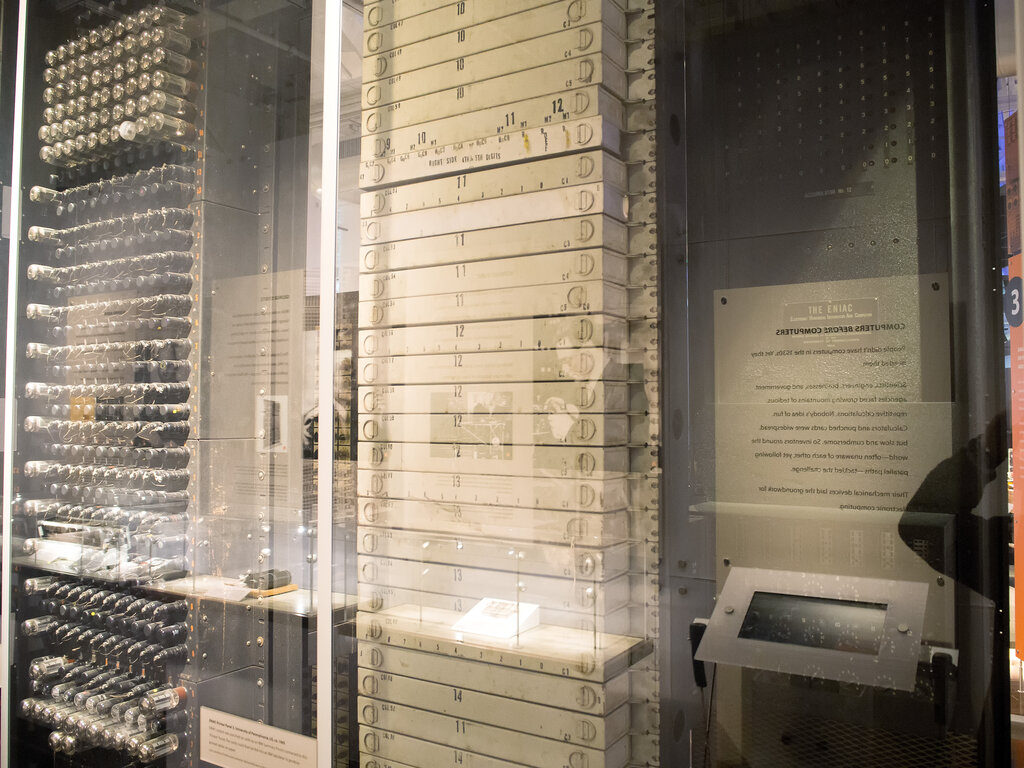
These early machines were groundbreaking, but the invention of the transistor in 1947 changed everything. Transistors did the same job as vacuum tubes but were smaller, more reliable, and used far less power. Soon after, engineers figured out how to pack millions of transistors onto a tiny silicon chip called an integrated circuit. This breakthrough made it possible to build computers that were not only powerful but also small and affordable enough to sit on a desk.
The Personal Computer Revolution
The rise of the integrated circuit kicked off the era of the personal computer (PC). Companies like Apple and IBM began creating machines designed for homes and offices, not just for specialized government or university labs. This shift put the power of computing into the hands of everyday people for the first time.
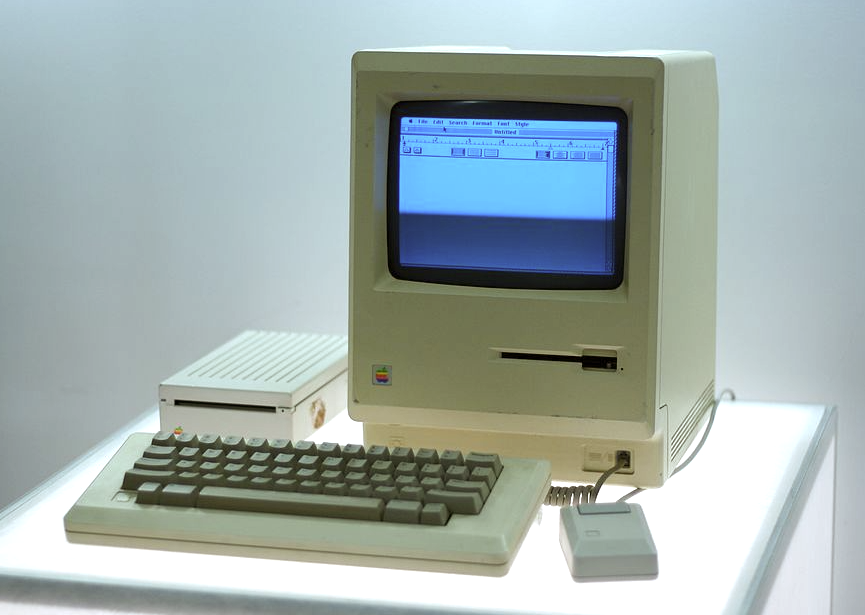
From there, the evolution has been relentless. Computers became faster, smaller, and more connected. Desktops led to laptops, which led to the powerful smartphones and tablets we use today. Though they look vastly different from the room-sized machines of the past, they all operate on the same fundamental principles of input, processing, output, and storage.
Ready to check your understanding?
Which of the following are the four basic functions of a computer?
What is the primary component responsible for the "processing" function in a computer?
This historical journey from simple mechanical calculators to complex digital devices sets the stage for everything else we'll learn about how computers work.