Computer Fundamentals
Introduction to Computer Systems
What Is a Computer?
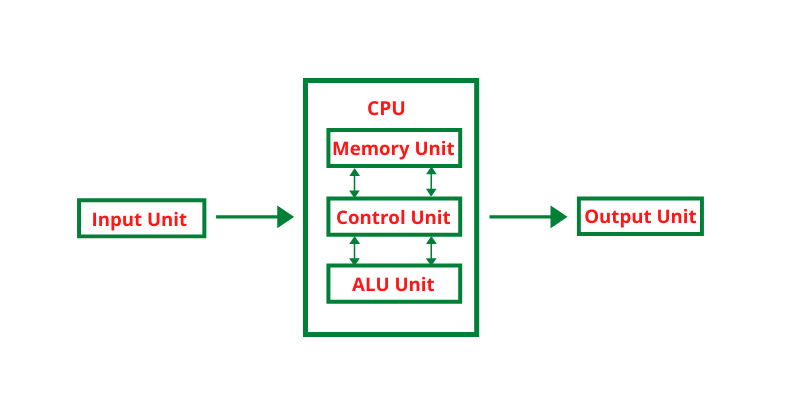
At its heart, a computer is a machine that follows instructions. It takes in information, called input, does something with it, called processing, and then produces a result, called output. Think of it like a chef following a recipe. The ingredients are the input, the cooking is the processing, and the finished meal is the output.
computer
noun
An electronic device for storing and processing data, typically in binary form, according to instructions given to it in a variable program.
The key is that this process isn't random. A computer follows a precise set of commands, called a program, to turn the input into the desired output. This simple model of input, process, and output is the foundation for everything computers do, from sending a text message to flying a spaceship.
More Than Just Desktops
When you hear the word “computer,” you probably picture a laptop or a desktop machine. Those are certainly computers, but the family is much larger. Many devices you interact with every day are specialized computers designed for specific tasks.
| Type | Primary Use | Examples |
|---|---|---|
| Personal Computer | General tasks for one person | Laptops, desktops, tablets |
| Server | Providing services to other computers | Web servers, email servers, game servers |
| Embedded System | Performing a dedicated function | Microwaves, digital watches, car engines |
Your smartphone is a powerful personal computer that fits in your pocket. When you stream a movie, your device is talking to a server, a high-performance computer designed to store and send data over a network to many users at once.
Even your microwave has a computer inside. It's an embedded system, a computer built to do one job reliably, like heating food for a set amount of time. You don't browse the web on it, but it's still following a program to process input (you pressing the buttons) and produce output (a hot meal).
Computers at Work
The versatility of computers allows them to be used in nearly every field imaginable. In hospitals, they manage patient records, analyze medical images, and control life-saving equipment. In entertainment, computers create stunning visual effects for movies and power the interactive worlds of video games.
Scientists use massive servers, often called supercomputers, to simulate complex systems like climate change or the folding of proteins. From designing buildings to managing global finance, computers have become essential tools for solving problems and creating new possibilities.
Now, let's check your understanding of these core concepts.
What are the three fundamental steps a computer performs, in order?
In the analogy of a chef following a recipe, what do the ingredients represent?
Understanding what a computer is and the different forms it can take is the first step in learning how these powerful machines work.