Computer Fundamentals Explained
Introduction to Computers
What Is a Computer?
At its heart, a computer is a machine that follows instructions. Think of it like a very fast and obedient kitchen assistant. You give it ingredients (input), a recipe to follow (processing), and it gives you a finished dish (output). It can also remember recipes for later (storage).
Every computer, from the smartphone in your pocket to the massive servers that run the internet, performs four basic functions: it takes in information, processes it, stores it, and then presents the results.
Let's use a simple calculator as an example. You press the keys 2, +, 2, and = (input). The calculator's chip adds the numbers (processing). The screen displays 4 (output). If it has a memory function, it can also hold onto that result for a future calculation (storage).
A Family of Computers
Not all computers look the same. They come in many shapes and sizes, each designed for different needs. While they all perform the same core functions, their form impacts how and where we use them.
| Type | Primary Use | Portability | Example |
|---|---|---|---|
| Desktop | General tasks at a fixed location | Low | An office PC with a separate monitor and keyboard. |
| Laptop | General tasks on the go | High | A hinged notebook computer you can use anywhere. |
| Tablet | Media consumption and light tasks | Very High | An iPad or Android tablet with a touchscreen. |
| Server | Manages network resources | None | A powerful machine in a data center hosting websites. |
| Embedded | Controls a specific device | Varies | The chip in your microwave or car's engine. |
You probably use several types of computers every day without even realizing it. The line between them is also blurring. Some laptops have detachable touchscreens, acting like tablets, and powerful smartphones are essentially pocket-sized computers.
From Gears to Gigabytes
The idea of a computing machine isn't new. Early concepts date back centuries to mechanical devices designed to perform calculations with gears and levers. Charles Babbage's Analytical Engine in the 1830s was a blueprint for a general-purpose, programmable computer, though it was never fully built in his lifetime.
The modern digital era began with massive, room-sized electronic computers in the 1940s. These machines used thousands of fragile vacuum tubes to process information.
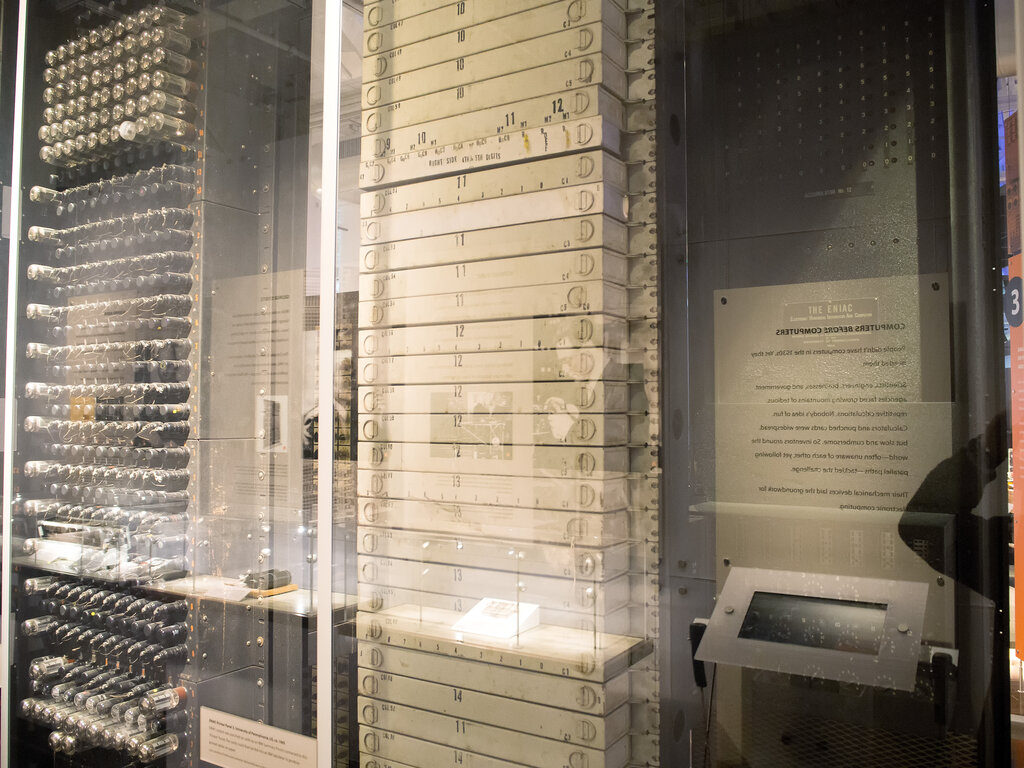
Two key inventions changed everything. The transistor, invented in 1947, replaced bulky vacuum tubes with a tiny, reliable switch. Then, in the late 1950s, the integrated circuit packed many transistors onto a single silicon chip. This miniaturization made computers smaller, cheaper, and vastly more powerful, paving the way for the personal computers, or PCs, that arrived in the 1970s and 1980s.
Computers in Our World
Today, computers are woven into the fabric of our lives. We use them to communicate with friends and family, to watch movies, to manage our finances, and to learn new skills. They have transformed entire industries.
In healthcare, computers help doctors diagnose diseases and perform complex surgeries. In science, they model everything from climate change to the mysteries of the universe. In entertainment, they create stunning visual effects for movies and power immersive video games. They are the tools that enable GPS navigation, online shopping, and instant access to nearly all of human knowledge.
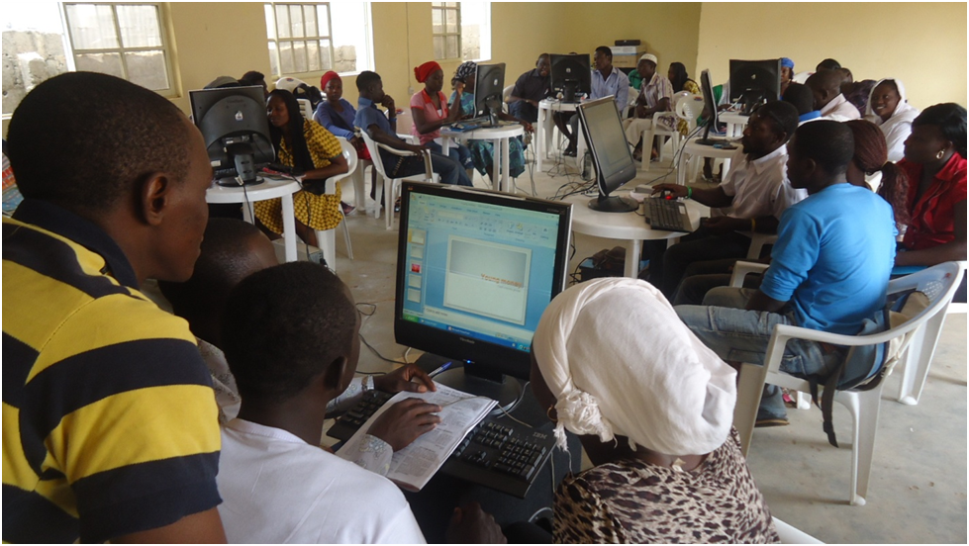
Understanding what a computer is and where it came from is the first step in learning how to use these powerful tools more effectively.
Every computer, regardless of its size or purpose, performs four fundamental functions. What are they?
When you use a calculator to solve '2 + 2 = 4', the act of the calculator's chip adding the numbers represents which of the four basic functions?