Computer Fundamentals A Beginners Guide
Introduction to Computers
What Exactly Is a Computer?
At its core, a computer is a machine that follows instructions to process information. Think of it like a lightning-fast, incredibly obedient chef. You give it ingredients (input), a recipe to follow (processing), and it produces a finished dish (output). It can also save the recipe for later (storage).
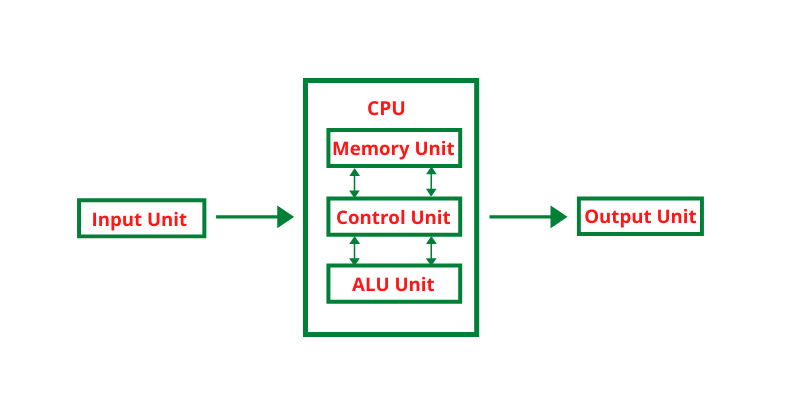
Every computer, from the smartphone in your pocket to the massive servers that power the internet, performs these four basic functions:
- Input: This is how the computer receives data. Your keyboard, mouse, and microphone are all input devices.
- Processing: The computer's brain, the Central Processing Unit (CPU), takes the input data and manipulates it according to a set of instructions.
- Output: After processing, the computer shows you the result. This happens on your screen, through your speakers, or on a printed page.
- Storage: The computer saves information for later use on devices like a hard drive or solid-state drive.
A Quick Trip Through Time
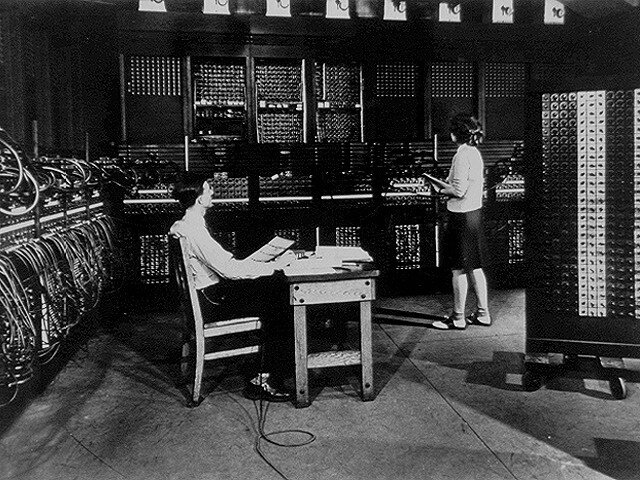
The idea of a machine that calculates isn't new. For centuries, humans used tools like the abacus to help with math. But the first electronic computers were something else entirely. One of the first, called ENIAC, was built in the 1940s. It was enormous, filling an entire room, and was used for complex military calculations.
These early machines used bulky, unreliable vacuum tubes. A major breakthrough came with the invention of the transistor, and later the integrated circuit, which packed immense processing power into a tiny silicon chip. This is what made computers smaller, cheaper, and much more powerful.
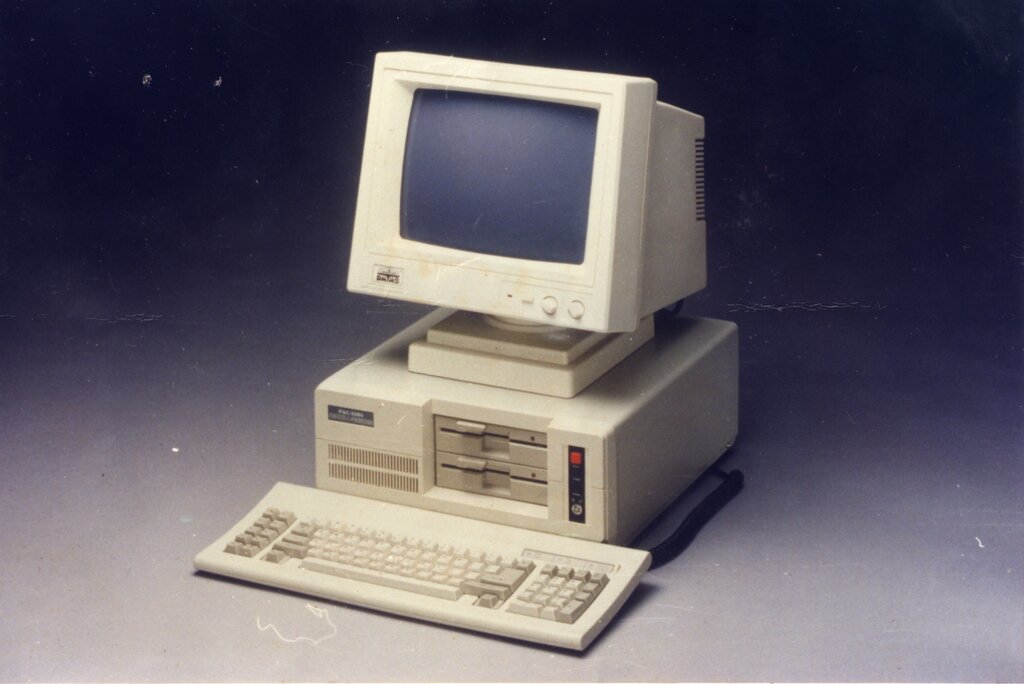
By the 1970s and 80s, these innovations led to the personal computer (PC). For the first time, computers were small enough and affordable enough to sit on a desk in a home or office. This kicked off a revolution in how people work, communicate, and play.
Computers Are Everywhere
When we hear the word "computer," we usually picture a laptop or a desktop PC. But most of the computers in the world don't look like that at all.
There are servers, powerful computers that store websites, manage emails, and run online applications. You never see them, but you use them every time you go online.
Then there are embedded systems. These are specialized computers hidden inside other devices. Your car, microwave, TV, and smartwatch all have embedded computers that manage their functions. They perform a specific task, and they do it efficiently.
From the moment you wake up to an alarm clock until you set it again at night, you might interact with dozens of different computers without even realizing it.
Understanding what a computer is and how it evolved helps us appreciate the technology that shapes our world. These machines, in all their forms, are simply tools that extend our own ability to process and manage information.