Computer Fundamentals
Introduction to Computers
What Is a Computer?
At its heart, a computer is a machine that processes information. It takes in raw data, follows a set of instructions to work with that data, and then produces a useful result. Think of it like a lightning-fast chef. The ingredients are the input (data), the recipe is the program (instructions), the cooking is the processing, and the final meal is the output (information).
A computer takes in data (input), works on it (processing), and gives you something new (output).
This simple input-process-output model is the foundation for everything computers do, from sending a text message to navigating a spacecraft. The data can be anything: words, numbers, images, or sounds. The instructions, called software, tell the computer exactly what to do with that data.
Computers Are Everywhere
When you hear the word "computer," you might picture a desktop or a laptop. And you'd be right, but that's only part of the story. Computers today come in all shapes and sizes, woven into the fabric of our daily lives.
| Type | Primary Use |
|---|---|
| Personal Computer (PC) | Powerful tasks at a fixed location, like professional work or gaming. |
| Laptop | A portable all-in-one for work, school, and entertainment. |
| Tablet | Great for reading, watching videos, and light tasks on a touch screen. |
| Smartphone | The pocket-sized computer for communication, navigation, and apps. |
Beyond these obvious examples, tiny, specialized computers are hidden in countless other devices. Your car, your microwave, and your TV all have them. These are called embedded systems, and they perform specific jobs, like adjusting your car's engine or letting you set a timer on your food. They're all computers, just designed for a single purpose.
A Quick Look Back
Computers didn't just appear overnight. Their history is a long story of human ingenuity. Long before electronics, people created devices to help with calculations. The abacus, invented thousands of years ago, was one of the first tools for arithmetic.
The idea of a programmable machine took a huge leap forward in the 1800s with Charles Babbage's designs for the Analytical Engine. Though never fully built in his lifetime, it had all the basic parts of a modern computer: a way to input data, a processor (he called it the "mill"), memory, and a way to get results.
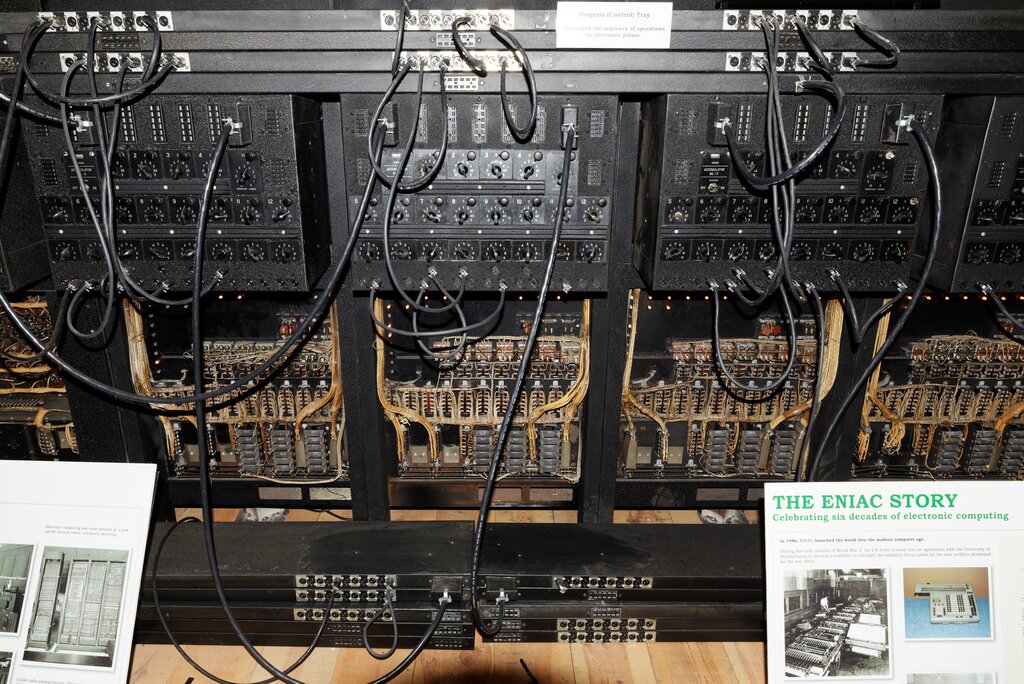
The first electronic computers emerged in the mid-20th century. Machines like ENIAC were colossal, filling entire rooms and using thousands of vacuum tubes. They were built for specific, complex tasks like calculating artillery firing tables during World War II.
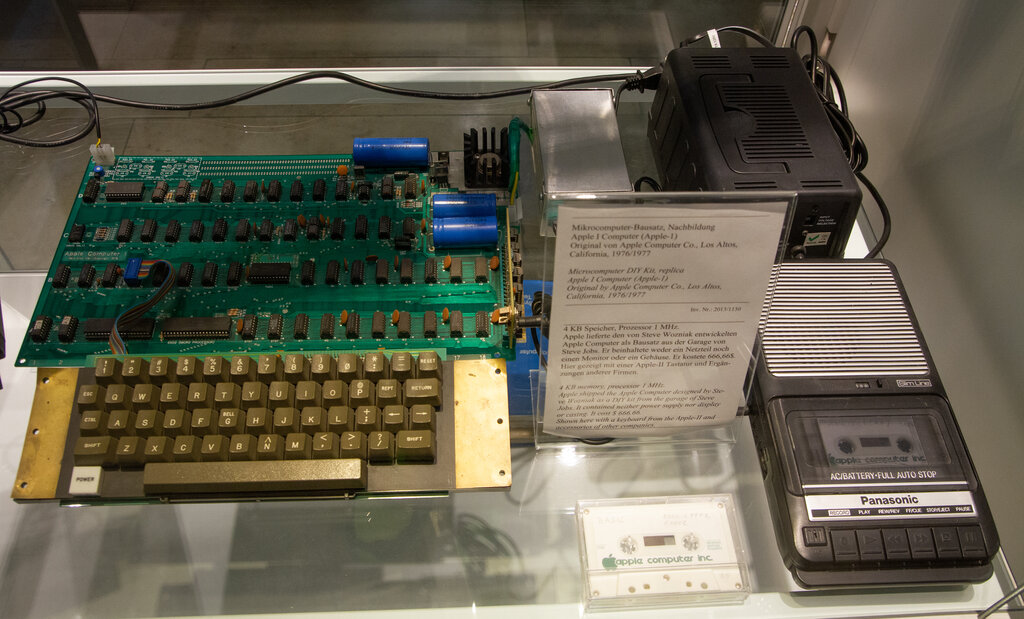
The invention of the transistor and later the integrated circuit made it possible to build smaller, cheaper, and more powerful computers. This led to the personal computer (PC) revolution in the 1970s and 80s, bringing computing from giant labs into our homes and offices.
Today, we carry computers in our pockets that are millions of times more powerful than the room-sized machines of the past. This incredible evolution has changed how we work, communicate, and live.
Now that you know what a computer is and where it came from, let's test your knowledge.
What are the three fundamental steps a computer performs in its basic model of operation?
Tiny, specialized computers found in devices like cars, TVs, and microwaves are known as:
From room-sized calculators to pocket-sized assistants, computers have come a long way. Understanding their basic purpose—turning data into useful information—is the first step to understanding the technology that shapes our world.