Computer Basics Explained
Introduction to Computers
What Is a Computer?
At its heart, a computer is a machine that processes information. It takes in data (input), follows a set of instructions to work with that data (process), and then produces a result (output). Think of it like a very fast and obedient chef. You give it ingredients (input) and a recipe (the instructions, or program), and it gives you a finished dish (output).
This basic cycle—input, process, output—is the foundation of everything a computer does, from simple math problems to running complex video games. Computers also have memory, which allows them to store information and recall it later. This ability to store and execute complex sets of instructions is what makes them so powerful and versatile.
A Quick Trip Through Time
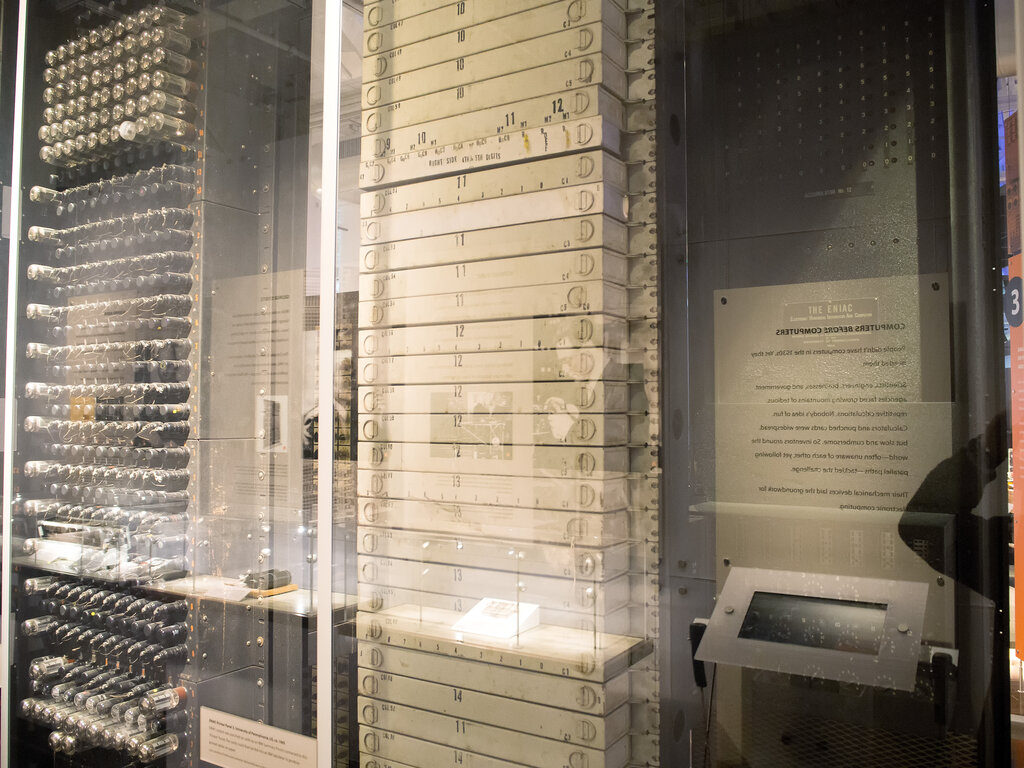
Computers didn't always fit on our desks, let alone in our pockets. The earliest electronic computers were enormous, room-sized machines that relied on thousands of fragile glass vacuum tubes. They were incredibly expensive and used mostly for specialized scientific and military calculations.
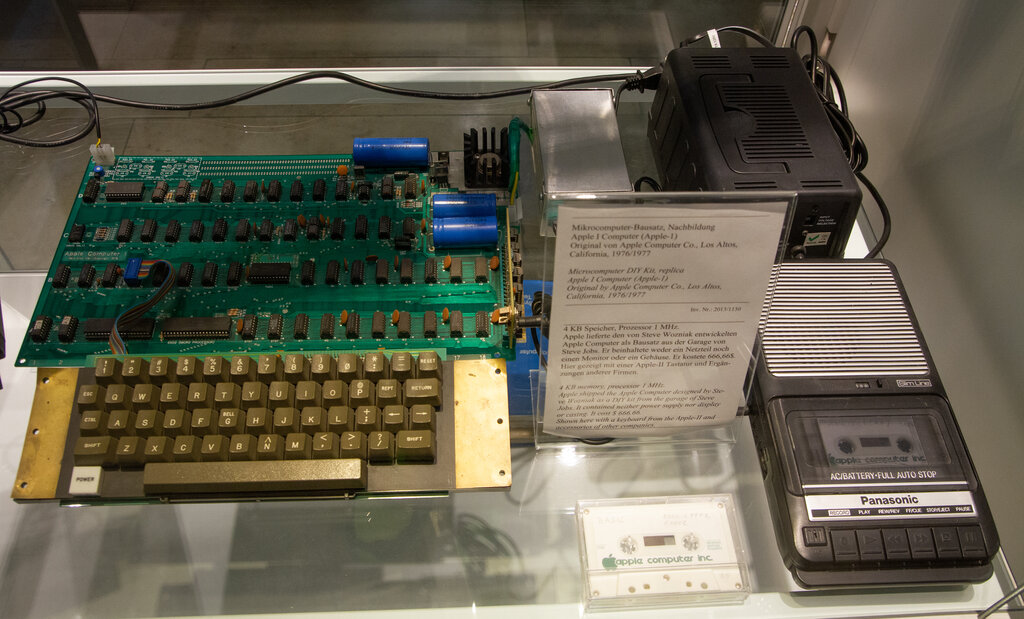
The game changed with the invention of the transistor in the 1940s, followed by the integrated circuit, or microchip, in the late 1950s. These tiny silicon chips could hold thousands, and eventually billions, of transistors. This breakthrough made it possible to build computers that were dramatically smaller, faster, cheaper, and more reliable. It paved the way for the personal computer (PC) revolution of the 1970s and 80s, bringing computing power into homes and offices for the first time.
Computers in Many Forms
Today, computers come in all shapes and sizes, each designed for different needs. While they all operate on the same basic principles, their form factor is tailored to their function. The most common types you'll encounter are desktops, laptops, and servers.
| Type | Primary Use | Key Features |
|---|---|---|
| Desktop | Fixed location (home/office) | Large screen, powerful components, highly customizable |
| Laptop | Mobile computing | Portable, all-in-one design with built-in battery |
| Server | Storing & sharing data | Runs 24/7, powerful, no direct user interface |
A desktop computer is designed to stay in one place. It usually consists of a separate tower (containing the main components), a monitor, a keyboard, and a mouse. Because of their size, desktops often have more powerful components and are easier to upgrade than other types of computers.
A laptop is a portable, all-in-one computer. The screen, keyboard, and processing components are all housed in a single, foldable unit powered by a rechargeable battery. Laptops are designed for people who need to work or access information on the go.
A server is a high-performance computer that provides services or resources to other computers over a network. You don't interact with a server directly with a screen and keyboard. Instead, it works behind the scenes, storing websites, managing email, or running large databases. They are built for reliability and are designed to run continuously.
From massive room-sized machines to devices we carry in our pockets, the core idea of a computer—processing information—has remained the same, even as its form has changed dramatically.
Ready to check your understanding?
What are the three fundamental steps in how a computer processes information?
Which invention was the key technological breakthrough that allowed computers to become dramatically smaller, faster, and more reliable than the early room-sized machines?
Now that you understand the basic definition, history, and types of computers, you're ready to look closer at what's inside them.