Computer Architecture Essentials
Introduction to Computer Architecture
The Blueprint of a Computer
Think of a computer not as a magical box, but as a well-designed building. The architect's blueprint determines the layout of the rooms, how they connect, and the building's overall purpose. Computer architecture is that blueprint. It's the fundamental design that dictates how all the physical pieces, the hardware, work together.
Computer Architecture
noun
The design and organization of a computer system's hardware components and their interconnections, which determines the system's functionality, performance, and capabilities.
This blueprint is crucial because it defines what the computer can do and how efficiently it does it. It's the bridge between the software you use every day, like your web browser, and the silicon chips that make it all happen. A good architecture allows for a fast, efficient system, while a poor one can lead to bottlenecks and slow performance.
The Core Components
Every computer, from a massive supercomputer to the smartphone in your pocket, is built around three fundamental components. These parts work in concert to run programs and manage data.
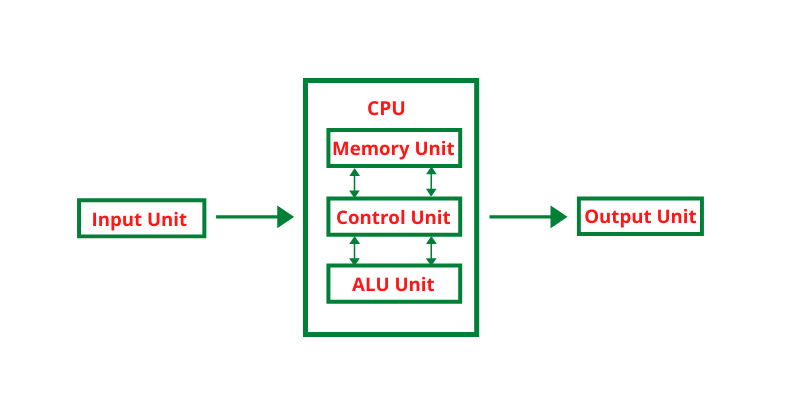
Central Processing Unit (CPU): This is the brain of the operation. The CPU is responsible for executing commands and processing data. It fetches instructions from memory and performs the calculations and logical operations needed to carry them out. Think of it as the chef in a kitchen, following a recipe to prepare a meal.
Memory (RAM): This is the computer's short-term workspace. When you open an application or a file, it's loaded from long-term storage (like a hard drive) into memory, also known as RAM (Random Access Memory). The CPU needs quick access to this data and the program instructions to work efficiently. The more memory a computer has, the more tasks it can juggle at once without slowing down. But remember, this memory is volatile; when the power goes off, everything in it is cleared.
Input/Output (I/O) Systems: These are the computer's senses and voice. They allow the machine to interact with the outside world. Input devices, like a keyboard, mouse, or microphone, send information into the computer. Output devices, such as a monitor, printer, or speakers, send information out.
The Language of Hardware
How does software, which is just a set of abstract instructions, tell physical hardware what to do? It communicates through a specific, limited vocabulary that the CPU is built to understand. This vocabulary is called an instruction set.
Instruction Set
noun
The complete collection of commands that a central processing unit (CPU) can understand and execute. It defines the basic operations the processor can perform.
Imagine you have a simple robot that only understands four commands: MOVE, PICK UP, TURN LEFT, and DROP. That's its instruction set. You can't tell it to "build a chair." Instead, you have to break that complex task down into a sequence of simple commands it understands.
Computer programs work the same way. A high-level programming language like Python or Java gets translated, or compiled, into a long series of these basic hardware instructions. Each instruction is a tiny operation, like adding two numbers, moving data from one location to another, or making a decision based on a value. The combination of millions of these simple instructions creates the complex applications we use every day.
The instruction set is the critical link between hardware and software. The software must be written to use the instructions the hardware provides, and the hardware must be designed to execute the instructions the software will use.
This interaction is a perfect dance. The operating system, like Windows or macOS, manages the hardware resources and provides services to your applications. When you click save in a document, the application tells the operating system, which then uses the CPU's instruction set to direct the hardware to write the data to your storage drive. Every action you take is a cascade of communication, flowing from software to hardware and back again, all guided by the computer's underlying architecture.
Let's check your understanding of these core concepts.
What is the primary role of the Central Processing Unit (CPU) in a computer?
According to the provided text, computer architecture is most like a: