Computer and Electronics Technology Fundamentals
Introduction to Electronics
The World of Electronics
At its heart, electronics is all about controlling the flow of tiny particles called electrons. Everything from your phone to your television works by guiding these particles through complex pathways to perform tasks. To understand electronics, we first need to understand the electron.
Electrons in Motion
Electrons are negatively charged particles that orbit the nucleus of an atom. In certain materials, these electrons aren't tightly bound to their atoms. They can be pushed along, creating a flow of charge. This flow is what we call electric current.
Materials that allow electrons to move freely are called conductors. Metals like copper and silver are excellent conductors, which is why they're used for wires. On the other hand, materials that hold their electrons tightly are called insulators. Rubber, glass, and plastic are good insulators; they stop the flow of current, which is why they're used to cover wires and keep us safe.
Conductors let electrons flow easily. Insulators stop them.
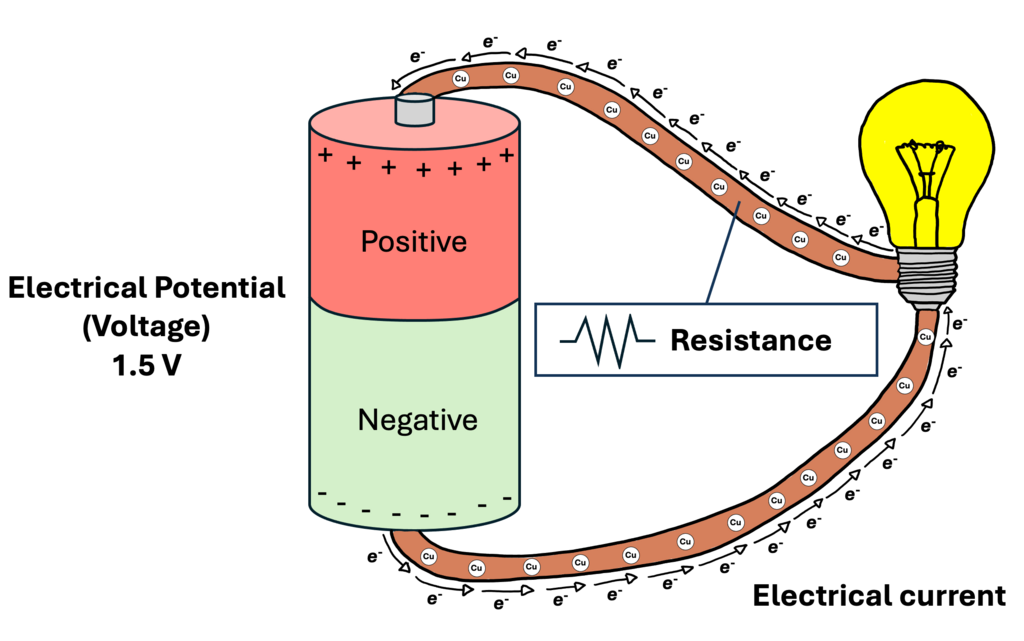
The force that pushes electrons along is called voltage, and the opposition to their flow is called resistance. Think of it like water in a pipe. Voltage is the water pressure, current is the flow rate, and resistance is how narrow the pipe is.
The Material in the Middle
For a long time, there were just conductors and insulators. But the electronics revolution began with a third type of material: the semiconductor. As the name suggests, a semiconductor can act as both a conductor and an insulator.
Silicon is the most famous semiconductor. In its pure state, it's an insulator. But by adding tiny amounts of impurities, a process called doping, we can change its properties and control its ability to conduct electricity. This control is the foundation of all modern electronics.
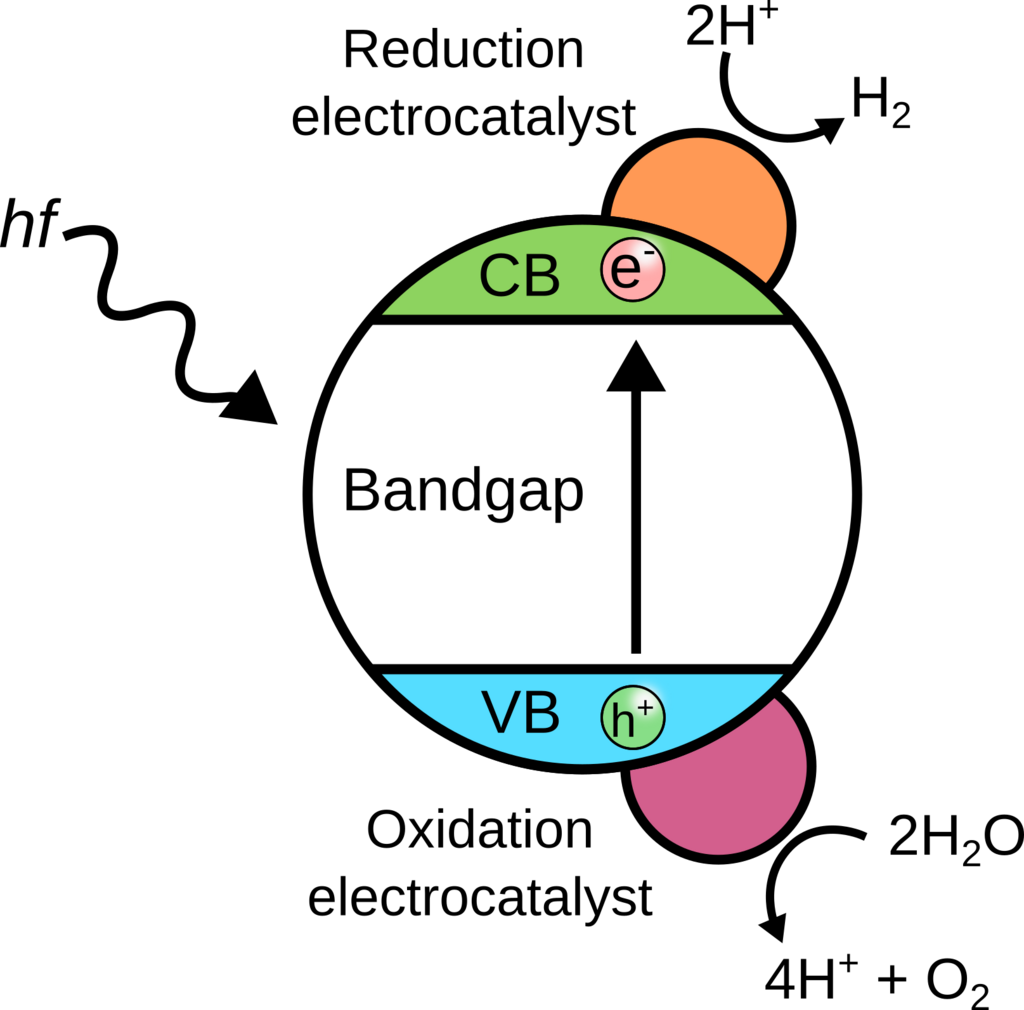
This ability to switch a material from an insulator to a conductor allows us to create microscopic switches, which are the basis for computer logic.
The Building Blocks
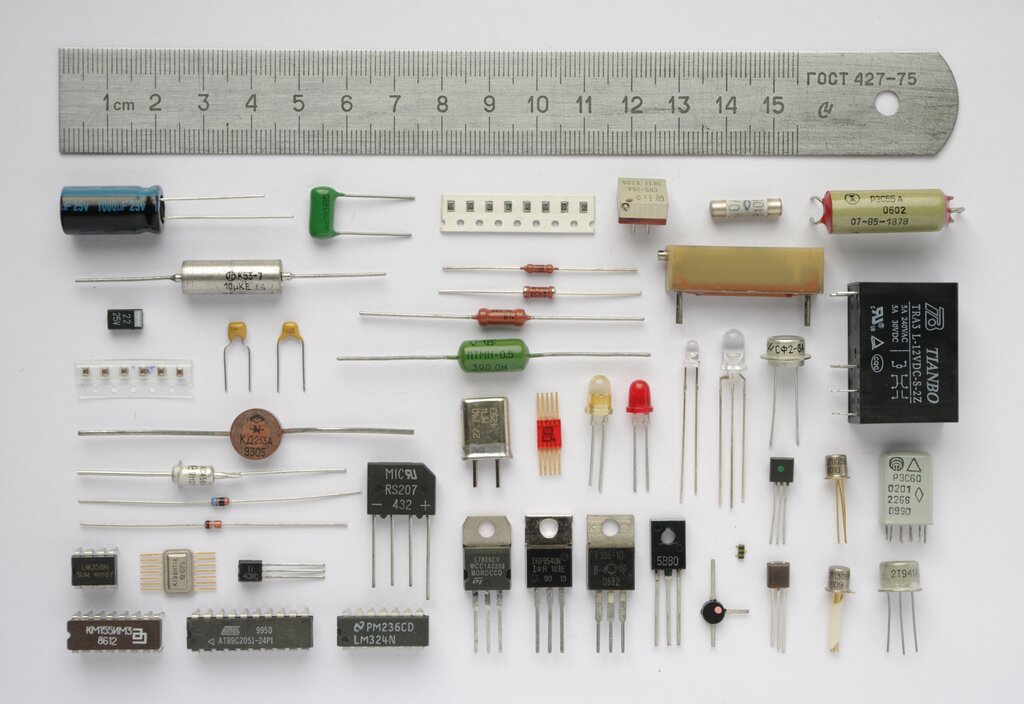
Components are the building blocks of electronics.
Simple components are combined to create circuits that perform specific jobs. There are thousands of different components, but a few are fundamental.
resistor
noun
A component designed to resist the flow of electric current. It's used to control the amount of current going to other parts of a circuit.
Resistors are like the narrow pipes in our water analogy. They limit the flow.
capacitor
noun
A component that stores electrical energy in an electric field. It can charge up and then release its stored energy quickly.
Capacitors act like small, temporary water tanks, storing pressure and releasing it when needed.
diode
noun
A semiconductor device that essentially acts as a one-way switch for current. It allows current to flow easily in one direction but severely restricts it from flowing in the opposite direction.
A diode is a one-way valve. Water can flow through it one way, but not the other.
transistor
noun
A semiconductor device used to amplify or switch electronic signals and electrical power. It is the fundamental building block of modern electronic devices.
Transistors are the most important invention here. They are electrically controlled switches or valves. A small current can control a much larger current, allowing them to act as either an amplifier or a switch.
Putting It Together
By connecting these components, we create an electronic circuit—a complete path for current to flow. Even the simplest circuits can do useful things. For example, a battery, a resistor, and a light-emitting diode (LED) create a simple light.
In this circuit, the battery provides the voltage. The resistor limits the current to protect the LED. The LED, a type of diode, lights up when current passes through it. From this simple starting point, circuits can grow in complexity to become the brains of a computer or the heart of a communication system.
Understanding these basic parts is the first step. Every complex electronic device you use is built from these same fundamental principles of controlling electrons.
Ready to check your understanding?
What is the term for the flow of electrons through a material?
In the common analogy of water flowing through a pipe, if voltage is the water pressure, what does resistance represent?
With these concepts in hand, you're ready to explore how these simple building blocks create the complex technology that powers our world.