Comprehensive Sexual Health and Intimacy
Sexual Response Models
Models of Sexual Response
Understanding human sexuality goes beyond basic anatomy. It involves mapping the complex physiological and psychological journey the body takes in response to sexual stimuli. Early attempts to chart this territory resulted in linear, stage-based models that provided a foundational, if somewhat rigid, framework for a process that is deeply personal and varied.
The Classic Four-Phase Model
In the 1960s, researchers William H. Masters and Virginia E. Johnson pioneered the direct observation of human sexual response. Their work produced a landmark four-stage model that became the standard for decades. This model describes a linear progression through distinct phases, driven by two core physiological processes: and myotonia.
Myotonia is increased muscle tension. It builds throughout the body during arousal, from involuntary contractions to the voluntary muscle spasms that characterise orgasm.
The four phases are:
- Excitement: The initial phase, triggered by physical or psychological stimuli. Heart rate, breathing, and blood pressure increase. Vasocongestion begins, leading to erection of the penis and clitoris, and vaginal lubrication.
- Plateau: Arousal intensifies. The changes from the excitement phase are magnified. Myotonia becomes more pronounced, and involuntary movements or vocalisations may begin.
- Orgasm: The climax of the sexual response. It involves a series of rhythmic muscular contractions in the pelvic region, accompanied by an intense, pleasurable sensation. In males, this is typically when ejaculation occurs.
- Resolution: The body gradually returns to its unaroused state. Vasocongestion and myotonia subside. This phase includes a for males, during which another orgasm is not possible.
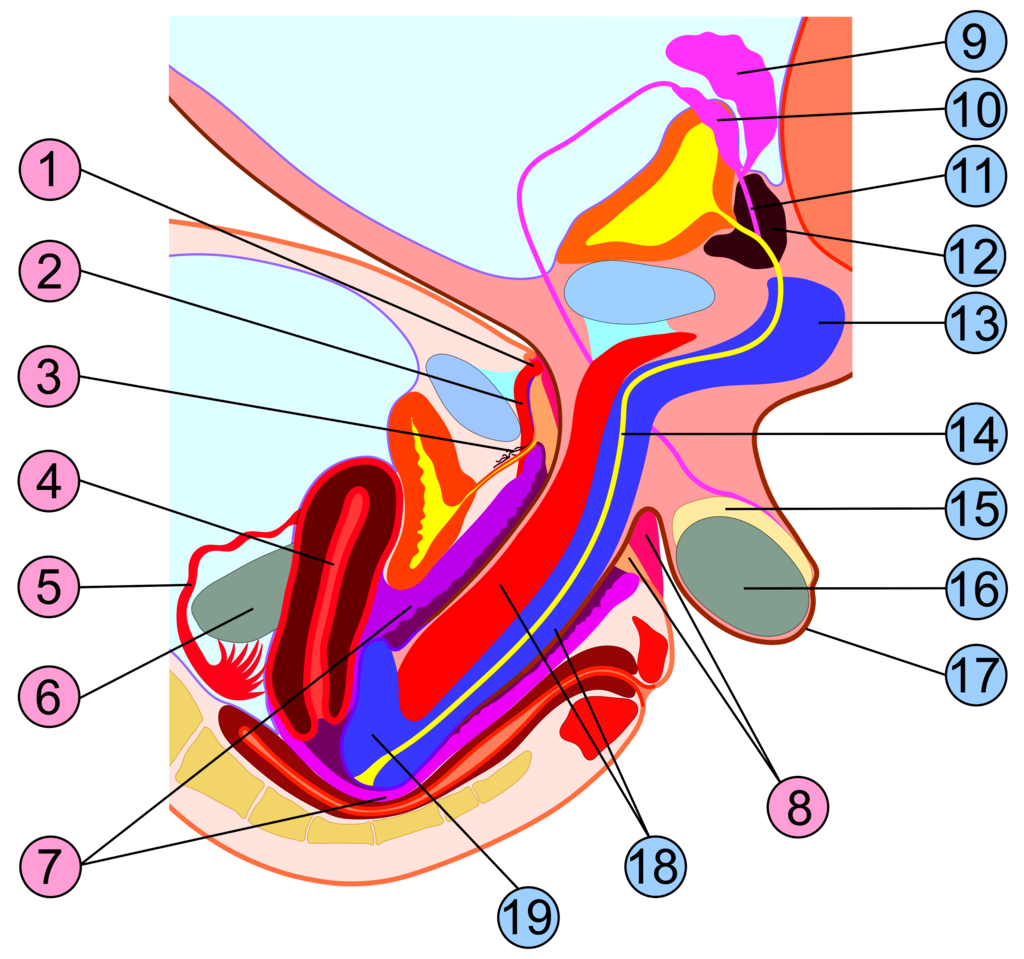
A More Nuanced View
While groundbreaking, the Masters and Johnson model has its limits. It implies that all sexual experiences start with spontaneous desire and follow a predictable path to orgasm. This doesn't capture the full spectrum of human experience, particularly for many women, where desire can be more complex.
Dr. proposed a non-linear, circular model that better reflects this complexity. It acknowledges that for many, especially those in long-term relationships, the starting point isn't always spontaneous desire. Instead, intimacy can begin from a state of sexual neutrality.
In this model, a person might engage in sexual activity for reasons other than innate lust, such as a desire for emotional closeness. The physical stimulation then leads to arousal, which in turn sparks desire. This is called responsive desire, as it arises in response to stimuli, rather than preceding it. If the experience is emotionally and physically satisfying, it reinforces the willingness to be intimate again in the future, creating a feedback loop.
The Nervous System's Role
The physical changes during the sexual response cycle are orchestrated by the autonomic nervous system, which has two main branches with generally opposing functions: the sympathetic and parasympathetic systems.
- Parasympathetic System (Rest and Digest): This system takes the lead during the excitement and plateau phases. It promotes relaxation and increases blood flow to the genitals, driving vasocongestion. Think of it as the 'accelerator' for arousal.
- Sympathetic System (Fight or Flight): This system takes over for the grand finale. The intense, body-wide response of orgasm, including ejaculation in males, is a sympathetic nervous system event. It's a sudden burst of activity, like flooring the accelerator for a moment.
After orgasm, the parasympathetic system helps guide the body back to its resting state during the resolution phase.
This interplay helps explain why stress and anxiety, which activate the sympathetic system, can inhibit arousal. It's difficult to get the 'accelerator' of the parasympathetic system going when the 'fight or flight' response is already active.
Ultimately, these models are just maps. The actual territory of sexual experience is unique to each individual, influenced by psychology, relationship dynamics, and overall health.
Now, let's see what you've learned about these models of sexual response.
According to Masters and Johnson's model, what are the two core physiological processes that drive the human sexual response?
Which phase of the sexual response cycle is characterised by a series of rhythmic muscular contractions in the pelvic region and is the peak of sexual excitement?