Comprehensive Sexual Health and Intimacy
Sexual Response Models
From Linear to Circular
For decades, our understanding of sexual response was dominated by a simple, linear model. Pioneered by William H. Masters and Virginia E. Johnson in the 1960s, this framework broke the human sexual response into four distinct physiological stages: excitement, plateau, orgasm, and resolution. Think of it as a straightforward path with a clear beginning, middle, and end.
This model was revolutionary for its time, providing a much-needed physiological baseline for sexual health. It confirmed that male and female responses follow a similar pattern and helped destigmatize conversations about sex. However, the model has a significant limitation: it almost always assumes that spontaneous desire is the starting gun for any sexual encounter.
For many people, especially those in long-term relationships, desire doesn't always show up first. Sometimes, intimacy and arousal need to come before the feeling of "wanting" it. This realization led to the development of a more nuanced, circular model.
The Role of Responsive Desire
Dr. proposed a circular model of sexual response, primarily to better reflect the experiences of many women. In this framework, the cycle doesn't necessarily begin with spontaneous desire. Instead, it can start with a state of sexual neutrality. A person might decide to become sexual for reasons of intimacy, connection, or just curiosity.
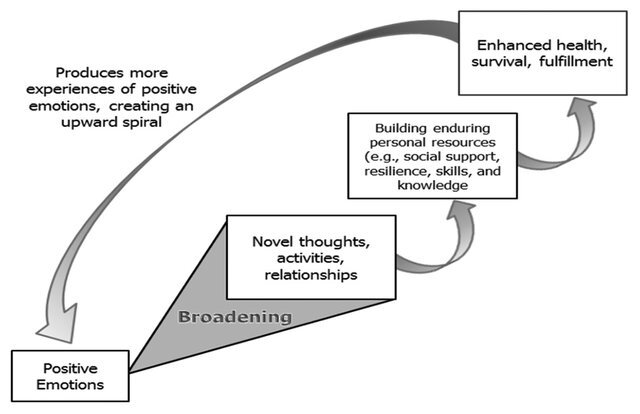
Once they engage in sexual stimuli—kissing, touching, emotional intimacy—they may experience arousal. This physical and mental arousal can then spark desire. If the experience is physically and emotionally satisfying, it creates a positive feedback loop, making the individual more receptive to sexual intimacy in the future. This concept is known as responsive desire: desire that arises in response to arousal, rather than preceding it.
Spontaneous desire is when you want sex out of the blue. Responsive desire is when you become open to sex and then want it as you get aroused.
This doesn't mean spontaneous desire is irrelevant. Many people experience both types. However, the circular model validates the experience of needing to "warm up" to the idea of sex. It highlights that psychological and relational context is just as important as the physical mechanics. Feelings of trust, emotional safety, low stress, and positive body image all contribute to a person's willingness to enter the cycle and their ability to find satisfaction within it.
When Mind and Body Disagree
Another layer of complexity is the concept of This term describes the common phenomenon where your genital response doesn't match your subjective feeling of being turned on. For example, a person can have physical signs of arousal (like an erection or vaginal lubrication) without feeling any psychological desire, and vice versa.
This disconnect is perfectly normal and is more common in women, but it happens to people of all genders. It's another reason why linear, purely physiological models fall short. They can't account for the fact that the mind and body aren't always in sync. Understanding arousal non-concordance is crucial because it helps to normalize experiences that might otherwise cause confusion or distress. Physical arousal is not consent, nor is it a perfect indicator of desire.
Ultimately, moving from a single linear model to a more flexible framework that includes both linear and circular patterns provides a more compassionate and accurate view of human sexuality. It acknowledges that there is no single "right" way to experience desire and arousal. Understanding these different models allows for better communication with partners and a healthier, more realistic perspective on one's own sexual experiences.
What is a primary limitation of the traditional four-stage linear model of sexual response pioneered by Masters and Johnson?
According to Dr. Rosemary Basson's circular model, a sexual experience can begin from a state of sexual neutrality, prompted by a desire for intimacy or connection.