Comprehensive Sailing Mastery
Sailing Basics
The Language of the Sea
Before you can sail a boat, you need to speak its language. The world of sailing has its own vocabulary, which is essential for clear communication on the water. Let's start with the basics of direction.
port
noun
The left side of a boat when you are facing forward.
An old sailor's trick to remember this is that "port" and "left" both have four letters.
starboard
noun
The right side of a boat when you are facing forward.
Two other crucial terms relate to the wind's direction.
| Term | Meaning |
|---|---|
| Windward | The direction the wind is coming from. |
| Leeward | The direction the wind is blowing toward. |
If you're facing into the wind, you're looking windward. The direction behind you is leeward. These terms are fundamental to steering a sailboat.
Know Your Vessel
A sailboat might seem complex, but it's made of a few key parts working together. Understanding them is the first step to understanding how it all works.
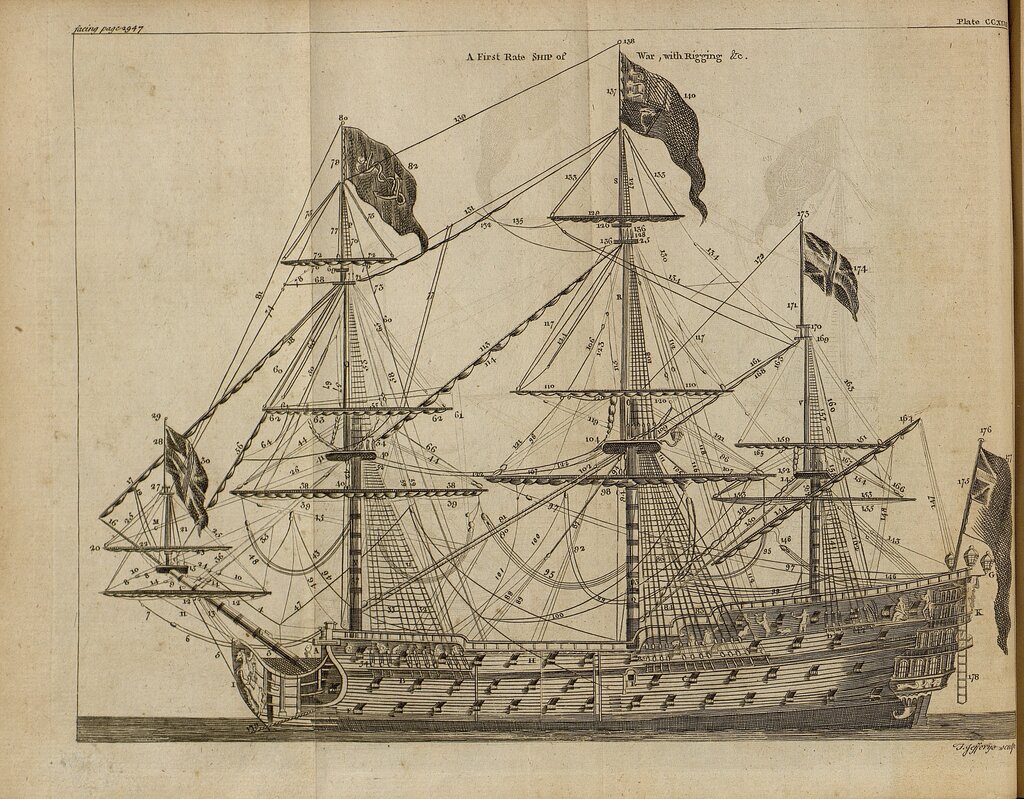
Let's break down the main components.
- Hull: This is the body of the boat. It provides buoyancy, keeping the boat afloat.
- Keel: A weighted fin on the bottom of the hull. It prevents the boat from being pushed sideways by the wind and provides stability to keep it from tipping over.
- Rudder: A hinged blade at the back of the boat, used for steering.
- Mast: The tall, vertical pole that supports the sails.
- Boom: The horizontal pole that extends from the bottom of the mast. It holds the bottom edge of the mainsail.
- Sails: These are the boat's engine. Most simple sailboats have two: the mainsail (the larger sail behind the mast) and the jib (a smaller, triangular sail in front of the mast).
How a Sailboat Moves
It’s a common misconception that the wind simply pushes a sailboat forward. While that's true when sailing directly downwind, the real magic happens when sailing into the wind. A sail works much like an airplane's wing, but turned on its side.
A sail is an airfoil. It generates lift, pulling the boat forward.
As wind flows across both sides of the curved sail, it has to travel farther and faster over the outside (leeward) surface. This difference in speed creates a pressure differential. The air pressure on the inside (windward) of the sail becomes higher than the pressure on the outside. This creates a force called lift, which pulls the boat forward and sideways.
But if the sail pulls the boat sideways, what keeps it moving forward? That’s where the keel and rudder come in. The keel, deep in the water, resists the sideways motion, a concept known as lateral resistance. Since the boat can't move easily sideways, the force from the sail is channeled forward.
The combination of lift from the sails and lateral resistance from the keel is what allows a sailboat to move forward, even when heading at an angle against the wind.
Mastering basics is critical to progressing safely.
With these fundamentals, you have the building blocks to understand everything else in sailing. Let's test your knowledge.
If you are standing at the back of the boat looking forward, which side is 'port'?
Which part of the boat is primarily responsible for steering?
Understanding these core concepts is your first major step toward becoming a capable sailor.