Comprehensive Japanese Language Path
Writing Systems
The Kana Foundation
Japanese uses three main scripts, but the two phonetic ones, Hiragana and Katakana, form the bedrock. Collectively known as kana, these are syllabaries, where each character represents a syllable (like 'ka', 'shi', 'mu') rather than a single letter. Mastering kana is the first essential step, allowing you to read and write any Japanese word phonetically.
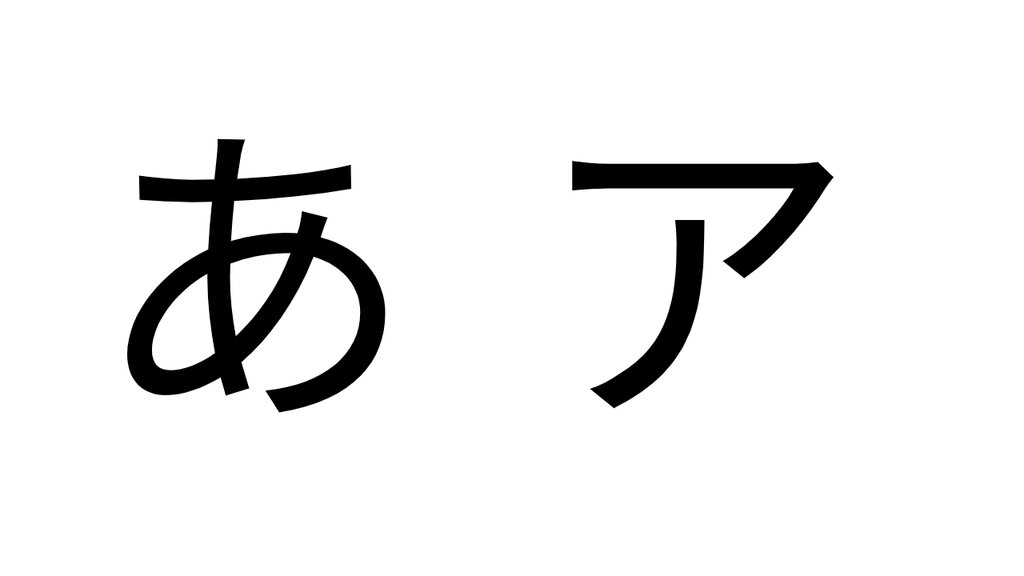
Hiragana is characterized by its cursive, flowing strokes, while Katakana is more angular and sharp. Though they represent the exact same set of sounds, they serve different purposes.
Hiragana: The Native Script
Hiragana (ひらがな) is the primary script you'll encounter. It's used for native Japanese words, grammatical particles, and verb and adjective endings. Think of it as the glue that holds Japanese sentences together. Each of the 46 basic characters has a specific stroke order. Following this order isn't just about neatness; it ensures your writing is legible and balanced, and it makes writing faster once you build muscle memory.
Mnemonics are a powerful tool for memorizing characters. For example, many see the Hiragana character に (ni) as a 'knee,' or む (mu) as a cow mooing. Finding or creating these visual hooks will dramatically speed up your learning.
Katakana and Sound Changes
Katakana (カタカナ) uses the same phonetic map as Hiragana but is reserved for specific situations. Its primary role is to write foreign , such as コンピューター (konpyūtā, computer) and タクシー (takushī, taxi). It's also used for onomatopoeia, scientific names, and for adding emphasis, similar to how we use italics.
Both Hiragana and Katakana can be modified to create additional sounds. Two small marks, the dakuten and handakuten, alter the consonant sounds of certain characters.
| Base Kana | With Dakuten (゛) | Sound Change | With Handakuon (゜) | Sound Change |
|---|---|---|---|---|
| か (ka) | が (ga) | k → g | ||
| さ (sa) | ざ (za) | s → z | ||
| た (ta) | だ (da) | t → d | ||
| は (ha) | ば (ba) | h → b | ぱ (pa) | h → p |
The dakuten (濁点), or "ten-ten," looks like a small quotation mark (゛) and typically voices a consonant (e.g., k → g, s → z). The handakuten (半濁点), or "maru," is a small circle (゜) and is only used with 'h' sounds to change them to 'p' sounds.
Building Complex Sounds
Japanese phonetics are consistent, but there are a few rules for combining sounds.
Long Vowels: Vowels can be elongated, and this changes a word's meaning. In Hiragana, this is usually done by adding another vowel character. In Katakana, a simple dash (ー) is used. • おばさん (obasan) = aunt • おばあさん (obāsan) = grandmother • ビル (biru) = building • ビール (bīru) = beer
Double Consonants: To double a consonant sound, a small 'tsu' character (っ in Hiragana, ッ in Katakana) is placed before the consonant. This creates a short, sharp pause. For example, きて (kite) means 'come,' but きって (kitte) means 'stamp.' This is known as a
Contracted Sounds (Yōon): Small versions of や (ya), ゆ (yu), or よ (yo) can be combined with kana ending in 'i' to create contracted sounds. For example, き (ki) + ゃ (ya) becomes きゃ (kya), a single, quick syllable.
| Base Kana (i-column) | + ゃ (ya) | + ゅ (yu) | + ょ (yo) |
|---|---|---|---|
| き (ki) | きゃ (kya) | きゅ (kyu) | きょ (kyo) |
| し (shi) | しゃ (sha) | しゅ (shu) | しょ (sho) |
| ち (chi) | ちゃ (cha) | ちゅ (chu) | ちょ (cho) |
| に (ni) | にゃ (nya) | にゅ (nyu) | にょ (nyo) |
These combinations might seem complex at first, but they follow a logical and consistent pattern. With these rules, you now have the complete toolkit to read and write virtually any sound in the Japanese language. From here, you can begin to build your vocabulary and tackle grammar.