Comprehensive Guide to Quitting Smoking
Understanding Nicotine Addiction
How Nicotine Hooks You
When you use a tobacco product, nicotine enters your bloodstream and travels to your brain in seconds. Once there, it mimics a natural chemical in your brain and plugs into specific receptors. This triggers a release of dopamine, a neurotransmitter that makes you feel pleasure and satisfaction. It’s the brain's way of saying, "That was good, do it again."
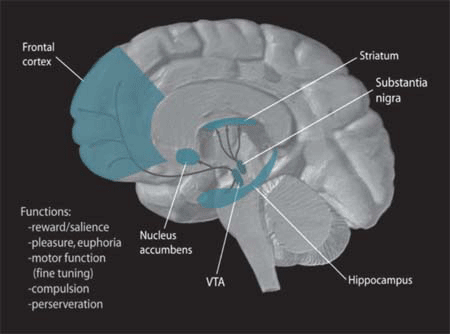
Your brain quickly adapts to these regular hits of nicotine-induced dopamine. It starts to see this elevated level as the new normal and even grows more nicotine receptors. Over time, your brain begins to rely on nicotine to release dopamine, and you need more nicotine more often to get the same pleasant feeling. This is tolerance.
Eventually, your brain feels off-balance without nicotine. When the levels drop, it sends out signals that you interpret as cravings and withdrawal symptoms. This creates a powerful cycle: you feel bad without nicotine, so you use it again to feel normal, reinforcing the addiction.
The cycle of using tobacco in order to get nicotine to release chemicals in the brain to prevent withdrawal is what leads to tobacco addiction.
Body and Mind Dependence
Nicotine addiction isn't just in your head; it has real, physical effects on your body. When nicotine hits your system, it gives you a temporary kick by stimulating the adrenal glands. This releases adrenaline, which increases your heart rate, breathing, and blood pressure. For a moment, you might feel more alert or focused.
But this dependence is also psychological. You start to associate using tobacco with certain parts of your daily life. It might be your morning coffee, a break at work, or the end of a meal. These moments become triggers. Your brain learns to expect nicotine in these situations, and when it doesn't get it, the craving kicks in. Stress, boredom, or even seeing someone else smoke can also act as powerful triggers.
This psychological link can be just as strong as the physical one. Breaking the habit means rewiring the daily routines and emotional connections you've built around tobacco.
The Withdrawal Hurdle
When you stop using tobacco, your body and brain have to adjust to the absence of nicotine. This process is called withdrawal, and while it's a positive sign that your body is healing, it can be uncomfortable.
The symptoms are a direct result of your brain's dependence. Without nicotine, dopamine levels drop, leading to feelings of irritability and anxiety. Your brain is essentially demanding the chemical it has grown used to. These symptoms are temporary, but they are often the biggest challenge people face when trying to quit.
| Symptom | What It Feels Like |
|---|---|
| Cravings | An intense urge to use tobacco. |
| Irritability & Anxiety | Feeling on edge, frustrated, or worried. |
| Difficulty Concentrating | Trouble focusing on tasks; feeling foggy. |
| Increased Appetite | Feeling hungrier than usual, often craving sweets. |
| Restlessness | Feeling fidgety or unable to sit still. |
| Depressed Mood | Feeling down, sad, or lacking motivation. |
| Trouble Sleeping | Difficulty falling asleep or staying asleep. |
Everyone experiences withdrawal differently. For some, the physical symptoms are the toughest part. For others, it's the mental challenge of fighting cravings and navigating social situations without tobacco. Knowing what to expect can make the process feel more manageable.
How does nicotine primarily create a feeling of pleasure in the brain?
What is meant by 'tolerance' in the context of nicotine use?
Understanding how nicotine addiction works is the first step toward breaking free from it. Your body and brain can and will recover.