Comprehensive Chemistry Journey
Introduction to Chemistry
The Study of Stuff
At its heart, chemistry is the study of matter. Matter is just the physical stuff that makes up everything in the universe. Your phone, the air you breathe, the water you drink – it’s all matter.
Chemistry explores what this stuff is made of, what its properties are, and how it changes. When you cook an egg, the liquidy, transparent egg white turns solid and white. That’s a chemical change. When you dissolve sugar in tea, the sugar seems to disappear, but it's still there. That's a physical change. Chemistry explains why and how these things happen.
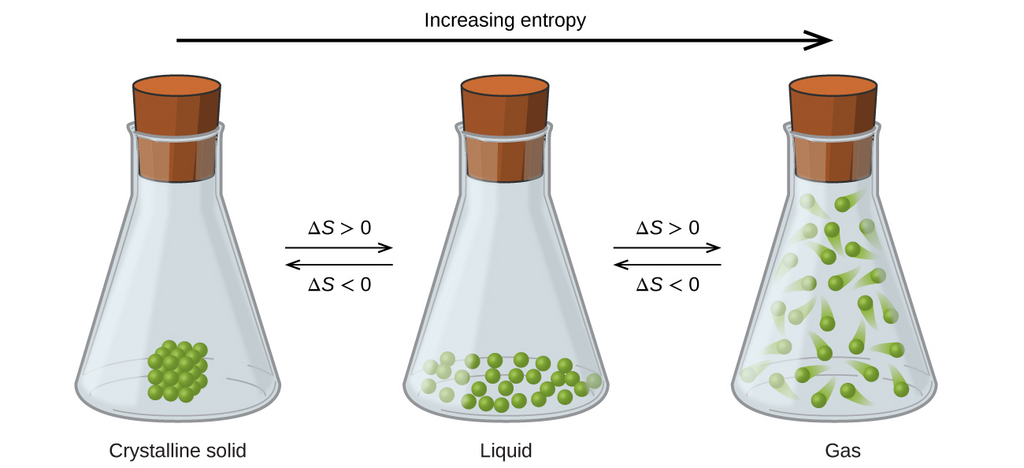
Understanding these changes is fundamental. It helps us develop new medicines, create stronger materials for buildings, and find better ways to produce energy. It’s a central science that connects physics, biology, geology, and environmental science.
How Science Works
Chemists, like all scientists, use a structured approach to understand the world called the scientific method. It’s not a rigid checklist, but a general process for asking questions and testing ideas logically.
Imagine you see your bread dough rising. That's an observation. You might ask, "What makes it rise?" That's your question.
You propose an answer: "Yeast in the dough creates a gas that inflates it." This testable explanation is a hypothesis. To test it, you design an experiment: make one batch of dough with yeast and another without. You analyse the results and find that only the dough with yeast rose. Your hypothesis was supported. The final step is to report your findings.
Properties and Changes
Everything around us can be described by its properties and the changes it undergoes. These fall into two categories: physical and chemical.
Physical properties can be observed or measured without changing the substance's chemical identity. Think of colour, density, melting point, or texture.
Water, for example, is a clear liquid at room temperature. Its density is about 1 gram per cubic centimetre. It freezes at 0°C and boils at 100°C. These are all physical properties. You can observe them without turning the water into something new.
Chemical properties describe how a substance can change into a new substance. Examples include flammability, acidity, or reactivity with other chemicals.
You can't know that wood is flammable just by looking at it. You have to try to burn it. When wood burns, it turns into ash, smoke, and carbon dioxide. It becomes something completely different. Its ability to burn is a chemical property.
Just as there are two types of properties, there are two types of changes.
| Change Type | Description | Examples |
|---|---|---|
| Physical Change | Alters the form of a substance, but not its chemical composition. | Crushing a can, melting an ice cube, dissolving sugar in water, chopping wood. |
| Chemical Change | Results in one or more new substances with different properties. Often irreversible. | Burning wood, cooking an egg, rusting iron, digesting food. |
A key clue for a chemical change is the formation of a new substance. This might be indicated by a change in colour, the production of a gas (bubbles), the formation of a solid (a precipitate), or the release of heat or light.
Which of the following best defines chemistry?
You notice that your houseplants grow taller when they are placed in a sunny window compared to a shady corner. Proposing that 'sunlight causes plants to grow taller' is an example of which step in the scientific method?
These basic concepts are the building blocks of chemistry. By understanding them, you can start to see the world from a molecular point of view.