Composting Fundamentals
Composting Basics
Nature's Recycling Program
Composting is the simple process of breaking down organic waste, like food scraps and yard trimmings, into a rich, dark, soil-like material. Think of it as managed decomposition. Instead of sending waste to a landfill, you're creating a nutrient-packed amendment that brings life back to your soil.
Composting: It involves converting organic waste, such as kitchen scraps, yard trimmings, and animal manure, into nutrient-rich compost.
The main goal is to transform materials you'd otherwise throw away into a valuable resource for your garden, houseplants, or lawn. This finished product, called compost, improves soil structure, helps it retain moisture, and provides a slow-release source of essential nutrients for plants.
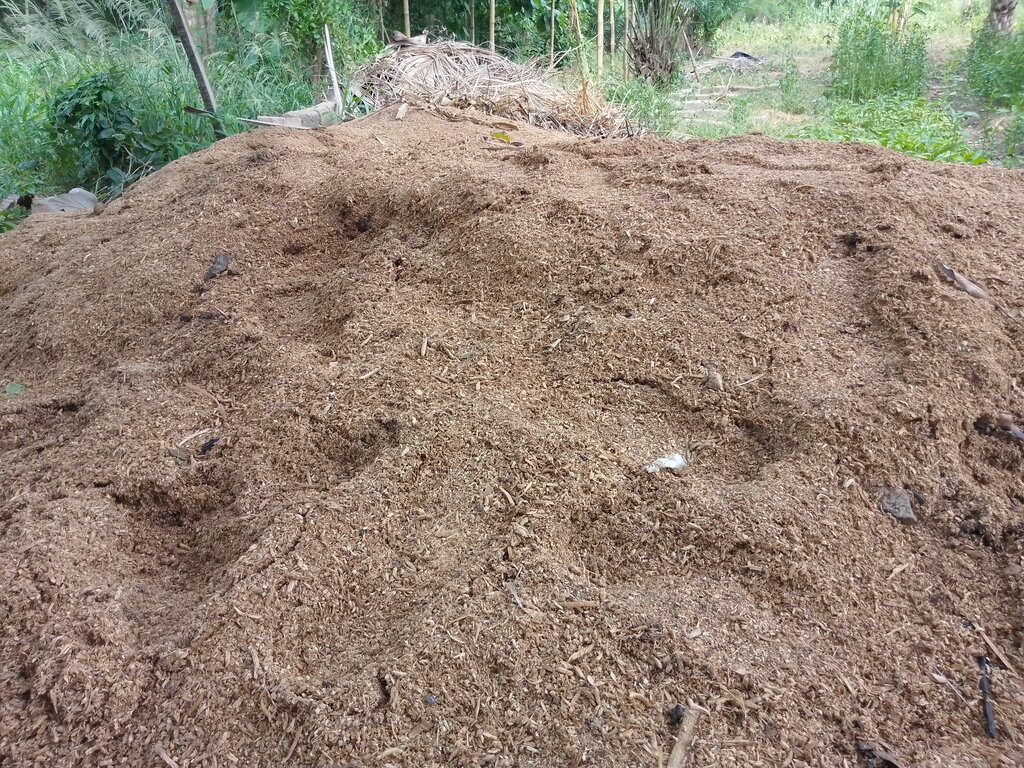
Why It Matters
Composting does more than just feed your plants. It has significant environmental benefits. When organic waste ends up in a landfill, it gets buried under tons of other trash, cut off from oxygen. This creates an anaerobic environment, meaning 'without air.' In these conditions, the waste breaks down very slowly and releases methane, a potent greenhouse gas that contributes to climate change.
By composting, you divert that waste from the landfill. You introduce oxygen into the decomposition process, which prevents methane production. It’s a small action in your backyard that has a direct impact on reducing harmful emissions and lightening the load on our waste management systems.
The Four Key Ingredients
Successful composting is like following a recipe. You need to balance four essential components: browns, greens, water, and oxygen.
The two most important ingredients are 'browns' for carbon and 'greens' for nitrogen.
Think of it as building a layered cake for microbes. Browns provide the carbon, which is the energy source. Greens provide the nitrogen, which is essential for growth and reproduction. Water keeps the process going, and oxygen keeps the right kind of microbes alive and working efficiently.
| Ingredient | Role | Examples |
|---|---|---|
| Browns (Carbon) | Energy Source | Dried leaves, twigs, cardboard, newspaper, wood chips |
| Greens (Nitrogen) | Protein for Microbes | Fruit & vegetable scraps, coffee grounds, grass clippings |
| Water | Sustains Life | Keeps the pile damp like a wrung-out sponge |
| Oxygen | Allows Aerobic Decomposition | Turning the pile introduces air |
Meet Your Microscopic Workforce
You aren't doing the work of composting alone. The real heavy lifting is done by a massive, invisible workforce of microorganisms. Bacteria, fungi, protozoa, and other tiny creatures are the engines of decomposition. When you create a compost pile with the right mix of browns, greens, water, and air, you're building the perfect habitat for them.

These microbes consume the carbon in the 'browns' for energy and the nitrogen in the 'greens' to build their bodies. As they eat, reproduce, and die, they transform your waste pile into stable, nutrient-rich humus. The heat you might feel coming from an active compost pile is a direct byproduct of all this metabolic activity. It’s a sign that your tiny workforce is happy and busy.
Now that you know the 'what' and 'why' of composting, let's test your understanding.
What is the primary environmental benefit of composting organic waste instead of sending it to a landfill?
In the 'recipe' for composting, 'Greens' are the primary source of nitrogen. What is the role of 'Browns'?
Understanding these core principles is the first step. With a good grasp of the basic recipe and the science behind it, you're ready to start turning waste into wonder.