Composing Memorable Musical Motifs
Understanding Musical Motifs
The Building Blocks of Melody
Think of your favorite song. What's the one part that gets stuck in your head? It might be a snippet of a melody, a memorable rhythm, or a specific chord change. That small, catchy musical idea is likely a motif.
Motif
noun
A short, recurring musical fragment or idea that has special importance in or is characteristic of a composition.
A motif is like a musical seed. It’s a brief, recognizable pattern of notes or rhythms that repeats throughout a piece. Because it’s so short, it's easy for our ears to latch onto. Composers use motifs as foundational elements, weaving them into the fabric of the music to create a sense of unity and guide the listener's ear. It's the musical equivalent of a character's catchphrase in a movie; it keeps showing up, reminding you of a central idea or feeling.
The power of a motif in music lies in its paradox: it’s small enough to remember yet flexible enough to build a symphony.
Motifs in Action
One of the most famous motifs in history is the opening of Beethoven's Fifth Symphony. Everyone knows it: three short notes followed by a long one. Da-da-da-DUM.
This simple rhythmic and melodic idea, often called the "Fate" motif, doesn't just appear at the beginning. Beethoven masterfully weaves it throughout the entire four-movement symphony. Sometimes it’s loud and thunderous, played by the full orchestra. Other times it's a quiet whisper from a single instrument. He changes its key, its rhythm, and its instrumentation, but it's always recognizable. This technique, called thematic development, is how a composer takes a simple idea and explores its full potential, creating a rich and cohesive musical journey.
Modern Motifs
Motifs are just as crucial in contemporary music, especially in film scores. Think of the two-note theme from Jaws. That simple, menacing interval is a motif that represents the shark. When you hear it, you feel a sense of dread, even if you can't see the shark on screen.
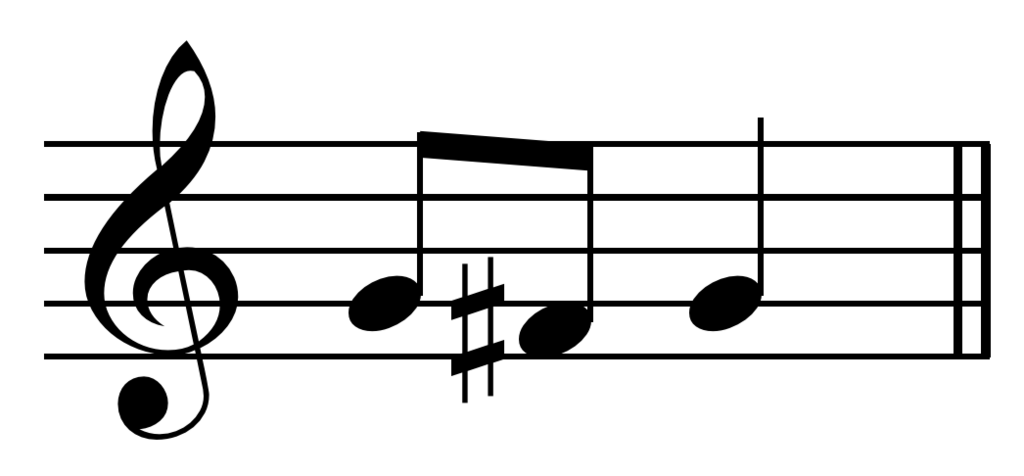
The same is true in pop music. A catchy guitar riff, a specific drum beat, or a recurring vocal line can all function as motifs. They make songs memorable and give them a strong identity. From the driving bassline in Queen's "Another One Bites the Dust" to the synthesizer hook in Daft Punk's "Around the World," these short, repeated ideas are the hooks that make us want to listen again and again.
Now that you know what motifs are, try listening for them. You'll start to hear these small musical building blocks everywhere, giving you a new appreciation for how your favorite music is constructed.
What is a musical motif?
The 'Fate' motif from Beethoven's Fifth Symphony is an example of what kind of pattern?