Composing in March Form
March Form Basics
The Purpose of a March
At its core, a march is music for moving. Its primary purpose is to provide a steady, rhythmic pulse that helps people walk in unison. This is why marches originated in military contexts, where they were used to keep soldiers in step during parades and on the battlefield. The music creates a sense of order, energy, and forward momentum.
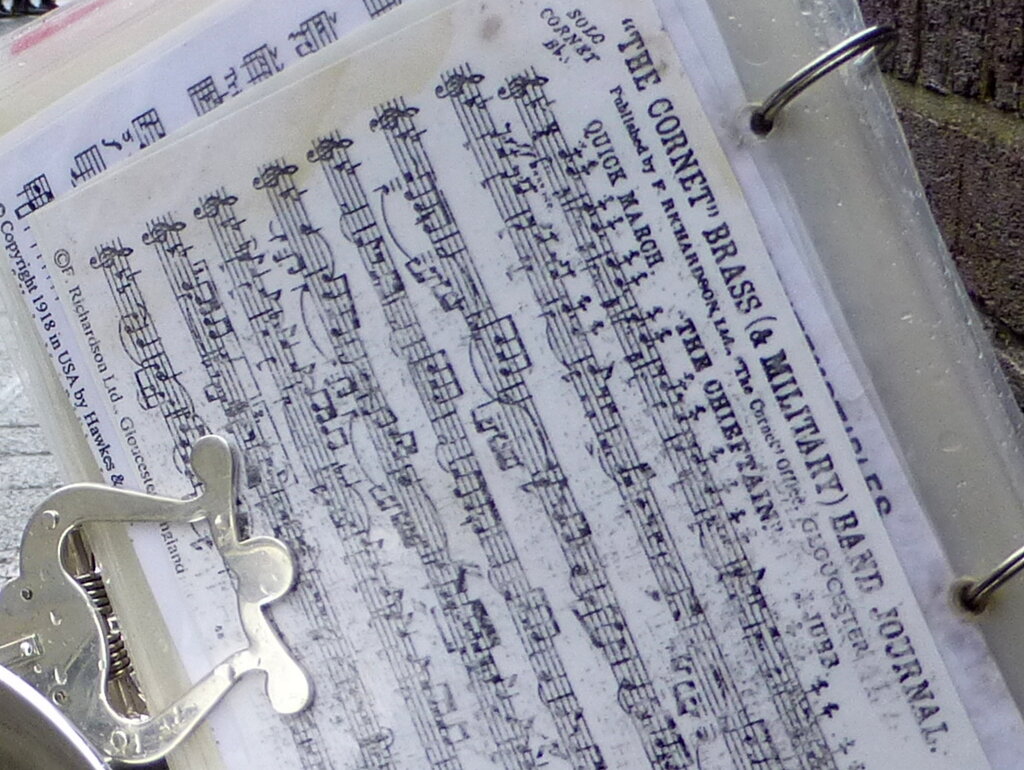
Over time, the march evolved from a purely functional tool into a popular musical form enjoyed in concert halls and town squares. Composers like John Philip Sousa, often called "The March King," elevated it to an art form. Still, the fundamental goal remains the same: to get your feet tapping and create an irresistible urge to move.
The Beat of the Drum
The rhythmic foundation of a march is simple and direct. Most marches are written in common time signatures that have a clear two-beat or four-beat feel, making them easy to march to. The most common are 2/4 and 4/4 time.
- 2/4 Time: Feels like ONE-two, ONE-two. It's often called "cut time" and has a brisk, quickstep feel.
- 4/4 Time: Feels like ONE-two-three-four. This is also known as "common time" and provides a more stately, deliberate pace.
Regardless of the time signature, the rhythmic pattern emphasizes the strong beats. The first beat of any measure (the downbeat) almost always gets the strongest accent, creating a predictable "left, right, left, right" pattern for marching. The rhythm is typically straightforward, avoiding complex syncopation that might trip someone up.
The Sound of the March
The classic march sound is defined by its instrumentation, which is dominated by brass and percussion. These instruments are loud, project well outdoors, and create the bright, powerful sound we associate with parades and military bands.
| Instrument Group | Role in the March |
|---|---|
| High Brass | Cornets and trumpets typically carry the main melody. Their bright, piercing tone cuts through the ensemble. |
| Mid-Range Brass | French horns and trombones provide harmony and counter-melodies, adding richness and depth. |
| Low Brass | Tubas (or sousaphones) lay down the bassline, often playing on the strong beats. This creates the characteristic "oom-pah" sound. |
| Percussion | The snare drum provides the constant rhythmic drive, while the bass drum and cymbals accent the strong beats, reinforcing the pulse. |
Woodwinds like clarinets, flutes, and piccolos are also common, often doubling the melody an octave higher or adding decorative flourishes. Together, this ensemble creates a full, robust sound designed to be heard from a distance and inspire movement.
Ready to test your knowledge?
What was the primary, original purpose of march music?
Which instrument families are most dominant in creating the classic, powerful sound of a march?
Understanding these core elements—a clear purpose, a steady beat, and powerful instrumentation—is the first step to appreciating and composing in the march style.