Complications of Leg Arterial Bypass Surgery
Introduction to Arterial Bypass Surgery
When Blood Flow Hits a Roadblock
Your arteries are like highways, carrying oxygen-rich blood from your heart to the rest of your body. But sometimes, these highways get clogged. In the legs, this condition is often called peripheral artery disease, or PAD. It's caused by a buildup of fatty plaque in the arteries, a process known as atherosclerosis. This narrowing or blockage reduces blood flow to the lower limbs.
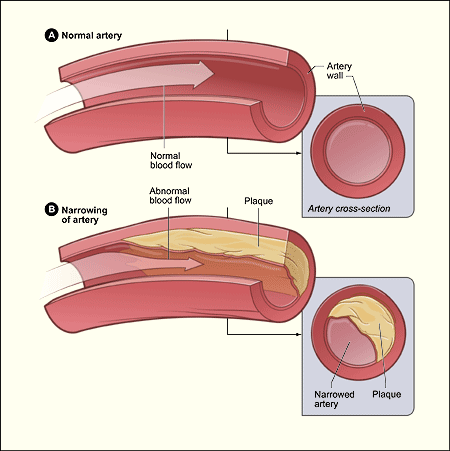
When the blockage is mild, you might not notice it. But as it worsens, it can cause cramping or pain in your legs when you walk, a symptom called claudication. In severe cases, it can lead to pain even at rest, non-healing sores, or tissue damage. When lifestyle changes, medication, or less invasive procedures aren't enough to solve the problem, doctors may recommend creating a detour for the blood.
Creating a Detour
Arterial bypass surgery does exactly what it sounds like: it bypasses the blocked section of an artery. Think of it like a traffic jam on a major road. A bypass creates a new route that allows traffic—in this case, blood—to get around the congestion and continue on its journey.
The surgeon makes an incision to access the artery above the blockage and another below it. Then, they attach a new pathway, called a graft, connecting these two points. Once the graft is in place, blood can flow through this new channel, restoring circulation to the lower leg and foot.
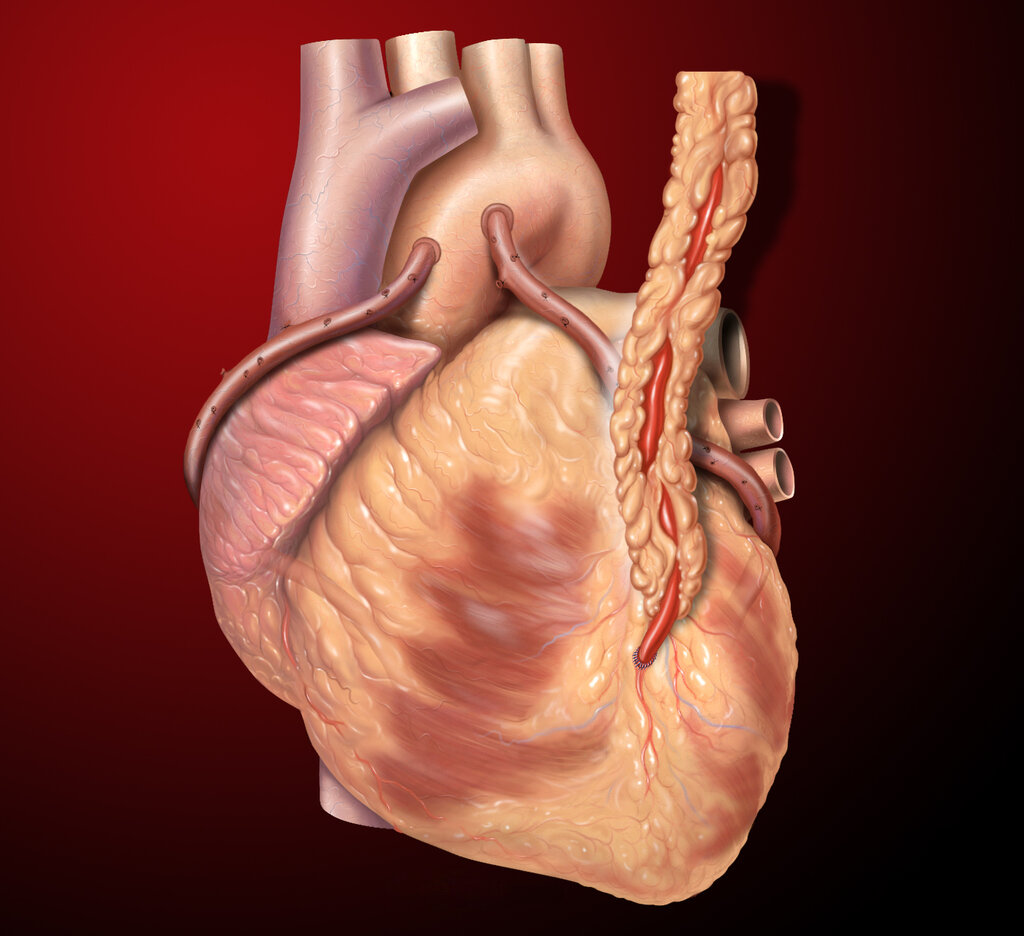
This procedure doesn't remove the blockage. It simply reroutes blood flow around it, effectively solving the circulation problem and relieving the symptoms.
Choosing the Right Material
The graft used to create the bypass is a crucial part of the surgery. There are two main types.
An autologous vein graft uses a blood vessel taken from another part of your own body. This is often the preferred choice because it's your own tissue, making it less likely to be rejected or develop clots.
The most commonly used vessel is the great saphenous vein, which runs down the length of the inner leg. A surgeon carefully removes a section of this vein to use as the graft. Since the leg has many other veins, removing this one doesn't harm circulation.
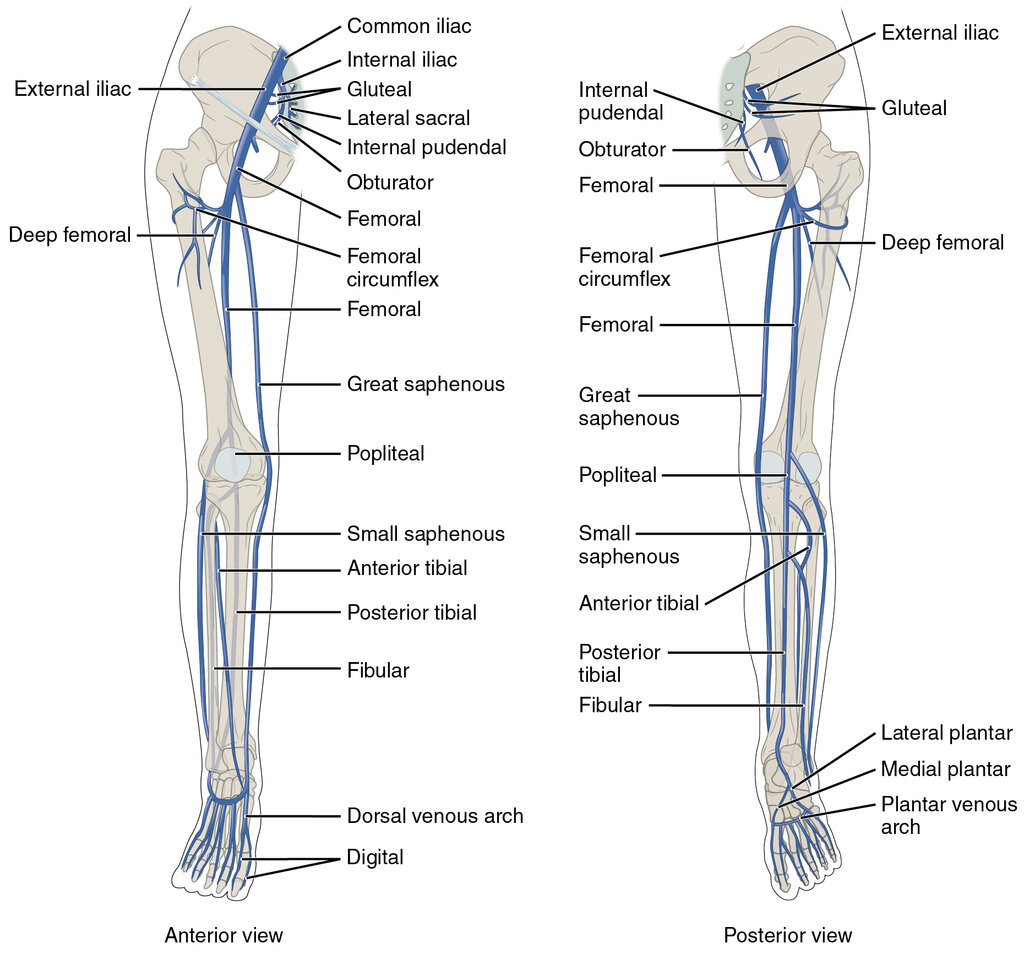
Sometimes, a suitable vein isn't available, perhaps due to previous surgery or varicose veins. In these cases, surgeons use a synthetic graft. These are man-made tubes crafted from materials like Dacron or polytetrafluoroethylene (PTFE), which is a type of Teflon. They are durable and work well, especially for bypassing larger arteries.
| Graft Type | Source | Pros | Cons |
|---|---|---|---|
| Autologous Vein | Patient's own body (e.g., saphenous vein) | Excellent durability, lower risk of clotting. | Requires an extra incision to harvest the vein. |
| Synthetic | Man-made materials (e.g., Dacron, PTFE) | Readily available, no need to harvest a vein. | Higher risk of clotting or infection over time. |
Benefits and a New Beginning
The main goal of lower limb bypass surgery is to restore proper blood flow. When successful, the results can be life-changing. The most immediate benefit is often relief from pain, especially the cramping that occurs with walking. This can dramatically improve mobility and quality of life.
For patients with more severe PAD, the surgery can prevent devastating outcomes. By restoring circulation, it allows ulcers or sores on the feet and legs to heal. Most importantly, it can prevent the need for amputation by saving tissue that was dying from a lack of oxygen.
A successful bypass isn't a cure for atherosclerosis, but it is a highly effective way to manage its most severe consequences and get you back on your feet.
Time to check your understanding.
What is the primary goal of lower limb arterial bypass surgery?
The main symptom of worsening Peripheral Artery Disease (PAD) that occurs during walking is called ________.
This procedure provides a powerful solution for severe blockages, helping restore vital circulation and improve overall health.