Complexities of the Great War
Diplomatic Breakdown
The Month the World Went Mad
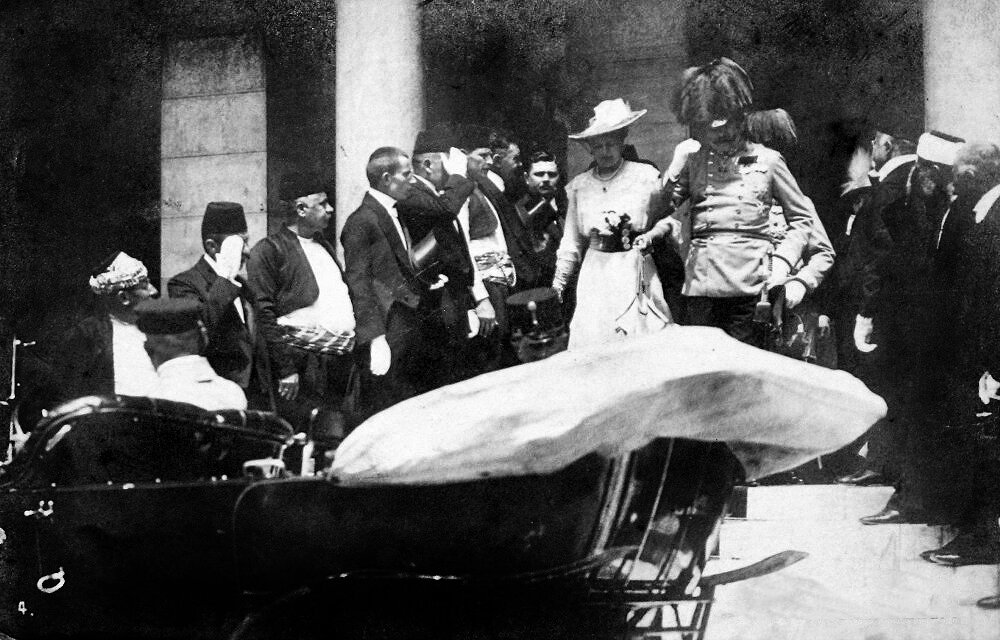
The assassination of Archduke Franz Ferdinand on 28 June 1914 was the spark, not the cause. The fire had been building for decades. The crucial period that followed, known as the July Crisis, was a masterclass in diplomatic failure. For a month, telegrams flew between the capitals of Europe, but instead of dousing the flames, they fanned them into an inferno.
The system designed to prevent such a catastrophe, the Concert of Europe, completely seized up. For nearly a century, this informal arrangement had allowed the continent's Great Powers—Britain, France, Russia, Austria-Hungary, and Prussia (later Germany)—to manage disputes through conferences and consensus. It had weathered crises before, like the Balkan Wars of 1912-1913. But in 1914, the machinery broke down. The rigid, opposing alliances of the Triple Entente and Triple Alliance had replaced flexible diplomacy with a dangerous binary. The interests of the alliance trumped the stability of the continent.
Instead of a collective meeting to de-escalate, the powers communicated in a series of ultimatums, threats, and secret assurances that only deepened the crisis.
The Tyranny of the Timetable
As diplomats faltered, military planners took centre stage. Their logic was not one of peace, but of preparation for war. In the early 20th century, mobilising an army was an immense logistical undertaking, relying almost entirely on railways. Millions of men, horses, and tons of equipment had to be moved to the frontiers with clockwork precision.
These mobilisation schedules were masterpieces of planning, but they were incredibly rigid. Each nation's plan was intricately linked to its enemies'. Russian mobilisation, with its vast distances, was expected to be slow. German war plans, therefore, depended on starting their mobilisation immediately to strike first. Once the order was given, it was like tipping the first domino. Stopping or reversing the process was considered practically impossible without giving the enemy a fatal advantage.
This logistical rigidity was amplified by a prevailing military doctrine known as the 'Cult of the Offensive'. Military leaders across Europe believed that the advantages of attacking first were overwhelming. Modern firepower, they argued, favoured bold, decisive assaults. Defensive warfare was seen as a sign of weakness and a path to defeat. This belief system meant that as soon as one nation began to mobilise, its neighbours felt immense pressure to do the same to avoid being caught on the back foot.
In this environment, the act of mobilisation was not just preparation for war; it was widely considered an act of war itself.
Fatal Promises and Grand Plans
Germany's foreign policy of 'Weltpolitik' (world policy), aimed at securing its 'place in the sun', had already created friction, particularly with Great Britain, which had long practiced a policy of 'Splendid Isolation' from continental affairs. But the most critical diplomatic move of the crisis was Germany's infamous 'Blank Cheque' to Austria-Hungary.
On 5 July 1914, Kaiser Wilhelm II and his chancellor promised their Austrian allies unconditional support for any action they took against Serbia. This assurance emboldened Vienna to issue an impossibly harsh ultimatum to Serbia, making a diplomatic solution nearly unthinkable. Germany had effectively tied its fate to Austria-Hungary's, outsourcing the decision for war to a deeply insecure empire bent on revenge.
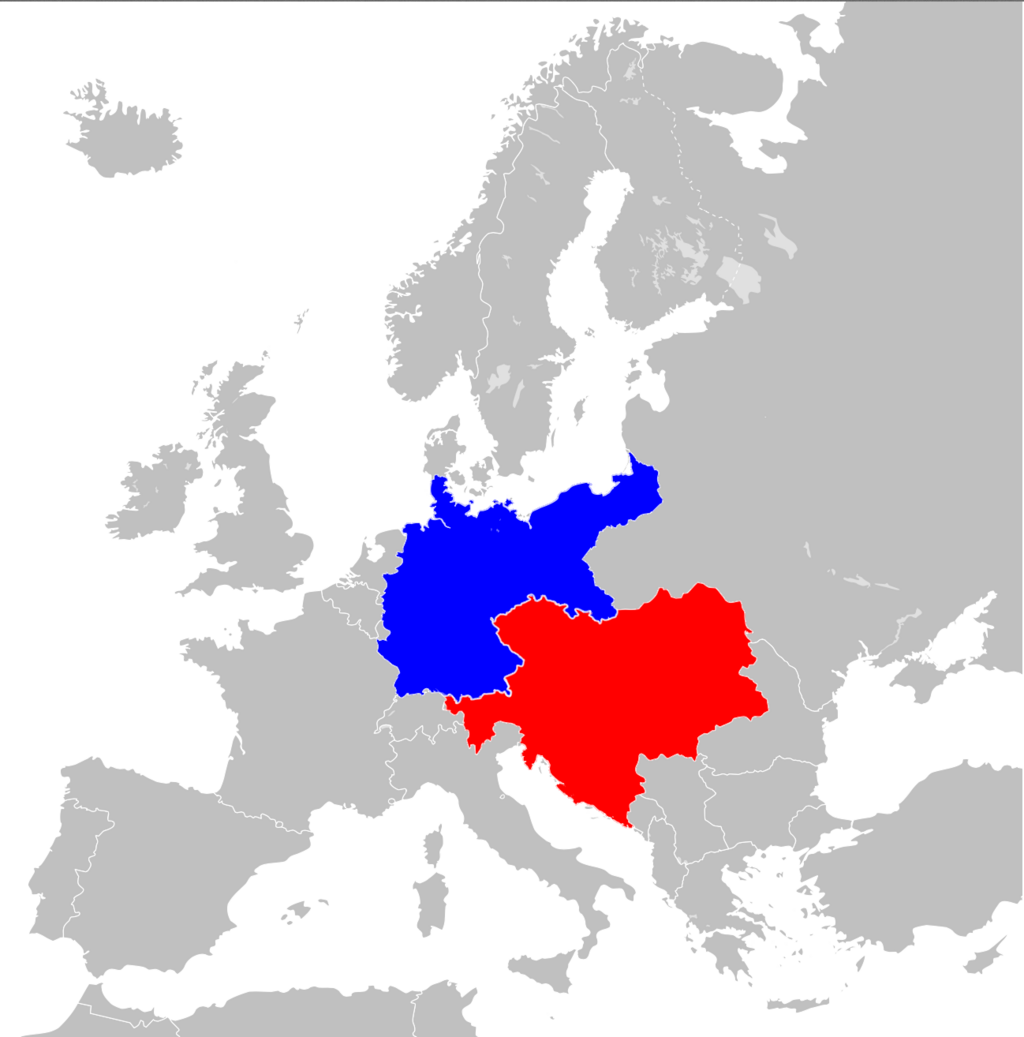
The Blank Cheque was the political green light, but Germany's military strategy, the Schlieffen Plan, made escalation almost certain. Devised years earlier, the plan was Germany's solution to a two-front war against France and Russia. It called for a lightning-fast attack to knock out France by sweeping through neutral Belgium, and then turning the full might of the German army east to deal with the slowly mobilising Russians.
The plan's logic was purely military and left no room for diplomacy. It required Germany to attack France even if the immediate conflict was with Russia. By demanding the violation of Belgian neutrality, it also made British intervention highly probable. When the crisis came, the German generals insisted that the Schlieffen Plan's strict timetable was the only path to victory. Political considerations were swept aside; the plan's operational requirements dictated foreign policy, and the continent was dragged into war along its railway tracks.
With diplomacy abandoned and military schedules in command, the localised Balkan dispute rapidly became a European catastrophe. The systemic failures, rigid plans, and dangerous assumptions that underpinned the international system of 1914 ensured that once the first shots were fired, there was no turning back.
According to the text, the assassination of Archduke Franz Ferdinand is best described as what?
What was the 'Blank Cheque' issued by Germany on 5 July 1914?