Complex Ovarian Cysts Explained
Ovarian Anatomy
The Ovaries' Central Role
Tucked away in the pelvis, on either side of the uterus, are two small, almond-shaped organs: the ovaries. Though small, they are powerhouses of the female reproductive system. They are connected to the uterus by the fallopian tubes, which act as pathways for eggs.
Each ovary isn't just a solid mass. It has two main regions. The outer layer is called the cortex, which is where the potential eggs, or oocytes, are stored. The inner region is the medulla, containing blood vessels, nerves, and lymphatic tissue that support the ovary's function.
The ovaries have two critical jobs: producing hormones and releasing eggs. The main hormones they produce are estrogen and progesterone. These hormones are essential for regulating the menstrual cycle, supporting pregnancy, and maintaining female secondary sex characteristics.
The Monthly Cycle
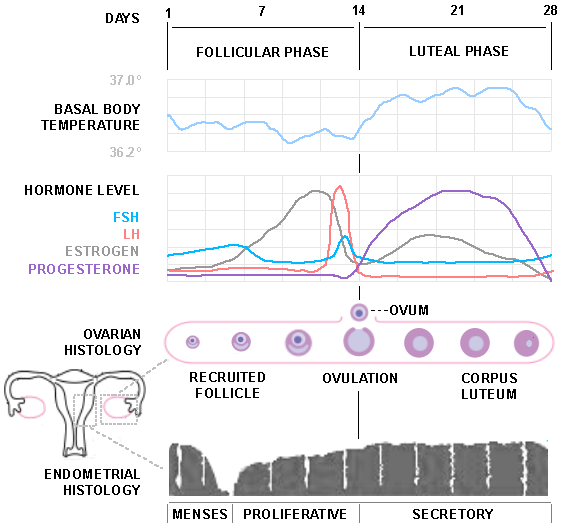
The work of the ovaries is directed by hormones from the brain, primarily follicle-stimulating hormone (FSH) and luteinizing hormone (LH). This hormonal conversation orchestrates the menstrual cycle.
At the beginning of each cycle, FSH signals the ovaries to begin maturing a few oocytes. Each oocyte is nestled inside a small, fluid-filled sac called a follicle. Think of a follicle as a tiny incubator for a developing egg.
Follicle
noun
A small, fluid-filled sac in the ovary that contains a developing egg (oocyte).
As these follicles grow, they produce estrogen. Usually, one follicle becomes dominant and continues to grow while the others stop. The rising estrogen levels eventually trigger the brain to release a surge of LH. This LH surge is the green light for ovulation: the dominant follicle ruptures and releases its mature egg into the fallopian tube.
After ovulation, the ruptured follicle transforms into a structure called the corpus luteum. It produces progesterone, which prepares the uterus for a potential pregnancy. If pregnancy doesn't occur, the corpus luteum breaks down, hormone levels fall, and a new cycle begins.
When Cysts Form
Sometimes, the normal processes of the menstrual cycle can lead to the formation of a cyst. An ovarian cyst is simply a fluid-filled sac that develops on or in an ovary. Most are harmless and go away on their own.
These cysts are generally categorized into two main types: simple and complex.
A simple cyst is just a sac filled with fluid. They are very common and are usually related to the menstrual cycle. These are also called functional cysts.
There are two main kinds of functional cysts:
- Follicular cysts: These happen when a follicle doesn't rupture to release its egg during ovulation. Instead, it continues to grow, forming a cyst.
- Corpus luteum cysts: These form if the sac doesn't dissolve after releasing an egg. Instead, it seals up and fluid accumulates inside.
A complex cyst is different. It can contain solid material, blood, or have multiple compartments. Unlike simple cysts, they are not typically related to the normal function of the menstrual cycle.
The distinction between simple and complex is important. While most simple cysts are benign and resolve without treatment, complex cysts require a closer look to understand their nature. They aren't automatically a cause for alarm, but they represent a different kind of growth that needs to be understood.
Let's check your understanding of the ovary's structure and function.
Where in the ovary are the potential eggs, or oocytes, stored?
What is the immediate trigger for ovulation, causing the dominant follicle to rupture and release its egg?
Understanding the ovary's normal anatomy and the different types of cysts provides a solid foundation for learning more about ovarian health.