Competitive Analysis for Market Advantage
Understanding Competitive Analysis
What Is Competitive Analysis?
Think of business like a sports league. Before a big game, teams study their opponents. They watch game footage, analyze plays, and learn the other team's strengths and weaknesses. This isn't cheating; it's smart preparation. Competitive analysis is the business version of watching that game tape.
It’s a structured way to identify your competitors and evaluate their strategies to determine their strengths and weaknesses relative to your own business.
The purpose isn't to copy what others are doing. Instead, it’s about understanding the landscape you're operating in. By seeing what works for others, what doesn't, and what needs are being unmet, you can find opportunities to stand out. It helps you answer critical questions: Where do we fit in the market? What can we do better? Who are our customers, and what other options do they have?
Competitive analysis, the process of evaluating your rivals to uncover strengths, weaknesses, and opportunities, lays the foundation for strategic positioning.
Why Bother Analyzing Competitors?
Conducting a competitive analysis gives you a significant edge. It’s a powerful tool for making informed decisions instead of guessing what might work.
First, it helps you identify market gaps. Maybe all your competitors focus on the high-end market, leaving a huge opportunity for an affordable alternative. Or perhaps no one offers excellent customer service, which could become your key differentiator.
It also allows you to refine your own products and services. By seeing what features your competitors offer and how customers respond, you can spot trends and find ways to improve. You might discover a popular feature you're missing or a common customer complaint you can solve.
Finally, understanding your competitors' strategies—from their pricing to their social media presence—helps you build a more effective business plan. You learn what resonates with your target audience and can position your brand more effectively.
Key Things to Look For
A good analysis doesn't need to be overly complex. It focuses on a few key areas to give you a clear picture of the competitive environment. When you start looking at your rivals, you’ll want to examine a few core components.
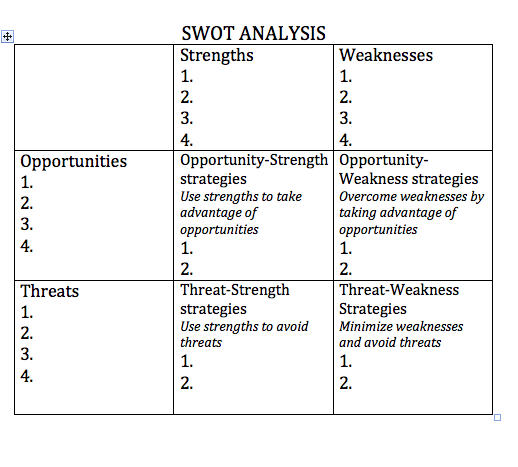
Focus on their products, marketing and sales tactics, and overall strengths and weaknesses.
Products and Services: Start with what they sell. What are their core offerings? How do the features, quality, and pricing compare to yours? This comparison can reveal if you're over- or under-priced, or if your product is missing something essential.
Marketing and Sales: How do they attract customers? Look at their website, social media channels, and advertising campaigns. What is their main message? Who are they targeting? Understanding their approach can inspire your own marketing efforts or reveal an audience they're ignoring.
Strengths and Weaknesses: This is where everything comes together. What gives a competitor an advantage? It could be a strong brand reputation, a loyal customer base, or a technological edge. Conversely, where are their vulnerabilities? Perhaps their website is slow, their reviews are poor, or they are slow to adopt new trends. Their weaknesses can become your opportunities.
| Feature | Your Company | Competitor A | Competitor B |
|---|---|---|---|
| Pricing | $99/mo | $79/mo | $129/mo |
| Key Feature | Unlimited Users | 10 User Limit | Advanced Reporting |
| Target Audience | Small Businesses | Freelancers | Large Enterprises |
Laying out the information in a simple table like this makes it easy to spot differences and identify where your business can carve out its own unique space in the market.
What is the primary goal of conducting a competitive analysis, according to the 'sports league' analogy?
A new coffee shop owner studies her competitors and notices none of them offer comfortable seating for remote workers. By creating a cozy, work-friendly space, she is capitalizing on which benefit of competitive analysis?