Competitive Analysis for Market Advantage
Understanding Competitive Analysis
What Is Competitive Analysis?
Think of business like a game. You wouldn't play chess without understanding how your opponent moves their pieces. Competitive analysis is the business equivalent of studying your opponent's strategy. It's a systematic look at your rivals to understand their strengths, weaknesses, and market position.
The goal isn't just to copy what others are doing. It's about finding opportunities they've missed, anticipating their next move, and carving out a unique space for your own business. By understanding the competitive landscape, you can make smarter, more informed decisions instead of just guessing what might work.
In essence, the job of the strategist is to understand and cope with competition.
Why Bother Analyzing Competitors?
Conducting a competitive analysis gives you a significant edge. It helps you ground your strategy in reality, moving from assumptions to data-backed insights. Here are a few key benefits:
Find Market Gaps: You might discover an entire customer segment that your competitors are ignoring or a product feature that no one offers. These gaps are opportunities for you to swoop in and meet an unmet need.
For example, a new coffee shop might find that no other local cafes offer comfortable seating for remote workers or sell high-quality decaf espresso. That's a gap they can fill.
Define Your Advantage: What makes you different? Is it your price, your customer service, or the quality of your product? Analyzing competitors helps you clarify your unique value proposition—the specific reason a customer should choose you over anyone else.
Set Realistic Benchmarks: It's hard to know if your pricing is right or if your marketing is effective without context. Competitor analysis provides benchmarks, helping you measure your performance against others in your industry.
Anticipate Market Shifts: Are your competitors launching new products, changing their prices, or targeting a new audience? These actions can signal broader trends and shifts in the market, allowing you to adapt before you're left behind.
Tools of the Trade
You don't have to start from scratch. There are established frameworks that provide a structured way to analyze the competition. We'll dive deeper into these later, but here’s a quick overview of a few common ones.
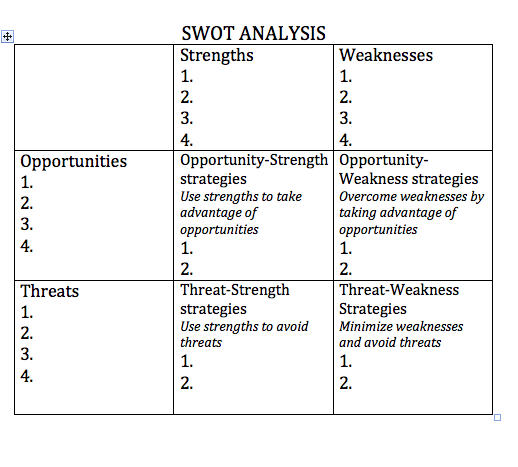
SWOT Analysis is a classic framework that helps you evaluate a company—your own or a competitor's—based on four key areas: Strengths, Weaknesses, Opportunities, and Threats. Strengths and weaknesses are internal factors (like your team or brand reputation), while opportunities and threats are external (like market trends or new competitors).
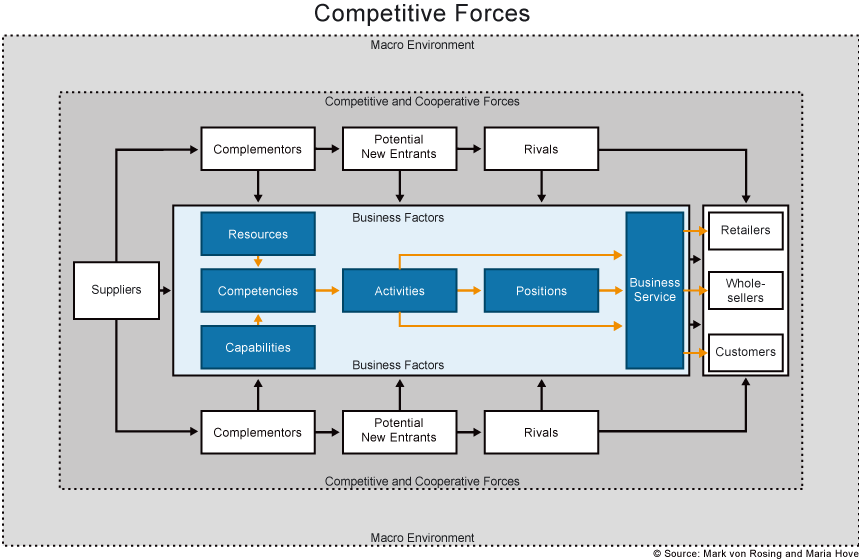
Porter's Five Forces is a model for analyzing the level of competition within an industry. It looks at five key forces that shape every market: the threat of new entrants, the bargaining power of buyers, the bargaining power of suppliers, the threat of substitute products, and the rivalry among existing competitors. Understanding these forces helps reveal an industry's profitability and attractiveness.
Perceptual Mapping, also known as positioning mapping, is a visual tool. It helps you understand how customers perceive different brands in the market based on specific attributes, such as price and quality. By plotting competitors on a map, you can visually identify crowded areas and open spaces where a new brand could thrive.
Each of these tools offers a different lens through which to view the competitive landscape. Using them helps turn a complex and messy market into a clearer picture, guiding you toward a stronger, more resilient business strategy.
What is the primary goal of conducting a competitive analysis?
In a SWOT analysis, 'market trends' and 'new competitors' would be classified as what?
This is just the starting point. By consistently analyzing your competitors, you can stay agile, spot opportunities first, and build a business that stands out from the crowd.