Competitive Analysis for Ingredient Scanner Apps
Introduction to Competitive Analysis
Understanding the Competition
Before building your app, it’s smart to look at who's already out there. This process is called competitive analysis. Think of it like a new coffee shop owner visiting every other café in town. They’d check out the menu, the prices, the atmosphere, and what customers seem to love or hate. They aren't trying to copy anyone; they're looking for an opening—a unique spot in the market they can fill.
For your ingredient-scanning app, this means finding other apps that do something similar. You'll examine what they do well and where they fall short. The goal isn't just to see what features they have, but to understand their strategy and how users feel about them. This knowledge helps you build something that doesn't just compete, but stands out.
Competitive analysis involves systematically examining your competitors to identify their strengths and weaknesses, understand their strategies, and ultimately gain insights to enhance your marketing approach.
Key Components
A good competitive analysis has a few key parts. It starts with figuring out who you're actually up against.
Competitor Identification: Who are your rivals? These can be direct competitors, like other apps that scan ingredient labels. They can also be indirect competitors, such as general diet trackers or allergy apps that have a barcode scanning feature.
Once you know who they are, you need to understand their place in the market.
Market Positioning: How do your competitors present themselves? Is one app the best choice for people with serious allergies? Is another marketed as the fastest and simplest scanner? Understanding their position helps you find your own unique angle.
A powerful tool for organizing your findings is a SWOT analysis. SWOT stands for Strengths, Weaknesses, Opportunities, and Threats.
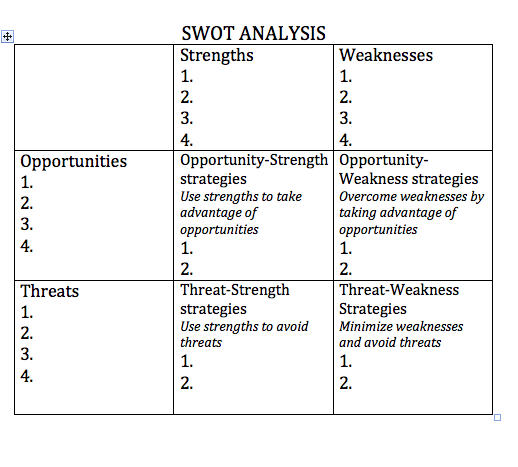
You analyze each competitor through this lens:
- Strengths: What do they do exceptionally well? Maybe they have a massive database of foods or a loyal user community.
- Weaknesses: Where are they failing? Perhaps their app is slow, buggy, or has an ugly design.
- Opportunities: What market needs are being missed? Maybe no competitor focuses on the environmental impact of ingredients. This could be your gap.
- Threats: What outside factors could hurt them (and you)? A big company like Google could launch a similar feature, for example.
The Benefits
Conducting this analysis isn't just an academic exercise. It gives you a real advantage. By understanding the competitive landscape, you can spot a gap that your app is perfectly positioned to fill. Maybe you’ll discover that no existing app helps users find products that match their ethical values, like cruelty-free or fair-trade certifications.
You also learn from their mistakes without having to make them yourself. If you see users complaining in reviews that a competitor's app has a confusing interface, you know to prioritize clean, simple design in your own product. This insight helps you make smarter decisions, save resources, and build an app that people will actually want to use.
What is the primary goal of conducting a competitive analysis before building a new app?
In a SWOT analysis, what does the 'O' stand for?
By knowing the field, you can find your own unique space to thrive.