Competitive Analysis for Business Advantage
Introduction to Competitive Analysis
What Is Competitive Analysis?
Competitive analysis is the process of identifying who your competitors are and evaluating their strategies. Think of it like a sports team studying game film of their rivals. They're not just watching for fun; they're looking for patterns, strengths, and weaknesses they can use to their advantage in the next match.
In business, this means looking at what other companies in your market are doing. What products do they sell? What are their prices? How do they talk to customers? Who are their customers? Answering these questions helps you understand the competitive landscape you're operating in.
Competitive analysis, the process of evaluating your rivals to uncover strengths, weaknesses, and opportunities, lays the foundation for strategic positioning.
The goal isn’t to copy what everyone else is doing. It’s to gather intelligence that helps you make smarter, more informed decisions for your own business. It provides the context you need to carve out your own space in the market and stand out from the crowd.
Why It's a Game Changer
Conducting a competitive analysis gives you a significant edge. One of the biggest benefits is helping you identify opportunities and threats. By seeing what competitors offer, you might spot a gap in the market—a customer need that isn't being met. That's an opportunity.
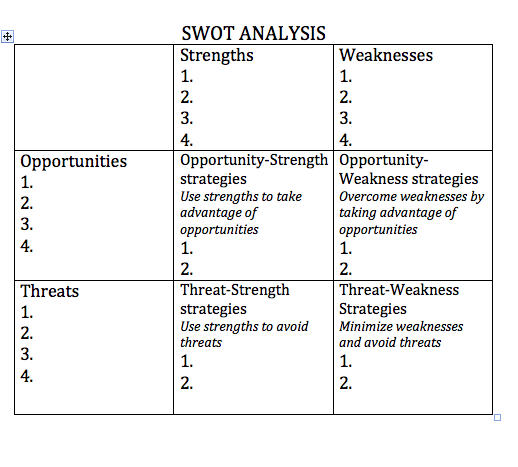
Conversely, you might see a competitor who is incredibly strong in one area, which could be a threat to your business. This framework of looking at internal Strengths and Weaknesses alongside external Opportunities and Threats is a classic strategic tool.
Understanding your competition also helps you refine your own strategy. Are your prices in the right ballpark? Is your marketing message hitting the mark? Seeing what works (and what doesn't) for others provides valuable clues for your own approach.
Finally, this process helps you understand your market better. You'll learn about industry trends and what customers have come to expect. It's not just about your rivals; it's about seeing the bigger picture.
A Simple Process Overview
While competitive analysis can get complex, the basic process is straightforward. It generally follows a few key steps to turn raw information into strategic insight.
First, you identify who you're actually competing against. This includes direct competitors who sell a similar product and indirect competitors who solve the same customer problem with a different solution.
Next, you gather information. This doesn't have to be corporate espionage. You can learn a lot from public sources like their websites, social media channels, customer reviews, and press releases.
Then, you analyze what you've found, looking for your competitors' key strengths and weaknesses. This is where you connect the dots and start to see patterns.
Finally, you use these insights to inform your own strategy. The analysis is only valuable if it leads to action, whether that's adjusting your pricing, launching a new marketing campaign, or improving a product feature.
Competitive analysis isn't a one-time task. Markets are always changing, so it's a process you should revisit regularly to stay ahead.
What is the primary goal of conducting a competitive analysis?
True or False: The insights from a competitive analysis are only valuable if they lead to action.
Now you have a solid foundation for what competitive analysis is and why it matters. It's a crucial first step in building a resilient and successful business strategy.