Competency Assessment Design for Educational Ministries
Introduction to Competency-Based Assessment
Beyond the Grade
Traditional education often feels like a race to collect points. You study for a test, get a grade, and move on. But does that grade really show what you can do? Competency-based assessment, or CBA, flips this model on its head. Instead of focusing on seat time or test scores, it asks a simple question: Can you demonstrate this skill or apply this knowledge in a meaningful way?
Competency
noun
The ability to apply specific knowledge, skills, and attitudes to successfully complete a task in a defined context.
Think of it like getting a driver's license. You don't get your license just by scoring 90% on a written test about traffic laws. You have to get behind the wheel and prove you can actually drive, park, and navigate traffic. That's the essence of CBA. It’s about showing, not just knowing.
Competency-based education (CBE) refers to an educational model where students must demonstrate mastery over specific skills or knowledge areas before progressing further in their studies.
Old School vs. New School
The difference between competency-based and traditional assessment is fundamental. Traditional methods often measure learning at a single point in time, like a final exam. They tend to reward memorization and test-taking skills. Everyone moves at the same pace, regardless of whether they've truly grasped the material.
CBA is more flexible and personal. It focuses on the learning journey itself. If you master a concept quickly, you can move on. If you need more time, you can take it without being penalized. The goal is mastery, not speed.
| Feature | Traditional Assessment | Competency-Based Assessment |
|---|---|---|
| Focus | Memorizing facts | Applying skills |
| Pacing | Fixed schedule for all | Flexible, based on mastery |
| Goal | Earn a passing grade | Demonstrate proficiency |
| Evidence | Test scores, quizzes | Projects, portfolios, presentations |
This shift changes the classroom dynamic. It's less about a teacher lecturing and more about a coach guiding students as they practice and refine their abilities. The emphasis moves from abstract theory to practical, real-world application.
Instead of asking "What did you learn?", CBA asks "What can you do with what you've learned?"
Putting You in the Driver's Seat
One of the most powerful aspects of competency-based assessment is its focus on student agency. This means you have more control over your own learning path. Because the learning targets are clear from the start, you always know what you're working toward.
You're not just a passive receiver of information. You become an active participant, collecting evidence of your learning and deciding how to best showcase your skills. This could be through a research project, a presentation, a piece of software you built, or a detailed portfolio of your work.
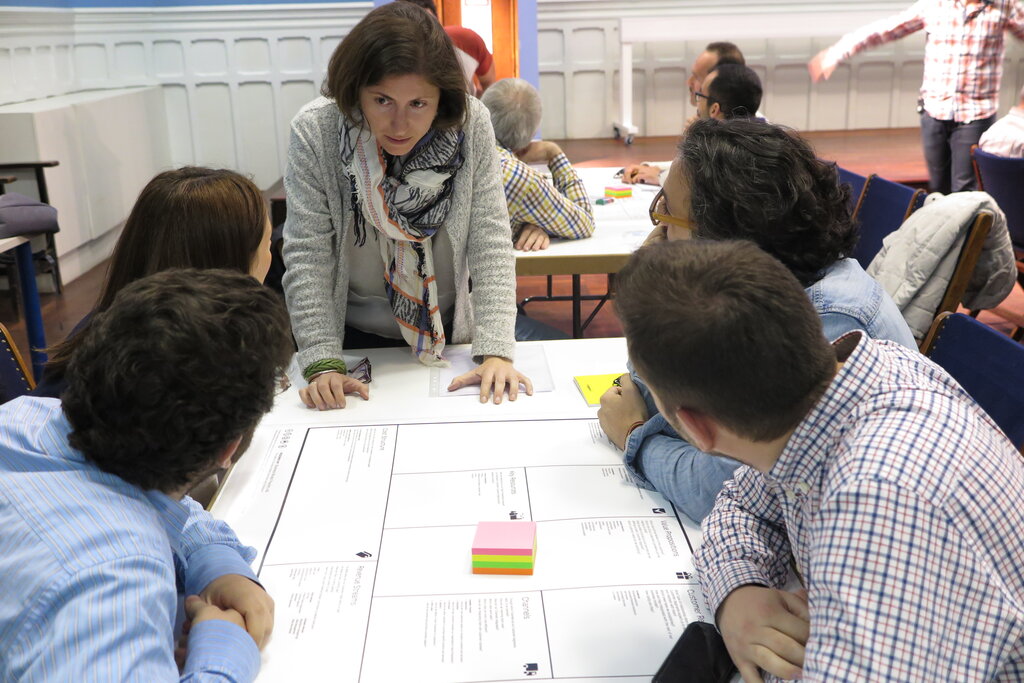
This approach builds more than just academic knowledge. It develops skills like self-management, critical thinking, and communication. By taking ownership of your learning and documenting your progress, you're preparing for the kind of self-directed work expected in modern careers. You learn how to learn, a skill that lasts a lifetime.
Ready to check your understanding?
What is the primary focus of competency-based assessment (CBA)?
The text compares CBA to getting a driver's license to illustrate that...
By focusing on what students can do, competency-based assessment provides a clearer, more meaningful picture of learning and achievement.