Comparing Treatment Effects
Introduction to Treatment Modalities
Approaches to Treatment
When we're not feeling well, there are many paths we can take to get better. Treatment isn't a one-size-fits-all solution. Instead, healthcare often involves a mix of different approaches tailored to the individual. These methods generally fall into three broad categories: pharmacological treatments, psychological therapies, and complementary and alternative medicine.
Pharmacological Treatments
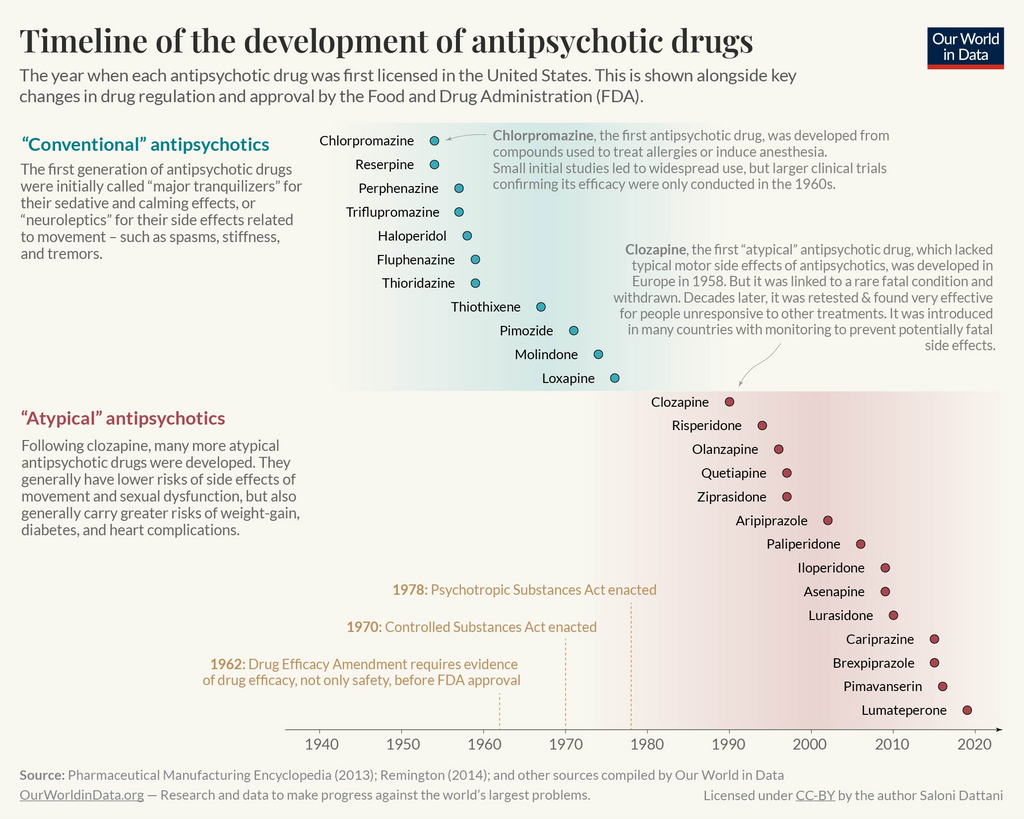
Pharmacological treatments are what most people think of as modern medicine. They involve using medications—or drugs—to treat, cure, or prevent illness. Think of them as precise tools designed to target a specific biological process in your body. This could mean fighting off a bacterial infection, lowering high blood pressure, or managing the symptoms of a chronic condition.
Pharmacology
noun
The branch of medicine and biology concerned with the study of drug action, where a drug can be broadly defined as any man-made, natural, or endogenous molecule which exerts a biochemical or physiological effect on the cell, tissue, organ, or organism.
These treatments come in many forms, such as pills, injections, inhalers, or creams. Before any medication reaches the public, it goes through years of rigorous testing in clinical trials. This process is designed to make sure the drug is both safe and effective for its intended use. Because of this extensive research, pharmacological approaches are a cornerstone of healthcare worldwide.
Psychological Therapies
While pharmacology often targets the body's biology, psychological therapies focus on the mind. Often called psychotherapy or "talk therapy," this approach helps people understand their feelings, thoughts, and behaviors. It's a collaborative process where a person works with a trained therapist to develop healthier coping skills and new ways of looking at challenging situations.
It's not just about talking through problems. Therapists use structured, evidence-based techniques to help individuals make lasting changes. There are many different types of therapy, each with a unique approach.
Examples include Cognitive Behavioral Therapy (CBT), which focuses on changing negative thought patterns, and mindfulness-based therapies, which teach awareness of the present moment.
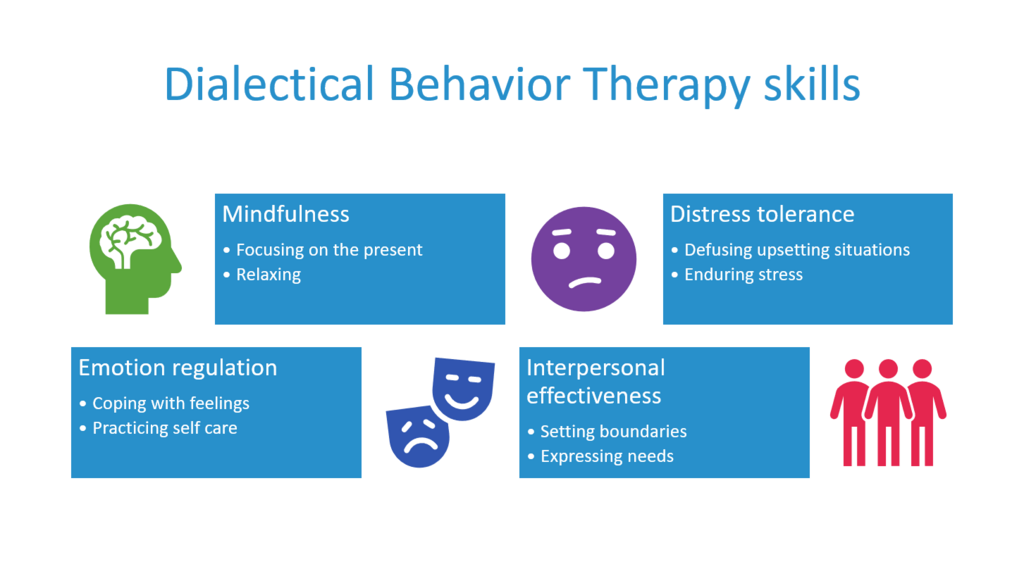
Therapy can be used to treat specific mental health conditions like anxiety or depression, but it can also help people manage stress, navigate difficult life transitions, or simply improve their overall well-being.
Complementary and Alternative Medicine
Complementary and Alternative Medicine, or CAM, is a broad group of healing practices and products that are not typically part of standard Western medical care. The term "complementary" is used when these approaches are combined with conventional medicine, while "alternative" means they are used in place of it.
CAM therapies often take a holistic view of health, considering the mind, body, and spirit as interconnected. They cover a vast range of practices.
| Category | Examples |
|---|---|
| Mind-Body Practices | Yoga, meditation, tai chi |
| Biologically-Based | Herbal supplements, special diets |
| Manipulative Practices | Chiropractic, massage therapy |
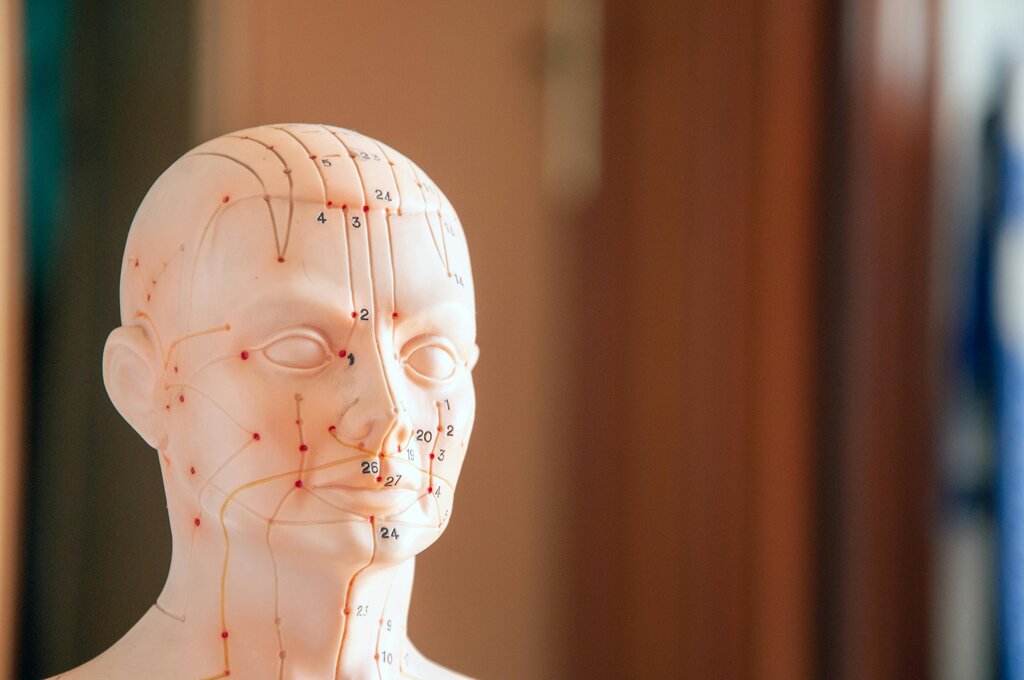
| Energy Therapies | Acupuncture, Reiki |
Many people find that these practices help manage symptoms, reduce stress, and improve their quality of life. As with any treatment, it's important to approach CAM with an informed perspective and discuss any therapies you're considering with your doctor.
These three modalities—pharmacological, psychological, and CAM—represent the main avenues for treatment. Often, the most effective approach is an integrative one that combines elements from each category to create a personalized plan for health and wellness.
Ready to check your understanding? Let's review the key concepts from this section.
What is the primary purpose of the rigorous clinical trials that pharmacological treatments undergo before reaching the public?
If a person uses acupuncture alongside their prescribed medication for pain management, how is the acupuncture practice best described?
Understanding these different treatment options is the first step in making informed decisions about your health.