Comparing AI Language Models
Introduction to Large Language Models
What Is a Large Language Model?
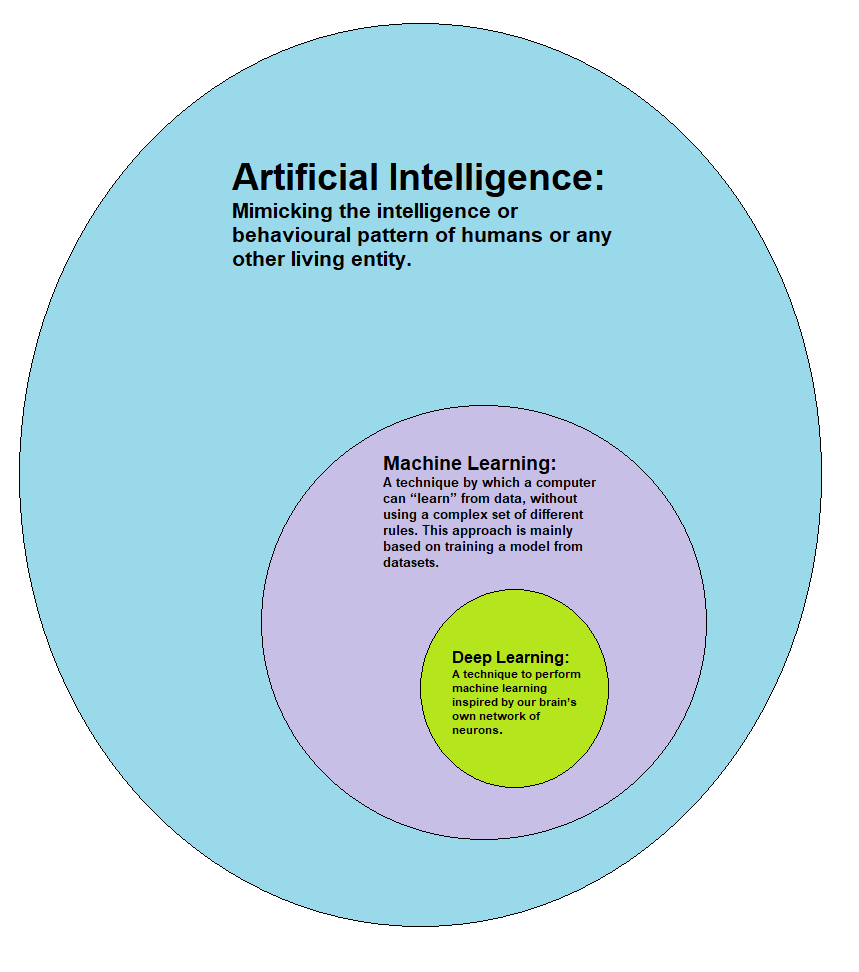
A large language model, or LLM, is a type of artificial intelligence that's trained to understand and generate human language. Think of it as an extremely advanced autocomplete. By analyzing vast amounts of text from the internet, books, and other sources, it learns the patterns, grammar, context, and nuances of how we communicate.
The core task of most LLMs is simple: predict the next word in a sequence. By doing this over and over, they can write sentences, paragraphs, and even entire articles.
The "large" in their name refers to two things: the immense size of the datasets they are trained on and the number of parameters in the model itself. A parameter is like a knob the model can tune during training to improve its predictions. Modern LLMs can have hundreds of billions or even trillions of these parameters, which allows them to capture incredibly subtle patterns in language.
The Engine Inside Transformers
For a long time, AI struggled with understanding the context of long sentences. Older models would often "forget" the beginning of a sentence by the time they reached the end. This changed in 2017 with the invention of the Transformer architecture.
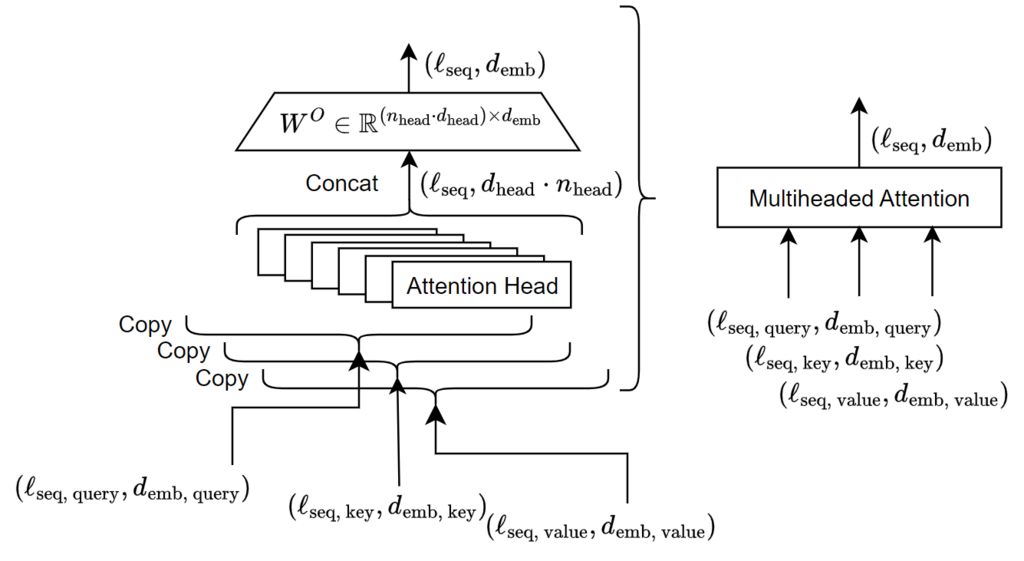
Transformers revolutionized natural language processing by introducing a concept called the "attention mechanism." This allows the model to weigh the importance of different words in the input text when it's processing a particular word. It can pay more attention to relevant words, even if they are far apart in the text.
This ability to connect related concepts across a text makes Transformers incredibly powerful. It allows them to understand pronoun references, complex sentence structures, and the overall flow of an argument. It also enables parallelization, meaning different parts of the data can be processed at the same time, which is essential for training such enormous models.
How LLMs Learn
Training an LLM is a massive undertaking that generally involves two main stages:
- Pre-training: This is where the model develops its foundational understanding of language. It's fed a gigantic dataset of text—essentially a large portion of the public internet, digital books, and other sources. The model is not explicitly taught grammar rules. Instead, it learns by trying to predict missing words in sentences. Through billions of these predictions, it adjusts its internal parameters to get better and better, implicitly learning grammar, facts, reasoning abilities, and even biases from the training data.
This initial phase is called self-supervised learning because the data doesn't need to be manually labeled by humans. The text itself provides the supervision.
- Fine-tuning: After pre-training, the general model is adapted for specific tasks, like carrying on a conversation or summarizing articles. This stage uses a smaller, high-quality dataset that has been curated by humans. Techniques like Reinforcement Learning with Human Feedback (RLHF) are often used here, where human reviewers rate the model's responses, teaching it to be more helpful, accurate, and safe.
Common Applications
The general-purpose nature of LLMs means they can be applied to a wide array of tasks across different fields. Their ability to process and generate language makes them useful for more than just chatbots.
| Domain | Application |
|---|---|
| Content Creation | Drafting emails, writing articles, generating marketing copy |
| Software Development | Writing code, debugging, explaining code snippets |
| Customer Service | Powering chatbots, answering support questions |
| Education | Personalized tutoring, summarizing complex topics, language learning |
| Healthcare | Analyzing medical records, summarizing research papers |
| Research | Sifting through vast amounts of data to find patterns and insights |
As the technology continues to advance, LLMs are being integrated into more and more tools, changing how we interact with information and technology.
What is the primary function of a Large Language Model (LLM)?
In the context of LLMs, the term "large" refers to two main aspects. What are they?