Comparative Forensic Law Analysis
Admissibility Standards Comparison
Who Guards the Gates of Truth?
In a courtroom, not all scientific claims are created equal. A lawyer can't simply present any expert with any theory. Courts need a filtering mechanism to ensure that the scientific evidence presented to a jury is reliable and relevant, not junk science. This process of determining what gets in and what stays out is known as establishing admissibility. The United States, United Kingdom, and India have each developed distinct approaches to this crucial task.
The US Judge as Gatekeeper
For decades, US courts followed the Frye standard, a simple rule from a 1923 case. It held that scientific evidence was admissible only if the method behind it had gained "general acceptance" in its particular field. If the relevant scientific community accepted it, so could the court. This was a straightforward, if somewhat restrictive, test.
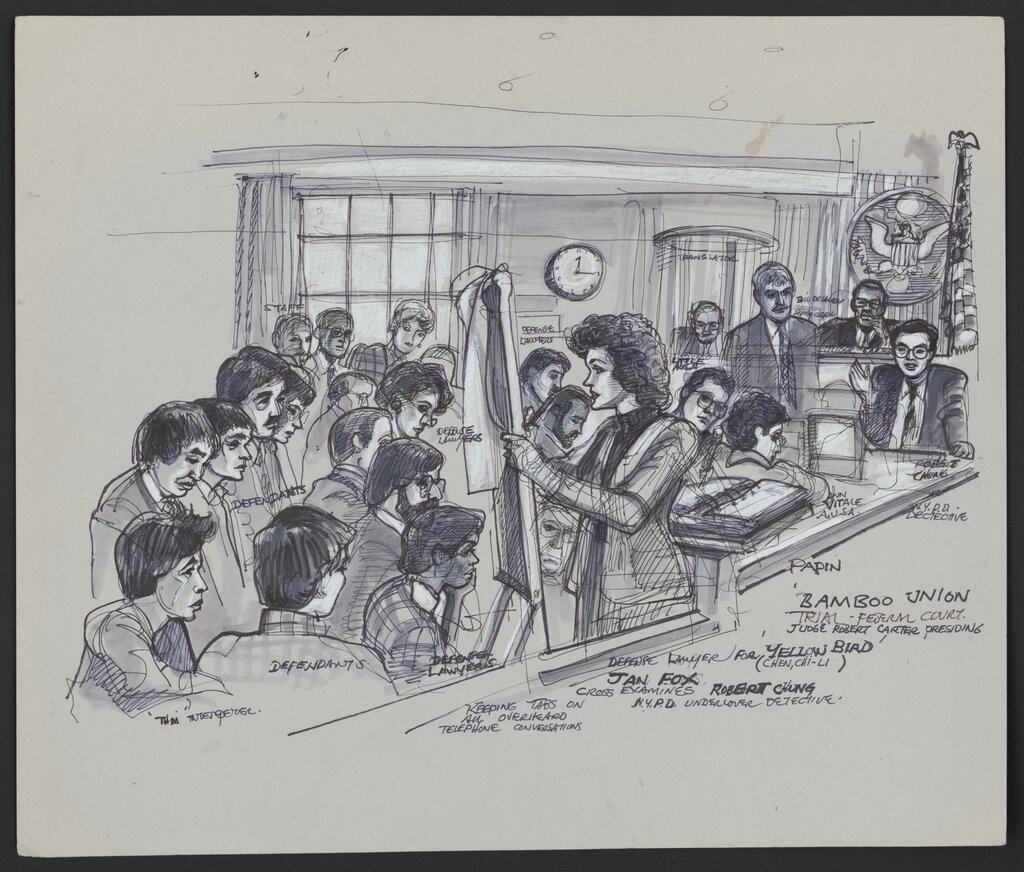
Everything changed in 1993 with the Supreme Court case Daubert v. Merrell Dow Pharmaceuticals. This ruling replaced Frye in federal courts and many state courts, establishing the judge as the ultimate "gatekeeper" of scientific evidence. The Daubert standard requires judges to scrutinize the methodology of the expert testimony, not just its popularity. They assess several factors:
- Has the technique been tested?
- Has it been subjected to peer review and publication?
- What is its known or potential rate of error?
- Are there standards controlling its operation?
- Is there widespread acceptance within the scientific community? (The old Frye test still plays a role, but it's no longer the only one.)
Under Daubert, the judge, not the scientific community, is the gatekeeper determining evidence admissibility.
This shift placed a significant burden on judges, requiring them to have a working understanding of scientific principles to evaluate an expert's reasoning. The goal was to block unreliable or untested theories from influencing a jury, creating a more rigorous filter based on scientific validity rather than consensus alone.
The UK's Expert-Centric Model
The United Kingdom takes a different path, placing more emphasis on the expert's duty to the court. The Criminal Procedure Rules explicitly state that an expert's primary obligation is to provide impartial, objective opinion to the court, overriding any obligation to the party who hired them. This framework aims to prevent experts from acting as
The UK framework emphasizes impartiality. An expert's first duty is to the court, not the side that pays them.
Historically, the UK's approach to admissibility was more permissive. However, following several high-profile miscarriages of justice involving flawed forensic evidence, reforms were introduced. The Forensic Science Regulator Act 2021 was a major step, creating a statutory basis for the Forensic Science Regulator to establish and enforce quality standards for forensic science providers. While the judge still makes the final call, the focus is on ensuring the expert and their methods meet a recognized professional standard. Unlike the US system's explicit checklist in Daubert, the UK's is more principles-based, trusting in professional standards and the expert's duty to be an unbiased assistant to the court.
India and the Primacy of Relevancy
India’s approach is governed by the Indian Evidence Act, 1872, primarily Section 45. This provision allows the court to hear opinions from experts on subjects like foreign law, science, art, or identity of handwriting or finger impressions. The key criterion here is relevancy. Is the expert's opinion relevant to a fact in issue? If so, it can be admitted.
However, Indian courts are generally cautious. Expert testimony is often seen as advisory and not conclusive. Judges frequently look for corroboration, meaning the expert's opinion must be supported by other factual evidence in the case. A conviction is rarely based solely on an expert's opinion. This creates a balance: the door for admissibility is wide (based on relevancy), but the weight given to that evidence is tempered by a demand for independent verification. It avoids the complex of the Daubert standard but puts the onus on the prosecution and defense to build a case that doesn't hinge on a single expert voice.
| System | Primary Standard | Key Decision-Maker | Main Focus |
|---|---|---|---|
| US (Federal) | Daubert Standard | Judge | Reliability & Methodology |
| UK | Criminal Procedure Rules / FSR Act 2021 | Judge (guided by expert's duty) | Expert's Impartiality & Professional Standards |
| India | Section 45, Evidence Act | Judge | Relevancy & Corroboration |
Each system represents a trade-off. The US Daubert standard is rigorous, providing a strong defense against junk science, but it can be slow to adapt to new, emerging fields. The UK model relies on the integrity of experts and professional bodies, promoting impartiality but depending heavily on the quality of those institutions. India's focus on relevancy and corroboration is flexible and practical, but may give less initial scrutiny to the scientific methodology itself compared to the US system. Ultimately, all three strive for the same goal: ensuring that when science enters the courtroom, it serves justice.