Comparative Eras of Globalization
First Wave Mechanics
The First Global Engine
The late 19th century sparked a radical rewiring of the world economy. Between 1870 and 1914, international trade and investment grew at a pace never seen before. This wasn't just more of the same; it was a new kind of global integration, driven by powerful technologies and a rigid set of economic rules. This era laid the foundation for a world where goods, money, and people could cross borders with astonishing speed, fundamentally reshaping the economic destinies of nations.
Breaking the Tyranny of Distance
For most of human history, geography was destiny. The cost and time required to move goods over long distances were immense. Two inventions shattered this reality: the steam engine and the telegraph.
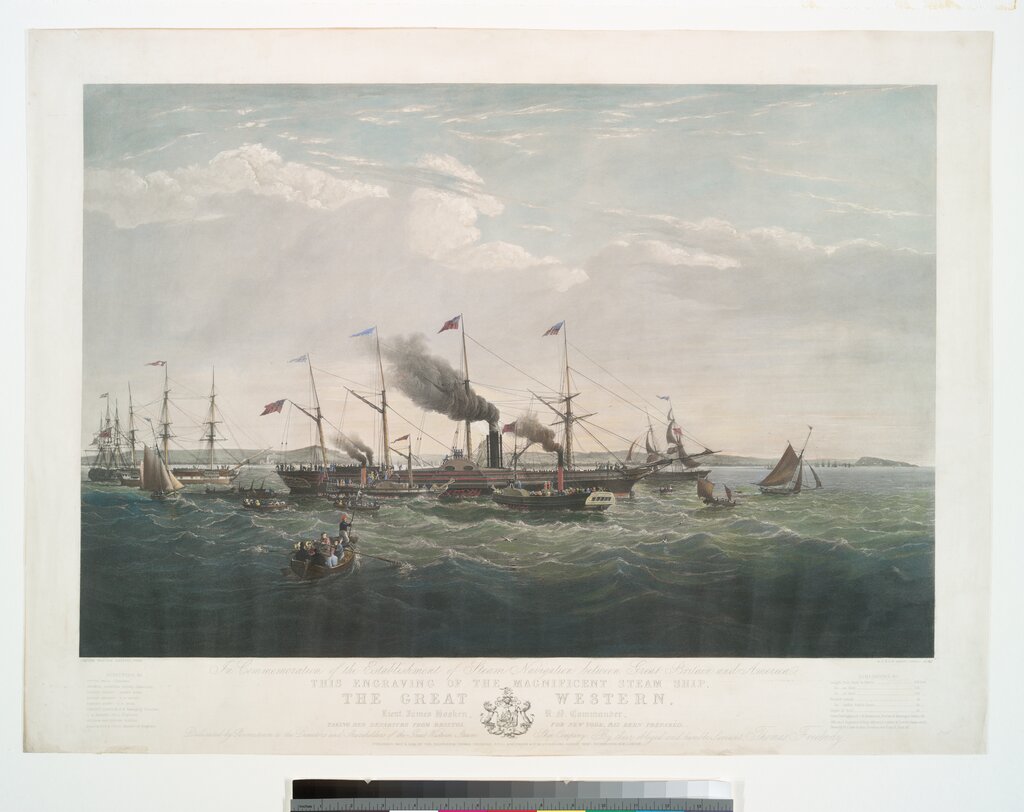
Steamships made ocean voyages faster, cheaper, and predictable, no longer dependent on the wind. Simultaneously, railways sliced through continents, connecting vast inland areas like the American prairies or the Argentine pampas to coastal ports. Suddenly, it was economically feasible to ship bulky commodities like wheat, beef, and cotton across the world.
The telegraph was the nervous system of this new global body. Before, a merchant in London sending an order to New York had to wait weeks for a ship to carry the message and weeks more for a reply. With the telegraph, price information and orders could be transmitted in minutes. For the first time, markets for goods began to truly integrate on a global scale.
This led to a phenomenon known as commodity price convergence. Before the 1870s, the price of wheat in Chicago and Liverpool could differ dramatically, mostly due to high transportation costs and risk. As steam power slashed shipping costs and the telegraph provided instant price information, these price gaps narrowed significantly. A shock to the wheat harvest in Kansas would now be felt almost immediately in the bread prices in London. The world's markets for basic goods were becoming one.
The Golden Anchor
Technology was only half the story. This wave of globalization was also built on a new monetary framework: the . This system provided a predictable and stable environment for international trade and investment. In essence, most major countries agreed to fix the value of their currency to a specific amount of gold. For example, the British pound was worth a certain weight in gold, as was the U.S. dollar and the French franc.
This created a system of fixed exchange rates. Because each currency had a fixed value in gold, their values relative to each other were also fixed. A British investor knew exactly how many dollars their pounds would buy, today and tomorrow. This eliminated a huge source of risk and uncertainty, making international business far more attractive.
By removing currency risk, the Gold Standard acted like a lubricant for the engine of global trade and investment.
This stability unleashed a torrent of capital. The Victorian era saw massive flows of foreign direct investment, primarily from Great Britain. British investors financed railways in America, mines in South Africa, and ranches in Argentina. This capital built the infrastructure that allowed raw materials and agricultural goods to flow from the resource-rich 'periphery' to the industrial 'core' countries in Europe.
The Great Divergence
This new, integrated global economy did not benefit everyone equally. In fact, it created a massive gap between the industrial North and the commodity-exporting South. This phenomenon is known as the —the moment when Western countries and their offshoots became vastly richer than the rest of the world.
Industrial nations like Britain, Germany, and the United States specialized in manufacturing. They imported cheap raw materials—cotton from India, rubber from Brazil, tin from Malaysia—and exported expensive finished goods, like textiles and machinery. Countries in Asia, Africa, and Latin America, many of them under colonial rule, became locked into the role of commodity exporters. While they were part of the global economy, their specialization in raw materials often led to volatile prices and limited long-term development compared to the industrial powerhouses.
This structure defined the first era of globalization. It was a world deeply connected by markets for goods and capital, but not one of equal partners. The technologies and rules that made the world smaller also cemented a global power dynamic, with industrial metropoles at the center and commodity-exporting colonies and nations on the periphery. This system, incredibly dynamic and powerful, carried within it the seeds of future conflict and inequality.
Which two innovations were the primary technological drivers of the first wave of globalization between 1870 and 1914?
The phenomenon of 'commodity price convergence' in the late 19th century meant that: